Choosing the right saddle seat can transform daily commutes and weekend rides alike. The options below emphasize comfort, support, and durability, from memory-foam cushions to noseless, extra-wide designs. Each product targets a common riding need—shock absorption, pressure relief, ventilation, or stability—so you can pick based on your bike type, padding preference, and riding style. Use the quick-reference table to compare essentials, then dive into detailed profiles to understand how each seat could fit your body and biking goals.
| Product | Brand | Key Benefit |
|---|---|---|
| Comfortable Seat Cushion | LCYMD | Dual shock absorption and memory foam comfort |
| Noseless Bike Seat Cushion | Twomaples | Wide, noseless design reduces thigh friction |
| VELMIA Bike Seat | VELMIA | Germany-designed memory foam with ventilation |
| Cloud-9 Cruiser Saddle | Cloud-9 | Multi-stage memory foam with durable build |
| Bluewind Noseless Seat | BLUEWIND | Oversized noseless design for long rides |
LCYMD Comfortable Dual Shock Seat
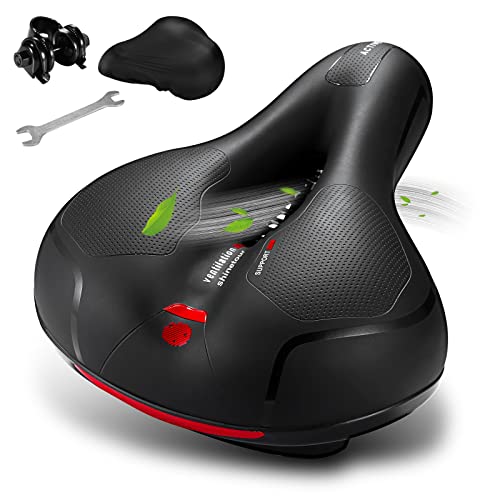
The LCYMD seat is designed around a dual shock absorbing concept, with two shock absorbing balls positioned beneath the saddle to cushion impact from bumps, potholes, and rough terrain. This feature helps dampen vibration over long distances, reducing numbness and fatigue that can occur on road and mixed-terrain rides. The seat measures about 9.7 by 8 by 3.7 inches, offering a wide, accommodating surface that suits many riders. The manufacturer emphasizes a universal design that includes a saddle adapter, mounting wrench, and waterproof cover, making installation straightforward for most bikes.
At the core is thicken widened high-density memory foam that contours to your body while staying supportive. The surface uses a wear-resistant, non-slip leather to keep you sitting securely, even during sweaty sessions. An airflow vent in the middle supports cooling and dries quickly, helping you stay comfortable during hot rides. The design also features slimmer front edges to give your thighs more freedom, reducing rubbing as you pedal. This combination aims to deliver longer, more comfortable rides with minimal adjustments on every trip.
Twomaples Noseless Wide Bike Seat

Twomaples focuses on a noseless, ultra-wide design intended to relieve pressure on sit bones while reducing friction with the inner thighs. The seat is described as extra wide, suitable for Peloton bikes, electric bikes, mountain bikes, and other cardio and stationary setups. The approach minimizes forward projection to reduce thigh rubbing, while maintaining stability on long rides. The base is reinforced for stability and weight distribution, and the cushion features a high-frequency non-slip printing to keep it in place. It can support substantial loads, with a stated max of 580 pounds in real-world testing contexts.
Users will notice the retractable adapter-friendly design and careful contouring to fit round hips. The nose-less configuration creates a broader contact surface, which many riders find alleviates perineal pressure and hot spots during extended sessions. While some cyclists prefer traditional nosed saddles for aero or knee clearance, noseless models like this one emphasize comfort and reduced friction across longer rides, making it a strong option for daily commutes and home workouts alike.
VELMIA Memory Foam Bike Seat

VELMIA’s seat blends memory foam comfort with a functional ventilation strategy. The memory foam layer conforms to your body, helping to reduce pressure points during regular rides or extended sessions. This seat is designed for versatility, compatible with BMX, MTB, road, and hybrid setups, making it a sensible choice for riders who switch between different bikes. The ventilation feature is integrated into the seat’s design to promote airflow and reduce sweat buildup in sensitive areas, which can be a major comfort factor on summer rides.
A notable aspect is its waterproof construction. With welded seams and a 7.3-inch width, the Velmia saddle balances a snug fit with a roomy seating area. While no saddle is entirely waterproof in every scenario, the design aims to resist light rain and sweat exposure, extending the life of the cover and foam. Riders seeking a memory-foam option that also emphasizes climate control and weather resistance may find this seat particularly appealing.
Cloud-9 Cruiser Select Saddle

Cloud-9’s Cruiser Select Saddle emphasizes a memory-foam setup that distributes weight and reduces pressure on sensitive areas. The multi-stage memory foam is designed to provide consistent support while maintaining a soft feel for comfort on longer rides. Durability is also a focus, with an engineered cover that has undergone extensive testing to stand up to daily use and the rigors of road conditions. The seat’s construction, including reinforced rails and robust suspension, aims to absorb vibrations that can cause fatigue over miles of cycling.
This model targets riders who want a balance of cushion and stability, with a focus on long-term durability. The integration of steel rails and elastomer suspension helps to dampen road shocks, so even rough pavement feels less taxing. For cyclists who spend hours in the saddle, Cloud-9 provides a dependable option that blends comfort, build quality, and a forgiving seating surface.
BLUEWIND Noseless Oversized Seat

Bluewind presents a 2025 version of its noseless oversized bike seat, designed to minimize friction and increase comfort on long rides. The cushion size, stated at 13 by 9 by 5 inches, provides ample surface area for a broader contact patch, helping distribute weight more evenly across the hips. The foam is 7 centimeters thick, offering softness without collapse for daily training or recreational use. The surface uses microfiber artificial leather that’s wear-resistant and non-slip, while seamless edging adds durability and a clean look.
The noseless design reduces thigh rubbing and pressure on the tailbone, which many cyclists identify as a primary discomfort point on long trips. An oversized footprint helps stabilize seat placement on a range of bikes, including road bikes and stationary trainers. The fabric and edge construction are designed to withstand frequent exposure to rain and sweat, making this seat a practical choice for riders who train indoors and outdoors in variable conditions.
Buying Guide
When choosing a bike saddle, consider how a seat will impact comfort, performance, and durability across your typical rides. The following considerations balance memory-foam and noseless designs, providing a broad view of what to weigh when shopping.
- Riding style and bike type: Road cyclists may prioritize low-profile designs with good pedal clearance and minimal friction, while Peloton or stationary-bike riders often favor wider, more forgiving seats. Noseless options can reduce thigh rubbing on high-intensity sessions, but some riders prefer a traditional shape for aerodynamics and knee clearance.
- Seat width and length: If you have wider hips or sit bones that feel pressure quickly, a wider saddle can distribute weight more evenly. Narrow seats can feel confining and cause hotspots. Measure your sit bone width to guide width choices and evaluate padding density for your preferred balance of support and softness.
- Cushion material and support: Memory foam cushions conform to your body but may feel too soft for aggressive riders. Denser foam or gel layers provide more support but can be heavier. Consider ventilation features (slots or vents) to reduce heat buildup on long rides.
- Noseless vs. traditional noses: Noseless designs reduce friction and pressure on soft tissues, which is helpful for long sessions. However, some riders report less control or stability at the front of the saddle. If you value knee clearance and thigh freedom, noseless can be ideal; if you need a familiar feel, try traditional shapes.
- Durability and weather resistance: Waterproof seams and wear-resistant covers extend saddle life, especially if you ride in rain or sweat heavily. Look for reinforced edges and sturdy rails to withstand frequent movement and occasional impacts.
- Weight capacity and installation: Check weight limits and ensure the saddle is compatible with your seat-post rails and mounting hardware. Many modern saddles include adapters or mounting tools, which simplify installation and adjustment.
- Maintenance and care: Clean with mild soap and water, avoid harsh solvents, and periodically check rails and fabric for wear. A seat that’s easy to wipe down will stay in good condition longer for year-round riding.
- Budget and warranty: Higher quality cushions often come with longer warranties. Consider your usual riding frequency and length to determine whether a pricier cushion delivers long-term value through reduced discomfort and improved performance.
In summary, memory-foam seats excel at contouring to the rider’s body, delivering comfort over many miles, while noseless or oversized designs emphasize friction reduction and generous contact areas. A balanced choice often combines supportive padding with breathable materials and durable construction. By aligning features with your ride profile, you can maximize comfort, ride efficiency, and enjoyment without sacrificing durability or ease of installation.