Choosing a girl’s bike that supports independent riding starts with the right size, braking system, and learning-friendly geometry. The selections below prioritize models that remove the training wheels or provide a clear path to shoulders-back balance as soon as a rider is ready. From RoyalBaby’s no-training-wheels design to ACEGER’s 20-inch basket and kickstand models, these picks encourage balance and safety. Some listings still offer training wheels in other sizes, but each option here highlights a reliable no-training-wheels path for the target age range. Use the buying guide to compare size, brakes, weight, and accessories to fit your child’s pace and height.
| Product | Brand | Size | No Training Wheels | Key Feature |
|---|---|---|---|---|
| RoyalBaby Freestyle 7 | RoyalBaby | 20 Inch | Yes | Sporty design, sealed bearings, water bottle included |
| ACEGER 20 Inch No Training Wheels With Basket | ACEGER | 20 Inch | Yes | Kickstand, wicker basket, coaster and caliper brakes |
| ACEGER 20 Inch No Training Wheels With Kickstand | ACEGER | 20 Inch | Yes | Kickstand, multiple size options, safety features |
| JOYSTAR 20 Inch With Training Wheels | JOYSTAR | 20 Inch | No | Dual brakes, basket, sturdy frame |
| JOYSTAR 18 Inch With Training Wheels | JOYSTAR | 18 Inch | No | Hi-Ten steel, adjustable saddle, basket |
RoyalBaby Freestyle 7 No-Training-Wheel Bike

- Sporty design with metallic paint and contrasting brake cables to highlight front and rear brakes.
- RoyalBaby patented sealed bearings provide smooth pedaling; jet engine water bottle adds fun to rides.
- Optimized learning geometry designed to work well without training wheels.
- Two-hand brake system with short-pull levers avoids coaster brakes and supports independent braking.
The Freestyle 7 is tailored for kids who are ready to transition away from stabilizers, offering a learning-ready balance feel and responsive braking for confident starts.
ACEGER 20 Inch No Training Wheels With Basket

- Sizes designed for ages 7-13; 20 inch wheel with kickstand and no training wheels.
- Lightweight yet durable frame with air-filled tires to cushion road vibrations.
- Coaster brake and caliper brake provide solid stopping power for growing riders.
- Includes a wicker basket, soft grip handlebars, reflectors, and a bell for safety and fun.
With a basket and protective chain guard, this model blends practical everyday use with a learning-leaning geometry that supports balance as confidence grows.
ACEGER 20 Inch No Training Wheels With Kickstand
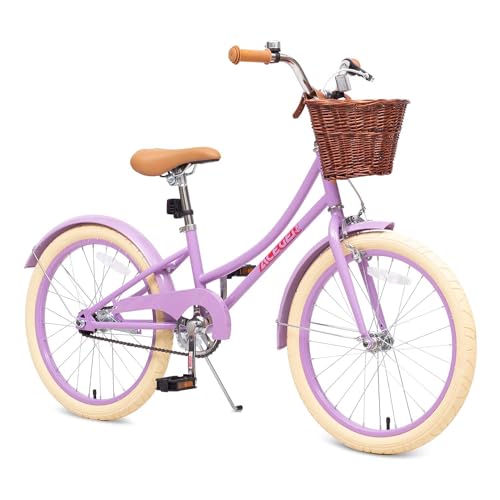
- 20 inch bike size with kickstand and no training wheels for ages around 7-13.
- Sizes cover 14-18 inch options in the same model line, with the 20 inch variant featuring a no-training-wheels setup.
- Sturdy frame and air-filled tires offer a smoother ride on varying surfaces.
- Basket, soft grips, reflectors, and a bell promote safety and a playful style.
Designed to grow with your child, this ACEGER model emphasizes balance-based learning while keeping safeguards like chain guards and reliable brakes in place.
JOYSTAR 20 Inch With Training Wheels
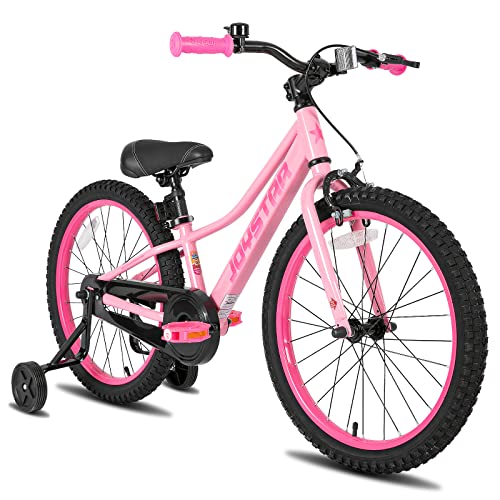
- 20 inch wheel size suitable for ages 6-12; equipped with a front handbrake and rear coaster brake for assisted stopping.
- Sturdy Hi-Ten steel frame with resilient tires suitable for park paths and sidewalks.
- Includes a convenient basket to carry small toys or snacks, promoting independent riding with supervision.
Although this listing includes training wheels, it remains a solid starter option for early balance work, with legible braking control and a durable frame for long-term use.
JOYSTAR 18 Inch With Training Wheels

- 18 inch bike designed for ages 5-9; adjustable saddle and stem height for growth.
- Hi-Ten steel frame with resilient, off-road tires for reliable grip.
- Rear coaster brake and front caliper brake provide straightforward stopping power.
- Basket included; removable training wheels support a gradual balance progression.
As a learning-focused option, this JOYSTAR model emphasizes safety features and adjustable sizing to match your child’s growing height and confidence.
Buying Guide
Key considerations for selecting a no-training-wheels or transition bike include size, braking systems, and weight. The right fit helps a child learn balance with minimal struggle while staying safe.
- Size and inseam: Wheel size typically aligns with age and inseam length. 14-16 inch bikes suit younger children just learning to pedal, 18 inch works for roughly ages 5-8, and 20 inch is common for ages 7-13. Measure inseam and test reach so the child can place both feet flat on the ground when seated and still reach pedals.
- Training wheels vs balance progression: No-training-wheels models demand initial balance from the rider. For some kids, a staged approach with removable training wheels or a convertible bike can smooth the transition.
- Braking system: Handbrakes (caliper) combined with a rear coaster brake offer intuitive stopping and command of speed. Coaster brakes alone can hinder quick control for beginners; look for bikes with handbrake access on both wheels where possible.
- Frame and weight: Lighter frames reduce fatigue and improve maneuverability, but durability matters for safety. Aluminum or steel alloys balance weight and strength; ensure the frame is sturdy enough to withstand bumps on sidewalks and driveways.
- Gearing and drivetrain: Most kids’ bikes use single-speed setups with an enclosed chain guard; a secure chain guard prevents clothing tangling and skin contact during learning.
- Safety features and accessories: Reflectors, bells, soft handlebar grips, and chain guards improve safety. A basket or bag can help kids carry toys, teaching responsibility and independence.
- Adjustability and growth: Seats and stems that adjust height enable the bike to “grow” with the rider, extending the usable life of the bike as the child grows taller.
- Maintenance: Check tires for wear, adjust brakes, and ensure quick-release seat clamps function smoothly. A bike that’s easy to assemble and adjust saves time and ensures consistent safety checks.
- Warranty and support: Look for brands offering warranties on frames and components, plus accessible customer service to address issues during the first years of use.
In summary, for younger riders, 14-16 inch bikes are often ideal as a starting point for balancing, with 18-20 inch options growing with the child. A convertible approach—starting with training wheels and moving toward a no-training-wheels setup—can accommodate a wider range of learning speeds while maintaining safety through proper braking and fit.