Choosing the right 17-degree stem can improve comfort, control, and riding posture on road and gravel bikes. A 17-degree rise nudges the handlebars upward and slightly toward the rider, reducing neck strain and enhancing leverage on climbs and long rides. This guide spotlights five top 17-degree stems that fit standard 31.8mm handlebars and 1-1/8″ steer tubes, offering a mix of alloy and carbon options for road, cyclocross, and mountain bikes. Each model balances weight, durability, and installation ease, helping you find the best match for your bike and riding style.
| Product | Brand | Degree | Length (mm) |
|---|---|---|---|
| BESNIN 17° Stem | BESNIN | 17° | 130 |
| FOMTOR 17° Stem | FOMTOR | 17° | 110 |
| Ritchey WCS C220 17° Stem | Ritchey | 17° | 80 |
| Azarxis 17° Stem | Azarxis | 17° | 80 |
| WAKE 17° Stem | WAKE | 17° | 110 |
BESNIN 17-Degree 130mm Bike Stem
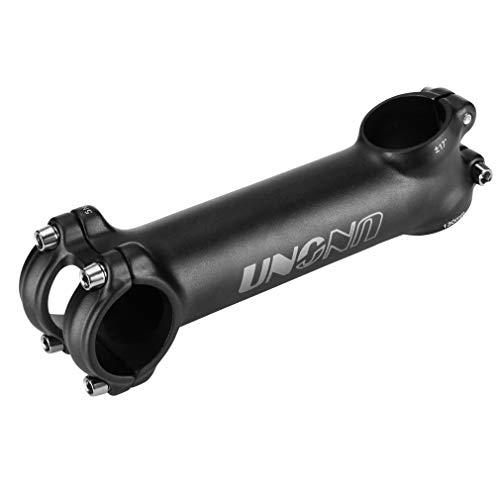
The BESNIN stem provides a 17° rise with a 130mm center-to-center length, designed for 31.8mm handlebars and a 28.6mm steerer. Made from aluminum alloy, it weighs approximately 150g, delivering a light yet sturdy interface. The product emphasizes a comfortable riding position and reliable outdoor performance, with a focus on preventing deformation and corrosion. It suits riders seeking a balanced upgrade for road or cross-country use while maintaining straightforward installation and durable construction.
FOMTOR 17-Degree 110mm Bike Stem

The FOMTOR 17° stem features a 31.8mm handlebar clamp and a 28.6mm steerer compatibility, with a 110mm length. Its design aims to raise the handlebar height to improve rider comfort and upright positioning. Weight is around 150g, offering a good balance of stiffness and lightness. The stem is suitable for mountain, road, and hybrid bikes, providing a straightforward upgrade path for riders seeking a modest but meaningful ergonomic improvement.
Ritchey WCS C220 17° Stem

The Ritchey WCS C220 stem offers a 17° rise with a compact 80mm length and a robust clamp design. Quick to install thanks to a forward-facing clamp interface and full 220-degree wrap on the handlebar, it provides a secure fit and even load distribution. This stem emphasizes compatibility with lightweight handlebars while preserving stiffness and control, making it a favorable choice for riders who value precise steering with a clean aesthetic on road, gravel, or endurance setups.
Azarxis 17° 80mm Stem

The Azarxis stem supports 31.8mm handlebars and 28.6mm steerer tubes, offering lengths of 70/80/90/110mm with a fixed 17° angle. Constructed from high-strength 6061 T6 aluminum, it balances light weight with durability. A four-bolt bar clamp secures the handlebar, delivering stable handling and straightforward installation for road, mountain, or commuter bikes seeking a reliable upgrade at a practical price point.
WAKE 17-Degree 110mm MTB Stem

The Wake stem uses a 31.8mm handlebar clamp and a 28.6mm steerer interface, with a length of 110mm and a 17° rise. Weighing about 150g, it features a hollow design intended to minimize weight while maintaining stiffness. Its four-bolt clamp ensures secure bar positioning, making it suitable for cross-country, trail, and endurance builds where controlled steering and upright positioning are desired.
Buying Guide
- Compatibility: Most 17-degree stems in this category fit standard 31.8mm handlebars and 1-1/8″ steer tubes (28.6mm). Always verify your bike’s fork shoulder diameter and clamp style before purchasing.
- Degree and geometry: A 17° stem raises and tilts the bar for a more upright ride. Consider your current cockpit height, reach, and neck/back comfort when deciding on 17° versus other increments.
- Material choice: Aluminum stems are common, offering good stiffness-to-weight at a lower price. Carbon fiber stems can provide weight savings and a higher-end feel but may have different impact resistance and cost considerations.
- Length selection: Longer stems increase reach and can raise cockpit height modestly, while shorter stems shorten reach and improve responsiveness. Match stem length to your riding style and frame geometry.
- Clamp design: Four-bolt clamps typically offer stronger, more even clamping than two-bolt designs, reducing bar slip on rough terrain. Check compatibility with your bar’s clamp area.
- Application: Road and gravel bikes benefit from a modest rise to reduce fatigue on long rides. Mountain bikes may prioritize durability and shock absorption in some stems, so consider terrain when choosing.
- Installation: Follow manufacturer torque specs and alignment guidelines. Improper installation can lead to steering play or handlebar misalignment.
- Brand reliability and warranty: Reputable brands often provide longer warranties and clearer fit guidance, which can reduce risk when swapping stems.
- Budget considerations: Carbon stems tend to be pricier but lighter; aluminum stems are typically more affordable and durable for everyday riding.