Finding the right mountain bike handlebars can significantly improve control, comfort, and confidence on varied terrain. This guide spotlights five top options that cover bar ends and full handlebars across different materials and sizes. Each pick balances durability, ergonomic design, and compatibility with common MTB standards, helping riders tailor their setup to climbing, descending, or long-distance riding. Read on to compare features, installation notes, and what to consider before you buy.
| Product | Brand | Main Benefit |
|---|---|---|
| FIFTY-FIFTY Bar Ends For MTB | FIFTY-FIFTY | Adds extra hand positions with vibration damping; lightweight aluminum |
| JETCAT 31.8 Mountain Bike Handlebars | JETCAT | Ergonomic upright position; durable, precise markings for easy alignment |
| Thinvik Bar Ends For MTB | Thinvik | Long 15 cm ends; versatile installation; corrosion-resistant alloy |
| BUCKLOS 25.4 High Riser Handlebars | BUCKLOS | Two heights (120/160 mm); strong and ergonomic for all-mountain riding |
| Comfort Carbon 31.8 MTB Handlebars | Comfort | Light carbon fiber with upright-position comfort; carbon durability |
FIFTY-FIFTY Bar Ends For MTB

The FIFTY-FIFTY Bar Ends are constructed from 6061 T6 aluminum alloy, delivering a combination of light weight and high strength for demanding trails. Their ergonomic bend and sand-finish profile provide additional hand positions, helping to absorb vibrations and reduce fatigue on long rides. Designed for standard MTB handlebars with a 22.2 mm outer diameter, they also fit common 22 mm road bars, making them versatile for mixed setups. Installation is straightforward, and the ends stay secure during aggressive cornering and rough sections, enhancing control without adding unnecessary bulk.
JETCAT 31.8mm Mountain Bike Handlebars

JETCAT handlebars are built around a 31.8 mm clamp, prioritizing an upright riding position that reduces strain on the back, shoulders, and wrists. This makes them well-suited for long rides, e-bikes, and rugged MTB use where comfort and control matter most. The build emphasizes durability while remaining lightweight, ensuring reliable performance across varied terrain. Clear center and end markings facilitate precise alignment during installation, helping riders achieve optimal positioning quickly whether upgrading a mountain bike or an e-bike setup.
Thinvik Bar Ends For MTB
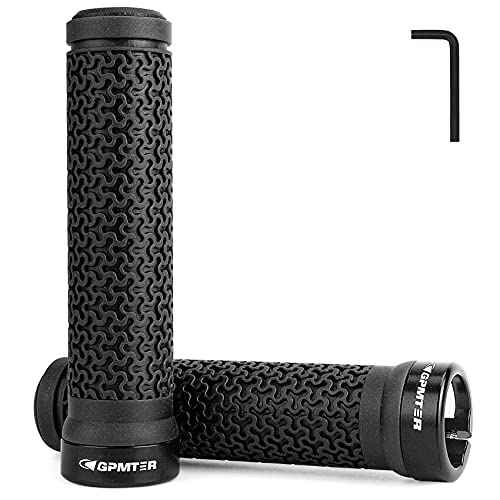
Thinvik Bar Ends are 15 cm long and made from aluminum alloy with an integrated welding design, delivering a lightweight and corrosion-resistant upgrade for 22.2 mm (7/8″) handlebars. They offer flexible installation options to suit different mounting preferences and riding styles. The design prioritizes durable construction and ease of use, with a compact profile that helps maintain grip feel during aggressive climbs and technical descents. Note that these ends are not recommended for spin bikes, road bikes, or unusual equipment, ensuring compatibility with standard mountain bike setups.
BUCKLOS 25.4 High Riser Handlebars

BUCKLOS builds a versatile 25.4 mm clamp handlebar designed for mountain bikes, folding bikes, and e-bikes. The 6061 aluminum alloy construction offers durability with anti-slip properties, enhanced by hard anodizing and CNC precision bending. The bar width is a generous 580 mm, and the two height options (120 mm and 160 mm) let riders tailor their stance for climbing or steep descents. The ergonomic shape aims to balance control, comfort, and leverage, supporting a confident ride across technical sections and long-distance pursuits alike.
Comfort Carbon 31.8 MTB Handlebars

These handlebars use high-strength carbon fiber (T700) with an anodized finish, offering a lighter weight than aluminum while maintaining stiffness and durability. The 31.8 mm diameter is compatible with a wide range of MTB frames, and the 3K glossy carbon surface provides a premium look. The model supports an upright riding posture for reduced strain on the back and neck, while the flat/back options (680–760 mm range) enable a customized grip and control for both aggressive and casual riding. Installation is straightforward thanks to clear dimensional specs and compatible bar end diameter (22.2 mm).
Buying Guide
Key Purchase Considerations
- Handlebar diameter and compatibility: Common MTB diameters include 22.2 mm, 25.4 mm, and 31.8 mm. Ensure the product clamp size matches your handlebars, and verify compatibility with your stem and grips.
- Material and weight: Aluminum (e.g., 6061 alloy) offers durability at a lower cost and weight, while carbon fiber reduces weight further but may come at a higher price. Consider riding style and budget when choosing.
- Type and purpose: Bar ends extend grip options and leverage on climbs, while full handlebars influence overall control and rider posture. Decide whether you want a vertical upgrade (upright position) or a broader ergonomic handling profile.
- Length and width: Wider bars improve stability on rough terrain but can hinder climbing in tight trails. Typical widths range from around 580 mm to 680 mm or more. Your torso width and riding style should guide width choice.
- Rise and backsweep/upsweep: A higher rise and specific backsweep/upsweep angles affect posture and shoulder comfort. For upright riders, higher rises and deliberate ergonomics can reduce strain during long sessions.
- Installation and alignment: Look for clear alignment marks or lock-on systems that simplify installation. Precise center and end markings help achieve the desired position quickly and repeatable setup after disassembly.
- Durability and maintenance: Carbon components require careful handling but offer weight savings; aluminum tends to resist impact while resisting corrosion with proper care. Consider what you’re prepared to maintain and replace.
- Intended terrain and riding style: Endurance rides, trail riding, and downhill sessions each benefit from different ergonomics and stiffness. Choose a design that aligns with terrain and handling preferences.
Comparing The Five Picks At A Glance
- FIFTY-FIFTY Bar Ends: Simple, rugged bar ends that add grip options and dampen vibrations on standard 22.2 mm bars.
- JETCAT 31.8mm Handlebars: Full handlebars prioritizing upright comfort with precise alignment markings for easy setup.
- Thinvik Bar Ends: Long, corrosion-resistant ends with flexible installation options for 22.2 mm bars; note installation method versatility.
- BUCKLOS 25.4 High Riser: A versatile riser bar with two height options, designed for stability and a comfortable stance on diverse trails.
- Comfort Carbon 31.8: Carbon fiber option offering lightness and stiffness with an emphasis on an ergonomic upright posture.
Usage Scenarios And Recommendations
New riders seeking improved control on rough trails may prefer a 31.8 mm full handlebar like the JETCAT for a stable, upright position. If you rarely ride long sections, bar ends from FIFTY-FIFTY or Thinvik can be a cost-effective, space-saving upgrade that adds grip variety without changing the core handlebar feel. For riders chasing a lighter, high-performance setup, carbon options such as Comfort Carbon 31.8 provide weight savings and a modern aesthetic, while maintaining strong stiffness. For riders who want to adjust ride height and stance, BUCKLOS high riser bars offer practical height options and robust construction for everyday MTB use.