Triathlon cycling demands compact, dependable hydration solutions that stay out of the way during transitions and aero speeds. The best triathlon bike water systems balance aerodynamics, easy refills, and secure bottle retention across front-frame and rear-mount configurations. This guide highlights five top options that optimize drag, accessibility, and reliability. Each section provides a concise product view, key benefits, and practical considerations for installation on common triathlon bikes.
| Product | Brand | Type | Key Benefit |
|---|---|---|---|
| Speedfil F1 Hands-Free Frame Hydration System | Speedfil | Front frame-mounted | Aerodynamic frame placement with easy on-the-fly refills |
| Speedfil F2 Hands-Free Hydration System | Speedfil | Down tube/front frame system | Versatile cage compatibility with quick refills |
| VeloChampion Dual Bottle Cage Holder | VeloChampion | Rear saddle area dual cages | Two bottles with adjustable height and angle |
| XLAB Delta 425 Rear Hydration System | XLAB | Rear bottle cage system | High-grip carbon cage with adjustable positioning |
| XLAB Turbo Wing Gorilla Dual Rear System | XLAB | Rear dual bottles | All-in-one dual rear hydration with extensive adjustability |
Speedfil F1 Hands-Free Frame Hydration System
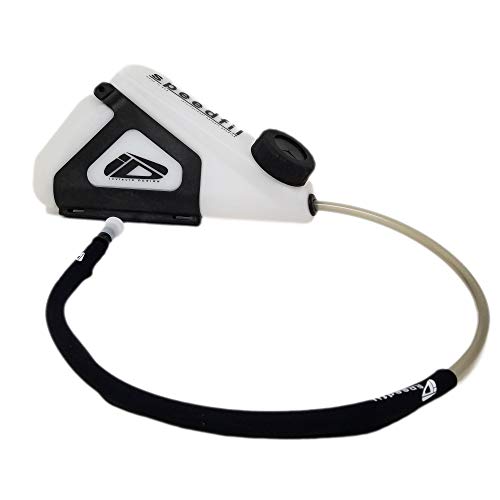
The Speedfil F1 is designed for triathletes who want a clean, front-frame hydration setup with minimal drag. It places the bottle system close to the center of gravity, reducing handling shifts at speed and during sharp cornering. The design is explicitly aimed at aerodynamics, with a refill port that allows topping off without needing a break in cadence. The hands-free operation means you drink from a bite valve without reaching for a cage, preserving tempo during long course segments.
Installation concentrates on the frame area to keep airflow smooth around the down tube and front triangle. The system is compatible with standard cages and existing frame hardware, and the low-profile profile helps maintain consistent steering feel. Cleaning and refilling are straightforward during workouts, with attention to securing tubing and bite valve for reliable operation in wet and dry conditions.
Speedfil F2 Hands-Free Hydration System
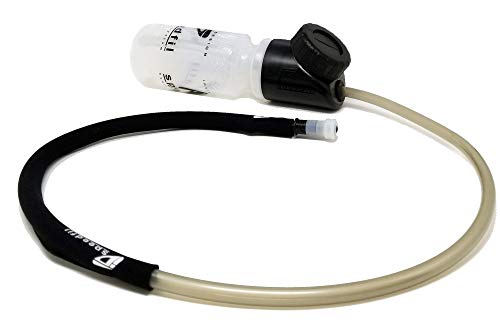
The Speedfil F2 emphasizes versatility and compatibility. It works with any standard cage mounted on the down tube and supports bottles with Specialized thread compatibility. The bite valve and tubing are designed to deliver fluid on demand without drawing air, which helps keep your sip consistent across hard efforts. A dual splash-resistant opening enables fast refills on the fly with minimal splash, keeping you hydrated without slowing you down during intervals or long rides.
Crafted for reliable performance, the F2 maintains a hands-free drinking experience while allowing straightforward refills. Its setup focuses on minimizing air intake and ensuring that the liquid flow remains steady even when you’re riding over rough pavement or tackling long tempos. The system integrates with common triathlon frames and cages, making it a practical upgrade for riders seeking dependable front hydration with flexible bottle options.
VeloChampion Dual Bottle Cage Holder

The VeloChampion dual bottle cage system provides extended hydration capacity on the saddle or behind it, with two flexible cages that fit most bottle sizes up to 750 ml. The design emphasizes aerodynamics and accessibility, with adjustable bottle height to suit rider preference. A choice between Standard and Premium configurations lets you tailor weight and features, including height adjustments and CO2 canister storage in the Premium option. The dual-cage setup supports quick bottle access while maintaining a slim profile behind the rider.
Installers can adjust the arms to fine-tune bottle positioning for your comfort and reach. The system is especially appealing for riders who want to carry extra fluids on longer events or training days without sacrificing aerodynamics. Its rear placement helps keep front-end handling clean, though bottle access requires some practiced positioning during rough sections or transitions.
XLAB Delta 425 Single Bottle Rear Hydration System

The Delta 425 is engineered for rear hydration with a high-grip carbon cage and stainless steel mount to secure the bottle under the saddle area. Its adjustable rear carrier features two chassis mounting positions, 15 degrees of cage rotational adjustment, and 15 mm of cage vertical adjustment, enabling precise alignment with your torso and saddle geometry. Compatibility covers a broad range of saddles, including several transition-hook models, making it a flexible option for riders seeking rear impact protection and easy access from a seated position.
The Delta 425 emphasizes secure bottle retention and predictable access, reducing bottle sway and rattling during efforts and descents. The combination of carbon cage and durable hardware provides a lightweight yet robust solution for riders who want a straightforward rear hydration setup that stays in place across various terrains.
XLAB Turbo Wing Gorilla Dual Rear Hydration System

The Turbo Wing Gorilla offers an All-In-One dual rear hydration solution. It ships with the Turbo Wing chassis and two gloss black Gorilla cages featuring strong bottle grip. This system is highly adjustable, designed to fit a wide range of saddles with three chassis mounting positions, five bottle cage rotational positions, and 10 mm of bottle vertical adjustment. It is compatible with most chromoly, stainless steel, and titanium round-railed saddles, with a carbon rail saddle adaptor available for added versatility. The setup supports two bottles behind the rider, optimizing hydration without occupying frame space.
Practical considerations include ensuring adequate clearance with frame geometry and saddle rails, especially on compact frame designs. The Gorilla system provides robust bottle security and multiple adjustment options to dial in the most aerodynamically favorable behind-the-rider placement. Riders with long-distance race goals or frequent transitions may particularly benefit from the flexibility it offers in bottle positioning and access angles.
Buying Guide
Choosing the right triathlon bike water system involves balancing placement, capacity, and ease of use against your bike’s geometry and race demands. Consider these dimensions when evaluating front-frame versus rear hydration options:
- Placement and aerodynamics: Front-frame systems like the F1 and F2 minimize rear drag and offer quick sip access, but rear systems keep weight off the front triangle and can save space on aero bars. Your course profile and transition pace influence the best choice.
- Refill efficiency: Look for on-the-fly refills and splash-resistant openings. F2’s dual-splash openings and the F1’s refill port directly affect how quickly you can replenish during long rides or time trials.
- Bottle capacity and access: Dual rear systems (Turbo Wing Gorilla) maximize fluids but require more saddle clearance and careful mounting. Dual cages behind the rider enable longer hydration without front-end interference.
- Compatibility: Check frame geometry, saddle rails, and down-tube cage compatibility. Some systems require specific cage types or adaptors; consider your existing cages and mounts.
- Installation and maintenance: Front-frame setups may demand more precise alignment with aero bars and head tubes, while rear systems must be secured to prevent sway during aggressive riding. Pay attention to valve seals and hose connections to avoid leaks.
- Weight and balance: Additional hydration hardware adds weight and can affect handling, especially on climbing sections or technical courses. Account for the added load when tuning tire pressure and bike setup.
- Durability and materials: Carbon cages provide lightness and stiffness, while stainless or reinforced components boost long-term durability in heat and vibration. Consider climate exposure in your training region.
- Pricing and value: While front-frame units tend to be lighter and sleeker, rear systems offer higher capacity and adjustability. Align the purchase with your typical mileage, race length, and maintenance preferences.
In practical terms, riders prioritizing aerodynamics and fast refills may favor the Speedfil F1 or F2 front-frame options, especially for time-trial–heavy routes. Those seeking maximum hydration capacity with flexible mounting may lean toward the XLAB Turbo Wing Gorilla or Delta 425’s rear-mount approach. For riders who want dual behind-the-rider bottles with straightforward adjustment and broad saddle compatibility, the VeloChampion dual cage system provides a highly adaptable alternative. Each choice can be tuned to your bike’s geometry and race strategy with careful mounting and routine cleaning.