Choosing training wheels for a 24-inch bike requires balancing stability, ease of installation, and compatibility with the bike’s frame. The right set can help riders gain confidence, improve balance, and transition smoothly to independent riding. This guide highlights five strong options that fit most 24-inch to 29-inch bicycles and discusses alternative gear designed to aid beginners on similar-sized wheels. A concise buying guide follows to help you compare features, safety considerations, and long-term value.
| Product | Brand | Size Range | Key Benefit |
|---|---|---|---|
| CyclingDeal Adjustable Adult Training Wheels | CyclingDeal | 24″-29″ | Heavy-duty steel, high weight capacity, broad compatibility |
| HUASION Adjustable Bicycle Training Wheels | HUASION | 24″-28″ | Wear-resistant rubber wheels, easy installation, solid brackets |
| Adult Heavy-Duty Adjustable Training Wheels | FXXX | 24″-29″ | Reinforced frame, designed for stable learning on larger bikes |
| Oceanside Bicycle Training Wheels | oceanside | 18″-24″ | Smooth, foldable design; convenient storage |
| Ringmaster 24 Inch Wheel Unicycle | Ringmaster | 24″ wheel | Adjustable height for varied riders; balance-focused option |
Each option offers unique benefits. The two most versatile choices for typical 24″ bikes are the CylingDeal and HUASION sets, both offering adjustable brackets and sturdy wheels engineered for adult use. The Oceanside set broadens the spectrum by including a foldable design for compact storage. The Ringmaster provides an alternative balance training approach for riders seeking to build core balance skills beyond traditional stabilizers.
CyclingDeal 24-29 Inch Training Wheels

These training wheels feature fully adjustable brackets that fit most frames and shapes, accommodating 24″ to 29″ bikes, including 700c configurations. This broad compatibility makes them a practical option for a range of standard and nonstandard frames. The design emphasizes stability, with a slightly wider spacing between the wheels to enhance balance during early riding stages. The set is described as heavy-duty steel, designed to handle considerable rider weight and regular use. A video instruction resource is noted to help with installation.
Compatibility notes warn against use on bikes with dual suspension, chain guards, or nonstandard rear stays beyond specified widths. The maximum rider weight is stated as up to 265 pounds, which helps ensure confidence for adult learners. Installation tends to be straightforward with brackets and hardware included, though attention to the instruction video is recommended for best results. The overall emphasis is on creating a stable, durable learning setup for larger wheels and heavier riders.
HUASION Adjustable 24″-28″ Training Wheels

HUASION’s training wheels are built to prioritize wear resistance, stability, and safe learning. The wheels use thickened, carbon steel components with 1.97-inch rubber wheels designed for long life and consistent traction. The product emphasizes anti-slip and anti-scald properties of the wheel surfaces, contributing to safer starts and smoother deceleration on varied terrain. The brackets are designed for straightforward installation on bikes within the 24″ to 28″ range, with specific guidance on stud length and axle compatibility to ensure secure mounting.
Included accessories and instructions are noted, along with online tutorials for installation. The listing highlights compatibility restrictions, particularly for quick-release axles and certain frame configurations. Practical use recommendations emphasize non-quick-release models and threaded axles for a secure fit. This option suits riders seeking a blend of durability, predictable handling, and a robust mounting system that supports growth from beginners to early intermediate riders.
Adult Heavy-Duty Adjustable Training Wheels
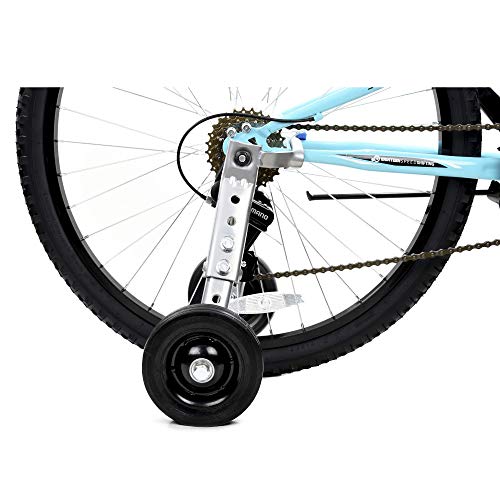
This 24-29 inch training wheel model is marketed as heavy-duty and adjustable, designed to provide stable learning experiences on larger bikes. The product’s emphasis on reinforced structure suggests improved resistance to flex and wobble during early rides. While the exact feature list for this item is concise, the intent is clear: a robust stabilizer kit capable of supporting adult or taller riders as they develop balance and confidence on a standard bicycle frame.
Mounting compatibility and precise installation steps may vary by bike model. Prospective buyers should verify frame compatibility, wheel distance, and mounting hardware before purchase. This option stands out for riders seeking a straightforward, solid stabilizer system built for longevity on mid-to-large wheel sizes, with a goal of reducing tip-over risk during the critical learning phase.
Oceanside 18-24 Inch Training Wheels

Oceanside’s set supports 18 to 24-inch bikes, with a clear inclusion of 24-inch compatibility. The design focuses on a smooth and stable ride, assisting beginners as they learn to balance and pedal with confidence. A foldable design is highlighted, allowing the wheels to be tucked away when not in use, which is convenient for storage and transport. The wheels combine steel and plastic components to balance weight, durability, and cost, making them a practical option for families with multiple children or a student rider who needs reliable stability on a 24″ frame.
The product description emphasizes safety and confidence-building as riders gain balance. It notes that the wheels promote a gradual transition to riding without assistance, which can be especially useful for younger learners or first-time adult learners who prefer a symmetric, stable learning platform. For riders aiming for a lightweight, compact solution that still delivers dependable support, Oceanside offers a versatile option.
Ringmaster 24 Inch Wheel Unicycle

Ringmaster’s 24-inch wheel unicycle offers a different approach to learning balance by focusing on single-wheel stability and height adjustability. While not a traditional pair of training wheels, this option provides an adjustable height range to accommodate riders of various statures. The build emphasizes strong materials, including plastic and metal components designed to withstand regular use. Riders and parents considering balance-focused practice may find this device useful as a supplemental training aid or as a stepping stone before returning to two-wheel stabilizers.
Prospective buyers should note that this is not a drop-in substitute for two-wheel stabilizers. It’s best suited for balance training and fitness routines rather than as a direct replacement for standard training wheels on a 24″ bike. For riders seeking incremental progress toward independent riding, this unicycle can complement a broader learning plan that includes conventional stabilizers and proper supervision.
Buying Guide
Choosing the right training wheels or balance aid for a 24-inch bicycle involves several key considerations. This guide compares common options, explains compatibility concerns, and outlines safety priorities to help you make an informed choice.
Compatibility and Frame Fit
Most traditional training wheels for 24″ to 29″ bikes rely on adjustable brackets that mount to the rear dropouts or axle area. Check your bike’s frame type and rear wheel spacing to ensure a secure fit. Bikes with nonstandard chain guards, dual suspension, or unusually wide rear stay spacing may not accommodate certain stabilizer designs. If in doubt, refer to the installation video or contact the seller for compatibility guidance before purchasing.
Weight Capacity and Stability
Capacity should align with the rider’s weight to avoid overstressing brackets or wheels. Heavier riders benefit from heavy-duty steel constructions and robust brackets, as seen in some 24″-29″ kits. A wider wheel spacing between stabilizers generally offers greater lateral stability, reducing tipping risk during early attempts at balance and pedaling. For adults or taller riders, opt for models explicitly rated to support higher weights and reinforced frames.
Materials and Durability
Wheels with rubber tires and carbon steel brackets typically offer a durable, long-lasting setup. Wear resistance, slip resistance, and corrosion resistance contribute to consistent performance over time. If your riding surface includes rough pavement or gravel, consider wheels with reinforced spokes and sturdy mounting hardware to minimize loosening during use.
Installation and Adjustability
Ease of installation varies by model. Look for products that include clear instructions, hardware, and video tutorials. Adjustable brackets that accommodate a range of frames are advantageous for households with multiple bikes or growing riders. Some options also offer foldable designs for convenient storage when training wheels are not needed.
Safety Features and Practical Use
Two-wheel stabilizers are designed to reduce the risk of falls during the learning period, while some alternatives like balance-focused unicycles emphasize proprioception and balance. When teaching new riders, pair stabilizers with supervision, protective gear, and gradual progression from assisted to independent riding. Verify the mounting method, wheel alignment, and secure fasteners before each ride to maintain reliable performance.
Price, Warranty, and Support
Budget considerations often reflect material quality and weight rating. Higher-quality, heavier-duty sets may cost more but offer longer lifespans. Check warranty coverage and the availability of replacement parts, such as brackets and wheels. A good support channel for installation questions can significantly reduce setup time and improve rider confidence.
In summary, for a typical 24″ bike, prioritizing compatibility with your frame, a solid weight rating, easy installation, and stable wheel spacing yields the best learning experience. The recommended products in this guide span traditional stabilizers and a balance-training alternative, giving you options depending on your rider’s age, skill level, and trajectory toward independent cycling. Always supervise early sessions and ensure protective gear is used during learning phases.