Choosing a cadence sensor can unlock precise pacing and efficiency on any cardio bike setup. A cadence sensor measures how many revolutions per minute you complete, helping you optimize pedal tempo for endurance, speed, and form. The options below cover Bluetooth and ANT+ compatibility, magnetless designs, simple mounting, and reliable battery life for spin bikes, home trainers, and traditional stationary bikes. Each pick is evaluated for accuracy, ease of use, and ecosystem compatibility so you can compare without guesswork.
| Product | Brand | Key Use | Connectivity |
|---|---|---|---|
| Wahoo RPM Cadence Sensor | Wahoo Fitness | Cadence, speed tracking for training apps | ANT+ / Bluetooth |
| Garmin Cadence Sensor 2 | Garmin | Cadence data with bike computers | ANT+ / Bluetooth LE |
| Sunny Health & Fitness CB110S | Sunny Health & Fitness | Cadence and speed with app integration | Bluetooth |
| COOSPO Cadence & Speed Sensor | COOSPO | Dual cadence and speed data | Bluetooth / ANT+ |
| iGPSPORT CAD70 Cadence Sensor | iGPSPORT | Cadence data for training apps | Bluetooth / ANT+ |
Wahoo RPM Cadence Sensor
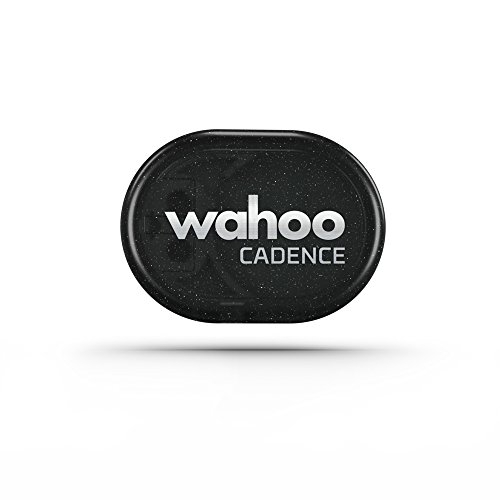
The Wahoo RPM Cadence Sensor provides real-time cadence and speed data via Bluetooth and ANT+ to popular training apps and bike computers. It is designed for outdoor bikes, spin classes, and stationary trainers alike, enabling cross-app training with platforms such as Wahoo SYSTM, RGT, Zwift, and Peloton’s iOS app. The dual-band technology ensures a stable connection to multiple devices at once, making it easy to switch between training environments without reconfiguring sensors.
Easy installation and broad compatibility make this sensor a strong choice for riders who value a straightforward setup and reliable data. Its cadence metric helps you fine-tune pedal tempo for extended rides and improved efficiency, while speed readings complement distance tracking during intervals. If you already work within the Wahoo ecosystem or use multiple training apps, this sensor minimizes compatibility headaches and keeps your cadence data centralized.
Magene S3+ Cadence And Speed Sensor
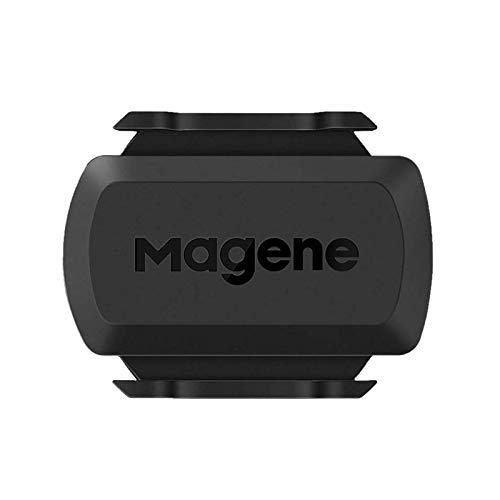
The Magene S3+ provides speed and cadence sensing in a compact unit designed for both indoor and outdoor cycling. Notably, it operates in single-mode per sensor—so you’ll typically need separate sensors for speed and cadence. It supports Bluetooth and ANT+ but with caveats: a Bluetooth connection generally binds to one app or device at a time, whereas ANT+ can link with multiple devices concurrently. This arrangement suits riders who prefer selecting dedicated devices for data collection or who want to minimize wireless interference during single-application workouts.
Battery and mode considerations are important with Magene. Before use, remove the insulating sheet from the pre-installed battery and reinsert as needed. If you want to test both speed and cadence, you’ll plan for two sensors or alternate modes. For athletes using a mix of platforms (for example a phone app during one ride and a bike computer during another), Magene’s flexibility can be advantageous but requires attention to mode management and app compatibility.
Garmin Cadence Sensor 2

Garmin’s Cadence Sensor 2 attaches securely to any crank arm and measures pedal strokes per minute with high reliability. It self-calibrates when paired with Garmin Edge cycling computers or compatible devices, offering live cadence and data that syncs with Garmin Connect and other training apps via ANT+ and Bluetooth LE. The sensor’s design emphasizes a snug fit on a range of crank sizes, helping you maintain consistent data collection across indoor and outdoor rides.
Pairing with Garmin’s broader ecosystem enables seamless transfers of cadence data into workouts, training plans, and community dashboards. The bundle option that combines the Cadence Sensor 2 with Garmin’s Speed Sensor 2 provides synchronized speed and cadence data, giving you a complete picture of your performance without requiring third-party hardware. For users who rely on Garmin devices or want robust cross-device data sharing, this sensor is a natural fit.
Sunny Health & Fitness CB110S Cadence Sensor

The Sunny CB110S combines cadence and speed sensing with Bluetooth connectivity and integration with the SunnyFit app. The magnet-less design eliminates alignment headaches, delivering a lighter, more compact sensor with longer battery life. Sunny’s app ecosystem provides curated workout videos and community features, letting you monitor cadence and RPM alongside calories burned and exercise duration.
For riders who want a turnkey solution with a strong emphasis on app-driven training, CB110S offers straightforward setup and ongoing motivation via the SunnyFit platform. The magnet-less approach makes installation quick and maintenance minimal, while Bluetooth ensures compatibility with most smartphones and tablets. Those who enjoy guided workouts and a large library of training content will find value in pairing this sensor with Sunny’s fitness experience.
COOSPO Cadence & Speed Sensor
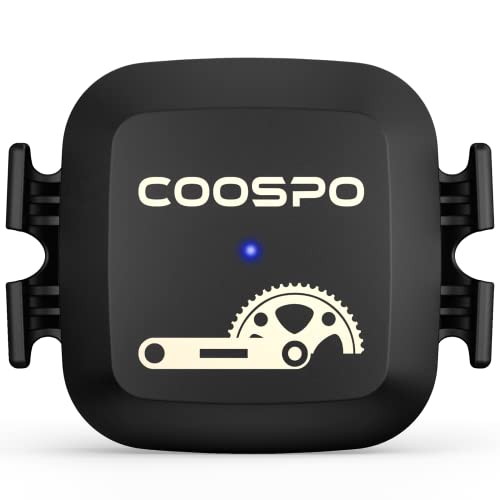
COOSPO offers a combined cadence and speed sensor package that supports both Bluetooth and ANT+. The two-sensor design allows you to monitor cadence and speed data concurrently, or you can use one sensor at a time depending on your setup. When using Bluetooth, an important caveat is that the sensor typically connects to a single app or device at once; with ANT+ you can broadcast to multiple devices, which is helpful for riders who want to share data with a trainer or multiple displays.
Configuring COOSPO’s sensors requires pairing within the training app of choice. The manufacturer notes that you should search for sensors within the app rather than attempting to pair through the phone’s native Bluetooth settings. This approach tends to yield more stable connections and reduces the chance of dropped data during intense intervals.
iGPSPORT CAD70 Cadence Sensor

The iGPSPORT CAD70 Cadence Sensor uses Bluetooth 5.0 and ANT+ transmission to deliver precise cadence data across a wide range of bike computers and spin bikes. Its versatility makes it a practical choice for riders who switch between devices or training apps. The sensor is designed for dependable performance, with an emphasis on compatibility and straightforward setup that suits both beginners and seasoned data enthusiasts.
With long battery life and straightforward replacement, CAD70 is well-suited for regular training schedules. The device’s compatibility with a broad array of bike computers and software platforms supports a data-centric training approach, whether you ride indoors on a trainer or outdoors with a cadence-focused plan. If you value flexible pairing options and broad device support, CAD70 offers a strong balance of precision and convenience.
Buying Guide
When choosing a cadence sensor for a stationary bike or trainer, consider how you plan to train, what devices you already own, and how you prefer to view your data. Here are key purchase considerations from multiple perspectives:
- Connectivity: If you use multiple apps or devices, look for dual-band sensors that support ANT+ and Bluetooth LE. ANT+ tends to handle multiple displays more reliably, while Bluetooth is often simpler for smartphones and tablets.
- Compatibility: Confirm that the sensor works with your bike computer, trainer, or smartwatch ecosystem. Garmin, Wahoo, and COOSPO offer broad app and device compatibility, but cross-brand data sharing can vary by platform.
- Mode and mounting: Some sensors operate in single-mode (speed or cadence) per device; others provide both data streams in one package. Magnetic vs magnetless designs affect mounting ease and maintenance. For spin bikes or trainers, magnetless options can be simpler to install and maintain.
- Data depth: Decide which metrics you need. Cadence alone helps pacing, while speed, distance, and even live cadence can contribute to interval training, zone focus, and form analysis.
- Battery life and replacement: Longer battery life reduces downtime. Check whether the battery is user-replaceable and how easy it is to swap when needed.
- App ecosystem: Some sensors pair best with their brand apps (such as SunnyFit or Garmin Connect), while others stream data to third-party platforms like Zwift, Peloton, or RGT. A seamless data pipeline improves training consistency.
- Ease of setup: Sensors with clear installation instructions and quick calibration save time, especially if you switch between bikes or stores multiple sensors for different setups.
- Budget and value: Magnetless designs and premium ecosystems may carry higher upfront costs, but they can provide better reliability or integration with existing gear. Balance cost against features and future-proofing.
- Use case: Indoor cycling classes, home workouts, and outdoor rides each have unique demands. If you rely on a trainer for structured workouts, choose sensors that integrate smoothly with your preferred app and display data in a meaningful way.
Overall, a cadence sensor that offers robust connectivity, reliable data, and straightforward setup will serve a wide range of riders—from casual enthusiasts to data-driven athletes. For those who already operate within a specific brand ecosystem, selecting a sensor from that ecosystem can maximize compatibility and make long-term tracking easier. For riders exploring multiple apps, choosing a sensor with strong ANT+ and Bluetooth support helps ensure you can collect cadence data across different devices without compatibility headaches.