For serious indoor cyclists, pedal-based power meters turn workouts into precise data-driven sessions. This guide highlights five top options that pair well with spin bikes and clipless pedal systems, helping you quantify effort, track progress, and optimize training. Each pick delivers real-time power and cadence data, plus robust compatibility with common cleat systems. Whether you’re chasing race-day improvements or steady at-home gains, these meters provide the metrics you need to train smarter and faster.
| Product | Brand | Power Meter Type | Key Strength |
|---|---|---|---|
| Rally RS200 Dual-Sensing Pedals | Garmin | Dual-Sensing Pedals | Left/Right balance and seamless Garmin integration |
| P715 Dual-Sensing Pedals | Magene | Dual-Sensing Pedals | ±1% accuracy with long battery life |
| KEO Blade Power Dual | LOOK | Dual-Sensor Pedals | High-precision data on a lightweight road platform |
| KEO Blade Power Single 12Nm | LOOK | Single-Sensor Pedal | Lightweight with strong training analytics |
| Road Pedal SPD SL (Litark) | Litark | Power Meter Pedals (SPD SL/Look Keo capable) | Cross-compatibility with multiple clips and platforms |
Rally RS200 Dual-Sensing Power Meter Pedals

The Garmin Rally RS200 Dual-Sensing Power Meter Pedals deliver comprehensive, real-time performance data with dual-sensing capability. They measure total power, cadence, and left/right balance, giving athletes a complete view of pedal economy and asymmetries. Installation is straightforward, and the design supports easy transfers between bikes, which is ideal for riders who train on multiple setups. The RS200 cleat compatibility aligns with SHIMANO SPD-SL systems, ensuring a smooth switch for riders who already use existing road cleats. The bundle often includes a compact bike tool for on-the-go maintenance and quick wrench-free adjustments.
Beyond data, the RS200 integrates seamlessly with the Garmin ecosystem. Software updates enhance data capture and device compatibility with Garmin watches, Edge cycling computers, and smartphones. This creates a cohesive training environment where power metrics sync across devices, and workouts can be analyzed in one place. The pedal construction emphasizes reliability under daily training loads, and the dual-sensing approach provides granular insight into how you generate power during high-intensity intervals or sustained climbs. Clinically valuable for targeted power zones and race planning, the RS200 suits riders focused on precise, repeatable performance gains.
Magene P715 Dual-Sensing Power Pedals
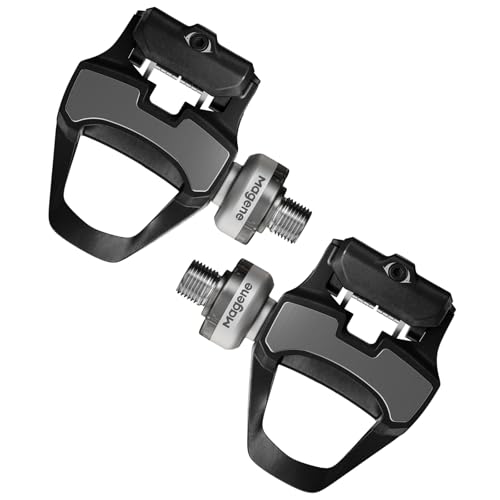
The Magene P715 Dual-Sensing Power Meter Pedals bring professional-grade data with ±1% accuracy for left/right power balance. Independent left and right power measurements let riders identify imbalances and tailor endurance or sprint-focused sessions accordingly. The pedals are SPD-SL compatible, enabling easy upgrades on many road bikes without swapping cleats. A premium silver finish complements modern bike aesthetics while delivering the expected durability from high-end power meters. The unit supports Bluetooth and ANT+ connectivity for seamless data transfer to training apps and smart devices, making it easy to log workouts across platforms.
Magene emphasizes simplicity with a quick, one-minute install, reducing downtime between rides. The P715’s dual-sensing design feeds precise metrics not only during steady-state efforts but also through dynamic changes in cadence and force during accelerations. The long-term usefulness lies in consistent calibration and the ability to monitor trends as training progresses. Riders seeking robust analytics, compatibility with SPD-SL setups, and reliable data stream will find the P715 a strong option for at-home performance tracking and race preparation.
KEO Blade Power Dual Pedals

The LOOK KEO Blade Power Dual pedals define a new standard for road pedals with an integrated power meter. Dual power transducers enable accurate, comprehensive data across the pedal stroke, offering insights into pedaling efficiency and balance. They’re designed to be easy to fit, accurate, and lightweight, making them a preferred choice for serious cyclists who want high-quality metrics without added weight. The KEO Blade Power Dual sits on the Keo Blade/X-Track platform, with models available for road and off-road use, and sensor configurations that optimize data capture across varied terrains. Training analytics can be refined to boost tempo and sprint performance.
These pedals emphasize performance consistency and data richness. With a focus on precision and reliability, the KEO Blade Power Dual helps riders quantify pedaling mechanics and optimize technique over both smooth pavement and rougher surfaces. The dual-sensor architecture supports robust training analyses and fosters better decision-making during structured workouts, intervals, and endurance rides. For athletes seeking a dependable, data-forward pedal platform with dual-sensor power, the Blade Dual is a strong match for high-intensity training cycles.
KEO Blade Power Single Pedals

The LOOK KEO Blade Power Single pedals offer precision power data with a single-sensor configuration, delivering a strong balance of performance and weight for road cyclists. The 12 Nm power rating marks a clear baseline for training with measured torque output, enabling riders to analyze pedaling technique and power output with high granularity. The single-sensor design remains compatible with the Keo Blade/X-Track ecosystem, ensuring integration with existing road setups while maintaining a lightweight, aerodynamic profile. It’s ideal for riders who want reliable metrics without adding significant weight to their pedal system.
In practice, single-sensor power meters focus on efficient, repeatable data collection during most riding scenarios. They pair well with standard clipless pedals and are particularly approachable for athletes transitioning to power-based training. The Keo Blade Power Single helps riders track progress through straightforward metrics while preserving the simplicity and feel that many road cyclists value during long intervals or tempo efforts. For those prioritizing a streamlined setup with solid power insights, this model provides a compelling option.
Litark SPD SL Road Pedal With Power Meter Potential

The Litark Road Bike Pedal for SPD SL blends clipless compatibility with a hardware approach that supports power meter functionality. Advertised as suitable for Look Keo blade and SPD SL platforms, this pedal caters to riders who want cross-compatibility across clipless systems. The design emphasizes a balanced, lightweight construction and includes a replacement cleat set to keep you riding without interruption. While the marketing highlights power-capable pedals, actual performance data relies on the installed meter hardware and software integration, so riders should verify supported data streams with their preferred training apps.
Litark’s pedal aims to bridge multiple clipless standards for riders who enjoy experimenting with different setups. The lightweight composite and stainless-steel construction prioritize durability and efficiency during hard efforts, and the included cleats help ensure quick, reliable engagement. For cyclists seeking a pedal platform that remains versatile across brand ecosystems while delivering potential power metrics, Litark offers a practical, all-purpose option for indoor and outdoor training rides.
Buying Guide
Power meter type and data depth
Pedal-based meters come in single or dual-sensor configurations. Dual-sensor systems (left and right) provide a fuller picture of your pedaling balance, while single-sensor meters focus on overall output. Consider whether you want detailed asymmetry data for optimizing pedal technique or a simpler, robust data stream for routine training.
Compatibility with bikes and cleats
Check cleat compatibility (SPD-SL, Look Keo, or SPD). Some pedals permit easy swaps between bikes, which is ideal for multi-bike setups. Ensure the pedal body and cleat interface match your current shoes and pedals to avoid compatibility issues during workouts or races.
Accuracy, calibration, and maintenance
Look for meters with reported accuracy around ±1% and straightforward zero-offset calibration. Pedal meters may require occasional maintenance or torque checks on installation, so consider models with user-friendly calibration routines and strong after-sales support.
Connectivity and data ecosystem
Bluetooth and ANT+ compatibility are essential for syncing with training apps, watches, and bike computers. Consider how well the meter data integrates with your existing ecosystem (Garmin, Wahoo, TrainingPeaks, etc.) and whether the device supports firmware updates for ongoing improvements.
Installation and weight
Ease of installation varies by model. Some pedals are a quick swap with existing cleats, while others require more setup and calibration. Also compare the weight impact; lighter pedals can improve efficiency but may come at a higher price point.
Battery life and durability
Battery life varies widely across pedal meters. Longer-lasting batteries reduce downtime and the need for frequent charges, especially for cyclists who train daily. Look for robust construction and water/dust resistance appropriate for your environment and training intensity.
Budget and value
Power meters span a range of prices. Higher-precision, dual-sensor systems tend to cost more but deliver richer data. Balance price against your training goals, desired data depth, and how often you plan to train with power meters to determine true value.