Real-time cadence and speed data are essential for turning workouts into measurable progress on a spin bike. The right speed sensor should connect smoothly with your favorite apps, withstand daily use, and install without fuss. The following five picks balance accuracy, compatibility, and value for American riders seeking reliable cadence and speed monitoring for indoor cycling, spin classes, and home gym setups. Use the quick table below to compare core specs at a glance.
| Product | Brand | Connectivity | Best For |
|---|---|---|---|
| Wahoo RPM Cadence Sensor | Wahoo Fitness | ANT+ & Bluetooth | Real-time cadence with popular training apps |
| Magene S3+ Speed/Cadence Sensor | Magene | Bluetooth & ANT+ | Flexible app connections; multi-device use |
| Garmin Speed Sensor 2 & Cadence Sensor 2 Bundle | Garmin | ANT+ & Bluetooth LE | Garmin ecosystem integration |
| COOSPO Cadence & Speed Sensor Kit | COOSPO | Bluetooth & ANT+ | Two-sensor package with broad compatibility |
| Moofit Cadence Sensor | Moofit | Bluetooth & ANT+ | Durable, IP67 waterproof cadence data |
Wahoo RPM Cadence Sensor
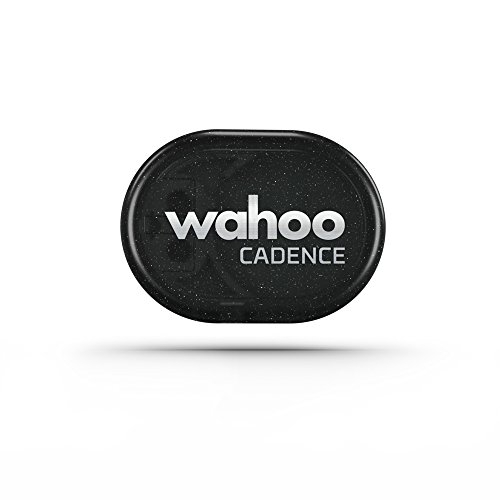
The Wahoo RPM Cadence Sensor provides real-time speed and cadence data via Bluetooth, compatible with a broad range of training apps including Wahoo SYSTM, RGT, Zwift, and Peloton Digital on iOS. It emphasizes cadence training to improve pedal efficiency and endurance, helping cyclists pedal longer and faster. The sensor uses dual-band technology—ANT+ and Bluetooth Smart—to connect with smartphones, tablets, and bike computers, making it a versatile choice for both indoor and outdoor rides and for integrating with multiple devices during one workout.
Users appreciate straightforward setup and broad ecosystem support. The RPM sensor is designed to minimize interference with your ride while delivering precise cadence and speed metrics. Its compatibility with multiple apps and devices means riders can customize their training environments without sacrificing data consistency, whether you’re chasing structured intervals on Zwift or tracking cadence in Peloton’s ecosystem. For those who ride across platforms, Wahoo’s solution provides a cohesive data stream across services.
Magene S3+ Speed/Cadence Sensor
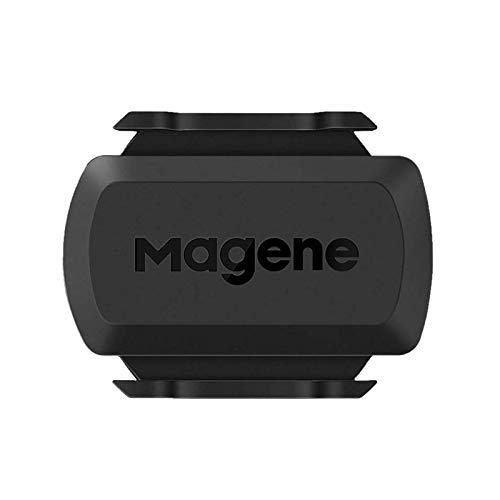
Magene S3+ is a compact sensor intended for both outdoor and indoor cycling analytics. It measures either speed or cadence per sensor instance, not both simultaneously, so users interested in both metrics should plan to use two sensors or pair with an additional unit. The device supports Bluetooth for app connections and ANT+ for multi-device broadcasting, though Bluetooth connections are typically app-specific. A pre-ride note: remove the insulating sheet from the pre-installed battery before use and re-install to switch between modes.
For riders who value flexible connectivity and multi-platform compatibility, Magene S3+ offers a practical path to collect pedal cadence or wheel speed data across different apps and displays. The ANT+ capability allows sharing data with several devices at once, which can be advantageous for multi-screen setups or shared data ecosystems during group classes or training sessions. It’s especially appealing for cyclists testing different apps and trainers within a single setup.
Garmin Speed Sensor 2 & Cadence Sensor 2 Bundle

The Garmin Bundle pairs a speed sensor that attaches to the wheel hub with a cadence sensor that fits cranks of various sizes. The speed sensor self-calibrates with Edge cycle computers and compatible Garmin devices to deliver accurate speed and distance data, even when a head unit isn’t present. The cadence sensor tracks pedal strokes per minute, adding cadence data to your workouts. Both sensors support ANT+ and Bluetooth Low Energy, enabling live data transfer to Garmin devices and third-party apps alike.
This bundle is especially beneficial for users deeply invested in the Garmin ecosystem. Self-calibration helps maintain data accuracy across rides, while ANT+ and Bluetooth LE connectivity ensure compatibility with a wide range of devices and apps. The ability to share live data with multiple displays or apps makes it convenient to monitor training metrics during complex workouts or in multi-device environments.
COOSPO Cadence & Speed Sensor Kit

COOSPO offers a two-sensor kit that includes one speed sensor and one cadence sensor, allowing simultaneous tracking of both metrics. The kit supports Bluetooth and ANT+, enabling connections to multiple devices depending on the protocol. Bluetooth connections are typically limited to a single app or device at a time, while ANT+ can broadcast to several displays or apps concurrently. Initial app pairing is done through the app itself rather than relying on the phone’s Bluetooth settings.
This setup is ideal for riders who want a budget-friendly dual-sensor solution with broad compatibility. The two-sensor package makes it simple to keep cadence and speed data in sync on spin bikes and trainers, while the dual-protocol support helps connect to a wide array of platforms—Zwift, Rouvy, Peloton-compatible apps, and more—without needing extra adapters or hubs.
Moofit Cadence Sensor Bluetooth/ANT+ IP67

Moofit’s Cadence Sensor provides real-time cadence data with both Bluetooth and ANT+ connectivity, supporting a broad spectrum of bike computers and smartphone apps. An IP67 rating enhances durability for sweaty workouts and variable conditions, while magnet-free installation simplifies mounting to the crank arm. The sensor is designed to deliver reliable cadence measurements across popular training apps and devices, making it a versatile choice for riders who want dependable cadence data across ecosystems.
Data from Moofit cadence sensors is commonly integrated with many ecosystems, including Wahoo Fitness, Zwift, Peloton-compatible apps, and other third-party platforms. While some app support variations may occur depending on model or firmware, the overall data stream remains consistent for cadence tracking. This option is well-suited for riders seeking durability, straightforward installation, and broad compatibility at a competitive price point.
CYCPLUS Bike Speed and Cadence Sensor

The CYCPLUS Sensor bundle includes both speed and cadence sensors, enabling you to capture velocity and pedal cadence data concurrently. It supports Bluetooth and ANT+, covering a wide range of devices and apps. The dual-mode sensor allows you to switch between cadence and speed modes with a simple toggle, simplifying setup for riders who want flexible data streams during workouts. The kit is designed to be compatible with many training platforms and devices, offering a practical balance of features and value.
With broad multi-protocol support, CycPLUS is a solid option for riders who want to test different apps and ecosystems without purchasing separate hardware for each metric. Its straightforward switch between modes helps streamline on-the-bike data collection, while the included speed and cadence data provide a comprehensive view of performance for pacing, intervals, and endurance training.
Buying Guide
Key purchase considerations help you choose the right sensor setup for your training and devices. Start with sensor type: cadence-only sensors suit cadence-focused workouts, while speed sensors (or dual-sensor kits) provide pace and distance alongside cadence. If you already own a preferred app or head unit, verify compatibility and data latency with that ecosystem.
Connectivity matters, especially when you use multiple devices. Bluetooth is widely supported by mobile apps but can limit connections to a single app on some devices. ANT+ offers broader multi-device broadcasting, which is helpful for multi-display setups or when pairing with several head units. Some sensors support both protocols, offering maximum flexibility for home gyms and club environments.
Consider sensor placement: wheels hub vs crank-arm mounting affects mounting options and alignment with your trainer or bike frame. Magnet-free designs simplify installation and reduce maintenance, but verify that your bike and trainer support the sensor’s mounting approach. IP-rated sensors (such as IP67) provide durability against sweat and rain, which is valuable for riders who train in dynamic environments or spill-prone spaces.
App compatibility and ecosystem integration are important for long-term use. If you’re invested in a Garmin, Wahoo, or COOSPO ecosystem, select a sensor that integrates smoothly with that platform and supports third-party apps like Zwift, Rouvy, TrainerRoad, or Peloton-compatible apps. Some sensors shine in multi-device setups, while others excel in single-app reliability. Evaluate whether you need live data across multiple displays or a single, streamlined data stream during workouts.
Finally, price versus features plays a pivotal role. Dual-sensor kits (two sensors) add data redundancy and coverage across two metrics but come at a higher upfront cost. If you mainly train cadence, a single, affordable cadence sensor or a mid-range dual-mode option may deliver the best value. For multi-environment training, consider sensors with strong app support, robust battery life, and straightforward pairing to minimize setup time before workouts.