Selecting the right bike seat can boost comfort, safety, and independence for riders with special needs. This guide reviews five widely available seats that emphasize wider fit, extra padding, and reduced pressure. Each entry includes a quick feature snapshot to help you compare comfort, support, and durability. Use the Buying Guide to weigh fit options, materials, and safety considerations before you buy.
| Product | Brand | Key Benefit |
|---|---|---|
| LCYMD Dual Shock Seat | LCYMD | Memory foam cushioning with dual shock absorbers |
| ROCKBROS 3-Zone Seat | ROCKBROS | Three-zone comfort for pressure relief |
| Phroxbik Wide Comfort Seat | Phroxbik | Oversized wide design for stability |
| Twomaples Noseless Comfort Seat | Twomaples | No-nose design reduces inner thigh rubbing |
| TXPEP Oversize Nose-Less Seat | TXPEP | Extra wide with memory foam and ventilation |
LCYMD Dual Shock Seat Cushion
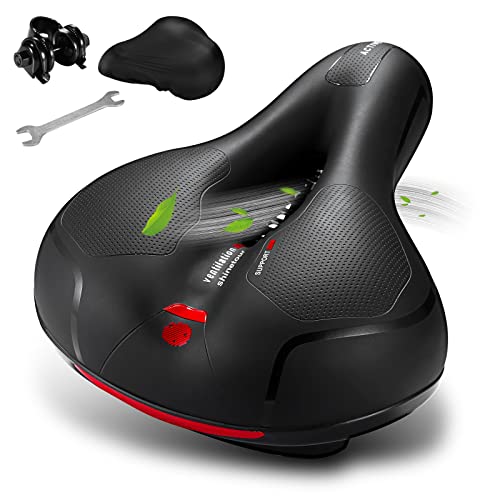
The LCYMD seat is designed to cushion long rides with a broad surface area and cushioned support. It features two shock-absorbing balls beneath the saddle to dampen bumps, reducing jarring on sensitive sit bones. The generous dimensions (approximately 9.7 by 8 by 3.7 inches) distribute weight more evenly, lowering pressure hotspots during extended use. A memory foam layer provides soft, adaptive support, while a leather-like, non-slip surface helps keep the saddle in place. The kit includes practical accessories—a saddle adapter, mounting wrench, and a waterproof cover—allowing quick setup and weather-ready rides. Breathability aids comfort on warmer days, and the overall build aims for durability across daily cycling tasks.
ROCKBROS 3-Zone Memory Foam Seat
ROCKBROS emphasizes a three-zone memory foam design intended to relieve pressure across key contact areas. The seat uses dual shock-absorbing balls underneath to damp vibrations from rough roads, helping to smooth out long rides. A water-resistant top layer with an anti-slip texture helps the seat stay in place during pedaling. The design supports broad compatibility across standard posts and frames, making it a versatile option for families seeking dependable daily use. A breathable cover improves comfort in warm weather, while the overall geometry helps distribute weight evenly to minimize discomfort during extended sessions.
Phroxbik Wide Comfort Bicycle Seat

Phroxbik offers an extra-large saddle with three-inch wings of high-resilience foam to support a broader contact area. The wide design aims to distribute weight more evenly, reducing sit-bone pressure for longer rides. The seat is engineered to absorb bumps and rough terrain for a smoother experience, contributing to comfort on various surfaces. An ergonomic wing design aligns with hips to help prevent soreness and tailbone pressure. The surface uses a non-slip, wear-resistant leather for durability and easy cleaning, making it suitable for daily cycling and longer workouts alike.
Twomaples Noseless Comfort Seat

Twomaples features a noseless, extra-wide concave shape designed to reduce friction between the thighs and the saddle. This design can help minimize discomfort for riders with wider hips or sensitivity in the groin area. The cushion employs memory foam with a waterproof surface and a non-slip print to help it stay stable during vigorous pedaling. A substantial weight-capacity claim supports a range of rider types, and the noseless configuration can improve comfort on long rides by reducing rubbing and pressure on sensitive tissue.
TXPEP Oversize Nose-Less Seat

TXPEP presents an oversized, nose-less design with a broad, wing-like profile that helps spread pressure across a larger surface area. It uses high-density memory foam for cushioned support and adds double shock-absorbing gel balls to dampen bumps. Ventilation hollows promote airflow to keep riders cooler on longer sessions, and the waterproof PU leather surface adds durability for outdoor use. The seat is described as capable of supporting up to 330 pounds, making it a versatile option for riders with varying body types who need dependable comfort on commutes or workouts.
Buying Guide
Key fit and configuration: For riders with special needs, width matters more than length. Measure hip width and assess whether a noseless design reduces friction without limiting leg movement. If possible, try seats with memory foam or multiple padding zones to distribute weight across sit bones and hips.
Padding and materials: Memory foam density and layer thickness influence long-ride comfort. Look for seats with high-density foam, breathable surfaces, and a washable, water-resistant cover. Durability is essential for daily use; a rugged surface reduces wear from weather and road grime.
Shock absorption and suspension: Dual shock absorbers or cushioned rails help dampen vibrations on rough pavement. A design that incorporates under-seat padding or winged shapes can minimize bounce and distribute impact away from sensitive areas. Consider how the seat interacts with your bike’s post and mounting system.
Size, weight capacity, and compatibility: If a rider has a larger hip or pelvic width, an oversized or noseless seat may offer more comfort. Check the stated weight capacity and ensure compatibility with your bike’s seat post, rails, and mounting hardware. Some seats come with adapters or accessories that simplify installation.
Maintenance and weather resistance: Removable, washable covers and waterproof materials simplify upkeep. Non-slip surfaces help maintain seat position in rain or sweat. Durable stitching and edge finishes extend the life of the saddle across seasons and usage levels.
Usage scenarios and safety: For daily commutes, consider seats that balance comfort with secure fit. For long rides or rehabilitation settings, prioritize seats with enhanced pressure relief, stability, and easy cleaning. Always ensure proper mounting and verify that the seat does not interfere with pedal clearance or frame geometry.
Comparison at a glance: Noseless designs tend to reduce thigh friction and may fit riders with wider hips, but some users find traditional noses offer more forward support. Multi-zone or wide-seat designs emphasize pressure distribution and can improve comfort on extended sessions. When choosing, balance width, padding, and stability with riding style and bike type.