Winter riding demands reliable traction, and cyclists with fat tires or adventurous routes often explore options beyond standard road tires. This guide highlights five top traction devices and snow-ready accessories that can help bikes navigate snow, slush, and ice with more confidence. From fat-tire straps to emergency zip ties and snow socks, these products offer practical solutions for winter cyclists. Each selection is evaluated for bike compatibility, ease of use, and overall value, so riders can choose the right tool for their routes and climates.
| Product | Brand | Best For | Key Feature |
|---|---|---|---|
| Bakcou Fat Tire Snow Straps | Bakcou | Fat-tire bikes (3.5–4 in) | 20-strap set for full tire coverage and enhanced traction |
| 10 Pcs Adjustable Anti-Slip Tire Zip Ties | BuleVina | Emergency traction on various tires | Lightweight, adjustable, and capable of temporary grip gains |
| K&K Snow Socks Pro Series | KNK Boutique | Wide range of vehicles; adaptable for fat bikes | Lightweight, quick 5-minute installation, reusable |
| SCC Z-575 Z-Chain Extreme | SCC | Automotive use on snow/ice | Manganese alloy cross members for strong traction |
| SCC SC1032 Radial Chain Cable | SCC | Compact, low-clearance tires | Low operating space around drive tires with smooth ride |
Bakcou Fat Tire Snow Straps

The Bakcou Fat Tire Snow Straps are designed specifically for fat-tired bicycles. This set provides comprehensive coverage for tires with widths around 3.5 to 4 inches, making it suitable for mountain bikes and fat bikes navigating snowy trails. The included straps help distribute traction across contact patches, helping to reduce slips on ice or packed snow. The system is portable and reusable, offering a practical option for winter rides that require extra grip on challenging surfaces.
Key features emphasize winter performance: a complete set of straps ensures even traction around the tire, and the design targets ice and snow to help maintain control on steep or uneven terrain. The straps are lightweight for bike use and can be stored easily in a pack or saddlebag. While not a permanent tire modification, these straps can help riders push through light to moderate winter conditions where traditional tires struggle.
10 Pcs Adjustable Anti-Slip Tire Zip Ties

This compact set provides a lightweight emergency traction option for bikes. The 10 adjustable anti-slip zip ties are marketed for quick, temporary grip improvements on a range of tires, including those used on bikes in winter settings. The product uses nylon construction for strength and a one-piece zip-latch design intended to protect rims from scratches during use. It’s important to follow the speed and size parameters specified by the manufacturer to avoid compromising control on ice or snow.
Practical usage notes: suitable for emergency scenarios where grip is momentarily needed on icy patches, frozen ruts, or soft snow. They’re not a long-term replacement for proper studded tires or dedicated traction devices, but they can offer a timely boost when conditions worsen during a ride. For bikes, consider carrying them as part of a winter-ready toolkit, especially on longer, higher-risk routes where unpredictable patches may appear.
K&K Snow Socks Pro Series

The K&K Snow Socks Pro Series are a popular alternative to tire chains, offering lightweight fabric traction that can aid in snow and icy conditions. They’re described as quick to install (about five minutes) and reusable, with storage bags and gloves included in some sets. While these socks are marketed for a broad range of vehicles, riders with fat-tire bikes may consider them for lighter snow conditions or when pavement is mixed with snow. They are particularly appealing for riders seeking a simple, portable solution that can be deployed rapidly on a chilly day.
Important considerations include checking the size to ensure a proper fit for the tire width and circumference of the bike. These socks work well for light to moderate snow and ice but may not be suitable for steep mountain terrain or deep drifts. They are an easy, low-cost addition to a winter cycling kit, with the benefit of quick removal and cleaning after use.
SCC Z-575 Z-Chain Extreme
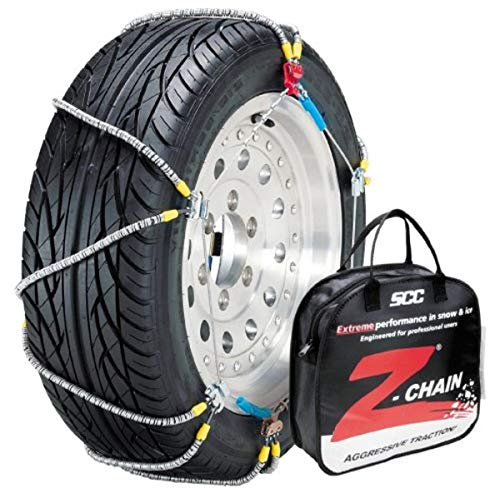
The SCC Z-575 Z-Chain Extreme is a cable traction chain designed for cars, pickups, and SUVs, featuring manganese alloy cross members that deliver strong all-around traction. It’s designed for fast installation with minimal vehicle movement and offers compatibility with modern safety systems such as anti-lock brakes and traction control. For cyclists, this product is included here to illustrate the range of traction options that exist in the market and to help shoppers compare automotive-grade solutions that may be adapted for light-duty, bike-specific uses in limited, low-clearance scenarios. Always verify clearance and compatibility with your bike’s frame and components before attempting any adaptation.
Key points: reliable traction from a rugged cable design; quick install; works with electronic stability systems on vehicles. Bike riders should be cautious about mounting these devices directly to a bike and must ensure there is adequate clearance around drivetrain components and brakes if attempting any non-standard use.
SCC SC1032 Radial Chain Cable Traction

The SCC SC1032 Radial Chain Cable Traction is a compact cable system designed for improving traction on snow and ice. It emphasizes low operating space around drive tires, a benefit for vehicles with limited clearance in tight spots. For cyclists, this type of device demonstrates how traction solutions vary in design and application. If a rider considers adapting similar cable-based solutions for a bike, it’s essential to evaluate clearance around the wheel, brake calipers, and fenders, and to test in a controlled environment before any on-road use.
Highlights include a focus on a smooth ride under challenging conditions and a balance between grip and space around the drive area. As with other automotive-grade traction aids, verify compatibility with your bike setup and local regulations before attempting to apply these devices to a bicycle wheel system.
Buying Guide
Choosing traction gear for bike tires involves balancing fit, ease of use, and the conditions you ride in. The following considerations help compare different options and identify what works best for a cyclist’s specific needs.
- Bike tire type and size: Fat bikes with 3.5–4 inch tires have different traction needs than standard road bikes. Confirm compatibility with your tire width and wheel diameter, and check if the device is intended for bikes or mainly motor vehicles.
- Terrain and conditions: Ice, packed snow, and soft snow each demand different solutions. Snow straps with studs, snow socks, and lightweight zip-tie solutions excel in different scenarios. For steep, icy descents, more robust traction devices may be needed.
- Installation time and portability: Quick-install options are valuable on frigid days. Fat-tire straps and socks typically offer fast setup, while cable chains may require more effort and space around the wheel.
- Durability and reuse: Reusable devices save money over time and reduce waste. Check materials (nylon, metal, or fabric) and whether cleaning and storage are straightforward after use.
- Rim and brake clearance: Some traction devices can interfere with rims, calipers, or fenders. Ensure there’s adequate clearance and that any device won’t contact braking components or damage the rim.
- Weight and packability: Lightweight options are preferable for bikes, especially on longer rides. Consider how the device will fit in a saddlebag or backpack.
- Legal and safety considerations: Some traction devices are approved for winter travel in certain regions. Verify whether a device is permitted for use on the road, and follow local guidelines.
- Maintenance and care: After use, dry and clean devices before storage to extend life. Inspect straps or cables for wear and replace as needed.
- Cost vs. value: Higher-end devices may offer better durability or easier installation. Weigh the upfront cost against expected reuse and the types of winter rides you plan.
In summary, for bike tires, prioritize fat-tire-specific traction devices (like fat tire snow straps) and lightweight, easily deployable options that suit your typical winter routes. Automotive-grade cable chains and socks can be useful in certain conditions or for emergency preparedness, but always assess bike compatibility and clearance before attempting to adapt any device designed primarily for motor vehicles.