Choosing a rear hitch bike rack involves balancing capacity, vehicle compatibility, and convenience. The following picks represent reliable options that cover common needs—from lightweight 2-bike carriers to rugged 4-bike configurations. Each product below is a popular choice for SUVs, trucks, and family cars, offering features such as tilting access, folding arms, and integrated security. Whether you mostly commute to work, go on weekend trails, or shuttle bikes to a race, this guide helps you compare how each rack handles weight, stability, and ease of use.
| Product | Bikes Capacity | Hitch Size | |
|---|---|---|---|
| Allen Deluxe 4-Bike Hitch Rack | Up to 4 bikes | 2-inch | Foldable arms, tilts back, no-wobble bolt |
| MaxxHaul 50025 | 2 bikes | 1-1/4″ & 2″ | Broad hitch compatibility, rubber cradles |
| Young 2-Bike Hitch Rack | 2 bikes | 2-inch | Soft padded hooks, rear reflector, foldable |
| MaxxHaul 70210 (4-Bike) | Up to 4 bikes | 2-inch | Swing-down feature, easy installation |
| Yakima HoldUp Tray 2-Bike | 2 bikes | 2-inch | Tilting tray, SKS locks, adjustable spacing |
Allen Deluxe 4-Bike Hitch Rack

The Allen Deluxe 4-Bike Hitch Rack is built for 2-inch receiver hitches and accommodates up to four bicycles, making it a versatile option for families or groups. It employs a patented tie-down cradle system that individually secures each bike, providing protection against frame-to-frame contact and vibration during transit. The design also features fold-out carry arms for compact storage when the rack is not in use. This rack is well-suited for vehicles that require a higher capacity without sacrificing stability on the road.
Ease of use is enhanced by a tilt-back design that enables practical lift-gate access even with bikes mounted. A no-wobble bolt minimizes rack movement inside the hitch, improving stability at highway speeds. All retainer clips are attached with lanyards to prevent lost hardware, and the finish is a durable black powder coat that resists road grime and weather exposure. Minor assembly is typically required, but setup is straightforward for most DIY installers.
MaxxHaul 50025 Hitch Mount 2 Bike Rack
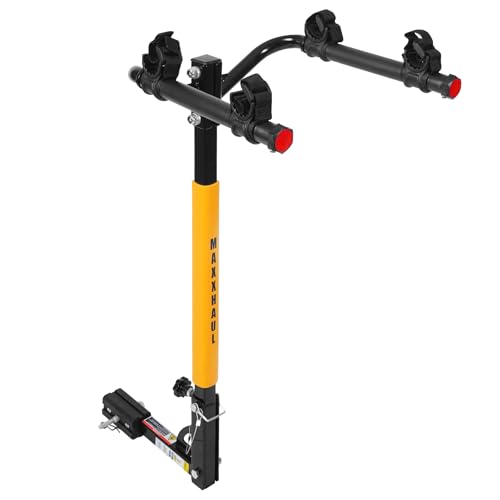
The MaxxHaul 50025 is designed to fit standard 1-1/4″ and 2″ hitch receivers, with broad compatibility across Class I–IV hitches. This versatility makes it a practical option for a wide range of vehicles, from smaller cars to larger trucks. It securely transports two bikes using improved rubber cradles and buckle-type straps that minimize movement and prevent frame damage during transit. The rack’s robust construction supports steady performance on highway trips and weekend getaways alike.
Installation is straightforward, and the rack’s finish helps resist weather-related wear. The suspension-friendly cradle design reduces sway, and the buckle straps keep bikes firmly in place throughout your drive. Its compact footprint when folded makes it a convenient choice for renters and casual users who need dependable transport without heavy gear.
Young 200 lbs. 2 Bike Rack
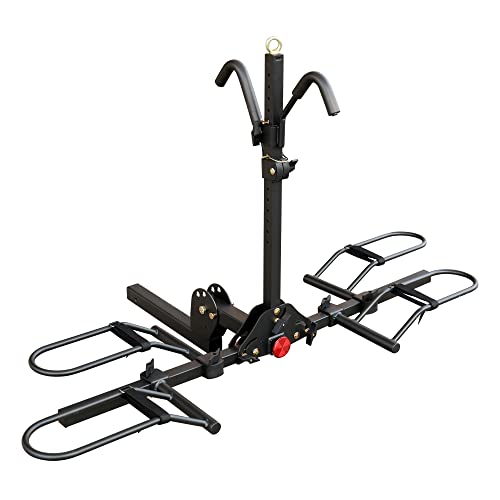
Young’s platform-style rack offers a robust 200-pound total capacity (100 pounds per bike), accommodating a variety of frame sizes and tire widths. Soft padded hooks minimize frame contact and reduce the risk of scratches, while a rear safety reflector improves visibility in low-light conditions. The design includes a hitch tightener to fit different bike frames securely, ensuring stability on the road.
Practical use is boosted by a foldable and tilt-back design, which saves space when not in use and provides quick trunk access without detaching the rack. The rack supports universal tire holders and wheel straps compatible with mountain, road, and fat-tire bikes. With a maximum wheelbase of about 58 inches, it covers most standard bikes and many larger setups, making it a flexible option for mixed fleets.
MaxxHaul 70210 4-Bike Rack
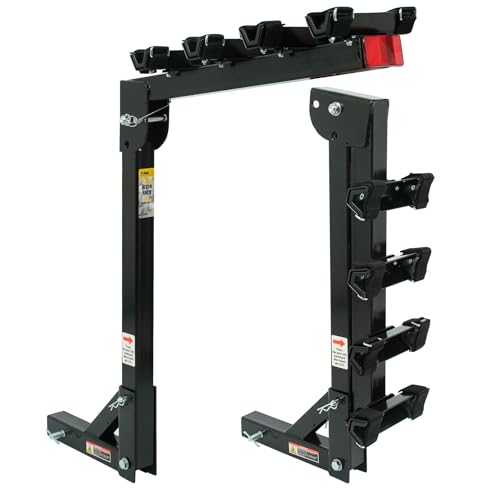
The MaxxHaul 70210 is a 4-bike hitch rack designed for cars, trucks, SUVs, and minivans, with a total loading capacity suitable for four bikes and a towing rating of 150 pounds. A hitch pin secures the rack to the vehicle, while a reflector adds a safety touch for night driving. The swing-down feature provides convenient rear access to the cargo area when bikes are mounted, which is especially useful for loading groceries or gear without removing bikes.
Installation is typically quick, with adjustable arms and integrated hold-down straps that keep bikes stable during transit. The sturdy construction and thoughtful safety features make this rack a practical option for larger families or groups who frequently transport multiple bicycles to nearby trails or events.
Yakima Tray Hitch Bike Rack (HoldUp 2)

The Yakima Tray Hitch Bike Rack is a two-bike carrier that fits 2-inch receivers and tilts down for easy trunk access with bikes loaded. It accommodates wheel sizes from 20 to 27.5 inches and tires up to 3 inches wide, making it capable of handling road, mountain, and some fat-tire setups. Integrated SKS locks secure the bikes to the rack and the rack to the vehicle, enhancing theft protection during stops.
Width and spacing between bikes are adjustable to accommodate different frame sizes, and the system is compatible with disc brakes, through axles, and full-suspension frames, providing broad versatility. By mounting at the wheels, the design helps protect painted surfaces and carbon frames, contributing to long-term bike care during travel.
Buying Guide
Key considerations when selecting a rear hitch rack include capacity, hitch compatibility, and how you plan to use the rack in daily life or on trips. Start by confirming the hitch size on your vehicle (2-inch is common for larger racks, while some models also accommodate 1-1/4-inch receivers) and decide how many bikes you need to transport regularly.
- Bike Capacity and Weight: If you regularly shuttle four bikes, prioritize a 4-bike rack with sturdy construction. For couples or small families, a 2-bike model may be sufficient and lighter to handle.
- Hitch Compatibility: Look for racks that fit your vehicle’s hitch classes (I–IV) and the correct receiver size. Some racks offer dual-size compatibility (1-1/4″ and 2″).
- Rack Type: Platform/Tray racks protect frames by mounting at the wheels, while hanging racks can be lighter but may place more contact on frames. Tray racks generally offer easier bike mounting and better compatibility with varied bike sizes.
- Access and Convenience: Tilt-back or swing-down features simplify trunk access without removing the rack. Consider how often you need to reach your cargo area with bikes loaded.
- Security: Integrated locks (to secure bikes to the rack and the rack to the vehicle) deter theft. Check if locking hardware is included or sold separately.
- Bike Compatibility: Ensure the rack accommodates your bike types, including fat tires, disc brakes, through axles, or full-suspension frames. Wheelbase and tire width limits are also important for non-traditional bikes.
- Storage and Portability: Folding arms and compact designs reduce hanging space in garages or when transporting the rack in a storage area or trunk.
- Durability and Weather Resistance: Powder-coated finishes resist rust and corrosion. Material quality affects long-term performance in varied climates.
- Installation and Maintenance: Some racks install in minutes with minimal tools; others require more assembly. Regular checks of straps, clamps, and hardware help maintain safety over time.
- Warranty and Support: A solid warranty and accessible customer support can save time and money if issues arise.
When comparing options, weigh your vehicle’s size and your typical trips against the rack’s features. For families with multiple bikes or for frequent road trips, investing in a high-capacity rack with secure locking and a swing-down design often pays off in reliability and ease of use. For occasional use or city driving, a lighter 2-bike model with robust security and simple installation may be the most practical choice. Always follow manufacturer installation instructions and regularly inspect hardware for wear and tear to maintain safety on the road.