Riders seeking reliable, puncture-resistant options can transform their experience with no-flat tubes, sealant-filled inner tubes, and protective liners. This guide focuses on five effective solutions designed to minimize flats and keep you moving, from self-sealing tubes to run-flat inserts. Each option caters to different bikes, terrains, and maintenance preferences. Use the buying guide below to compare compatibility, installation, and long-term value, so you can choose the best fit for your riding style.
| Product | Brand | Key Benefit |
|---|---|---|
| Stop-A-Flat Puncture-Proof Tube | Stop-A-Flat | Thorn resistance with economical, no-flat design |
| Slime 30045 Inner Tube | Slime | Self-sealing with Fibro-Seal up to 3 mm punctures |
| Slime Puncture Sealant Inner Tube | Slime | Extra strong, seals punctures up to 3 mm |
| JOE’S NO FLATS Sealant Tube | JOE’S NO FLATS | Seals holes up to 6 mm in tubes and tubeless tires |
| Tannus Armour Tire Inserts | Tannus | Run-flat protection with puncture inserts |
Stop-A-Flat Puncture-Proof Tube

The Stop-A-Flat tube is designed to reduce the frequency of flats with a focus on size accuracy, economy, and broad use. It lists specific sizing notes and a key emphasis on a long-term cost saving compared to traditional inner tubes.
- Size compatibility: 16 x 1.75, ETRTO 47-305; stated rim width of 20 mm with +/- 1 mm tolerance.
- Economical approach: claims potential savings by replacing standard tubes with Stop-A-Flat.
- Versatile applications: marketed for bicycles, trailers, joggers, strollers, and other wheeled devices.
Slime 30045 Inner Tube With Slime Sealant

These Slime inner tubes combine a rugged tube with built-in slime sealant, designed to prevent flats for an extended period. Slime’s Fibro-Seal Technology targets punctures with rapid sealing, helping riders stay on the move even after minor punctures.
- Extra-strong construction aims to stop flats for up to two years due to slime inside.
- Sealant features Fibro-Seal Technology, sealing punctures up to 1/8″ (3 mm).
- Intended to minimize ride disruption from punctures, keeping you moving.
- Schrader valve specification included in the product listing.
Slime Puncture Sealant Inner Tube
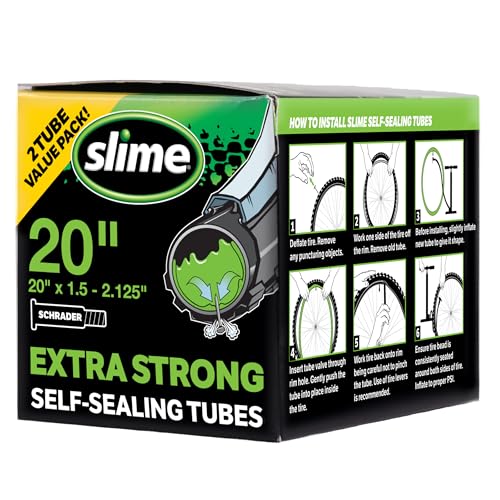
This Slime tube variant uses the same core sealant approach to reduce flats, focusing on extra strength and immediate sealing of punctures. It carries the same design intent—minimizing ride disruption caused by punctures.
- Inner tube with built-in Slime sealant
- Self-sealing capability targets punctures up to 3 mm
- Intended to prevent punctures from ruining rides and keep you going
JOE’S NO FLATS Sealant for Tubes and Tubeless
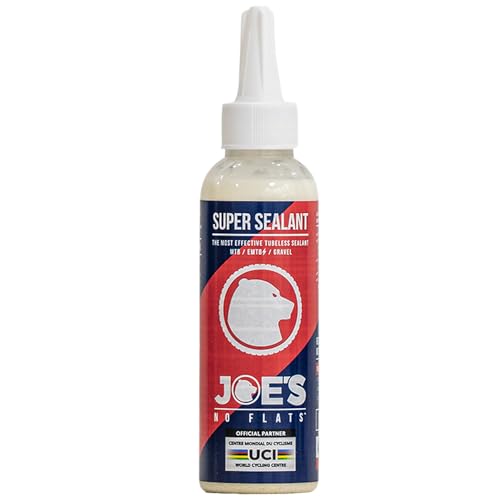
JOE’S NO FLATS is designed for mountain bike and gravel riders who run higher-volume, lower-pressure tires. It accommodates tubeless setups as well as inner tubes, sealing holes up to 6 mm. The product emphasizes shelf life and practical temperature range for varied riding conditions.
- For MTB and gravel tires; optimal at 20-70 PSI
- Seals holes up to 6 mm in tubes, tubeless tires, and tubulars
- Extended shelf life; temperature range from -4°F to 158°F (-20°C to 70°C)
Tannus Armour Tire Inserts

Tannus Armour inserts are foam-based protective devices designed to convert tires into run-flat configurations. They aim to stop punctures from thorns and pinching while offering ride comfort and durability. They are marketed as a pro-endorsement solution that can reduce the risk of getting stranded.
- Foam insert technology to stop punctures
- Professional-level trust and usage by MTB teams
- Convert tires to run-flat for continued riding when air is low or absent
Buying Guide
Choose The Right Approach For Your Riding Style
Inner tubes with built-in sealants are ideal for riders who want simple compatibility with existing wheels and standard maintenance. Tire inserts from Tannus add a run-flat capability, appealing to riders who frequently ride on thorny trails or hard-to-patch conditions. For tubeless or tubed systems, sealant-focused products from Slime or Joe’s No Flats can dramatically reduce downtime caused by punctures. Consider how you ride—road, mountain, commuter—and how frequently you encounter sharp debris.
Compatibility And Sizing
Verify tire diameter and width against the product specifications. Some sealant tubes target standard sizes (for example, 16 x 1.75) while others are designed to broader ranges. Tire inserts require proper sizing relative to your rims and tires to avoid clearance issues. If you ride mixed sizes or multiple bikes, choose products that offer broad compatibility or easy swap options.
Performance And Maintenance
Sealant-based tubes seal punctures at moderate sizes quickly, but performance can depend on temperature and riding conditions. Foam inserts provide run-flat capabilities but add weight and may affect ride feel. Liners and liners-plus-sealant combos can increase protection but require more installation time and periodic inspection for wear. Evaluate how often you flatten, how far you ride between flats, and whether you’re willing to perform routine maintenance to maximize longevity.
Durability, Weight, And Riding Experience
Protection comes with trade-offs. Heavier tubes or inserts may slightly reduce acceleration efficiency or increase rolling resistance. However, the reward is fewer flats and longer ride continuity in rough terrain. Liner-style protectors typically add minimal weight compared to full tubeless setups, while run-flat inserts may add noticeable mass but reduce downtime. Consider your terrain, pace, and energy budget when weighing these factors.
Cost, Value, And Longevity
Prices vary by technology and brand, but long-term value often hinges on how effectively the product minimizes flats and maintenance time. Sealant-filled tubes may have lower upfront costs than high-end foam inserts, but their longer-term use depends on sealant life and re-application needs. For riders who frequently ride in thorny or rocky conditions, paying for robust protection can be economically sensible by reducing downtime and replacement costs.
Safety, Installation, And Compatibility Notes
Read installation instructions carefully. Some products require disassembly or careful seating to avoid pinching during installation. Ensure compatibility with your current rims, tires, and valve types. If you already run tubeless systems, choose sealants optimized for tubeless or mixed setups. Always verify that the protection system does not interfere with braking, clearance, or tire bead seating for safe, reliable riding.