Wide, thick tires can dramatically improve stability, control, and comfort on rugged trails. For riders tackling roots, rocks, mud, and loose dirt, a 26-inch tire around 1.95 to 2.1 inches wide offers a balanced blend of grip, durability, and rolling efficiency. The following five options are popular, readily available, and built for punishing off-road use while still performing well on pavement. Each product detail highlights size, construction, and standout traits to help you pick the right tire setup for your bike and terrain.
| Product | Brand | Size | Key Feature |
|---|---|---|---|
| WTB Velociraptor Front Tire | WTB | 26×2.1 | Aggressive tread with mud-shedding front grip |
| Fincci Foldable 26×2.10 Tires | Fincci | 26×2.10 | Kevlar foldable bead, 60 TPI for light weight |
| Hycline 26-Inch Mountain Tires | Hycline | 26×1.95 | Puncture-resistant with nylon cord construction |
| QiYueZaiYe 26×1.95-2.125 Tire Kit | QiYueZaiYe | 26×1.95-2.125 | Triple puncture protection with liners |
| Kulifoo 26×1.95 Inch Tires (2-Pack) | kulifoo | 26×1.95 | Puncture-resistant tread with included inner tubes |
WTB Velociraptor 26×2.1 Front Tire
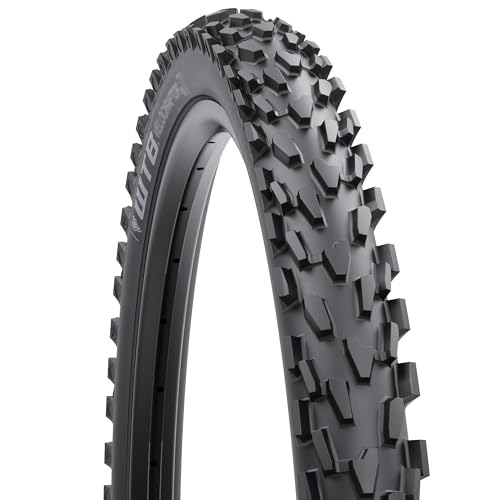
The Velociraptor front tire features front-specific tread with pointed knobs designed to slice through soil and loose dirt while counteracting cornering forces. Its durable rubber blend and reinforced construction promote reliable grip on mixed terrain. Sized at 26×2.1, it fits standard 26-inch rims and suits a broad range of mountain bikes. The tire is built for mud shedding and predictable braking on uneven surfaces. A flexible but sturdy casing provides stability during fast descents and technical climbs, making it a solid option for riders who prioritize front-end traction on rugged trails.
Fincci Foldable 26×2.10 Tires

These Fincci tires use a foldable Kevlar bead and a 60 TPI nylon casing to reduce weight without sacrificing durability. The 26×2.10 size provides a wide footprint for confident stability on dirt, gravel, and light mud, while offering a balanced roll on pavement. The directional tread is designed for versatile use, delivering solid traction on trails and a smoother ride on city streets. The foldable design eases transport and installation, and the construction aims to resist urban wear while maintaining performance on rugged routes.
Hycline 26-Inch Mountain Bike Tires

Hycline’s 26×1.95 tires come as a two-pack, offering a versatile option for riders who want reliable grip and puncture resistance on a variety of terrains. The kit notes a PSI range of 30-80, with nylon cord technology contributing to durability and wear resistance. An included pair of inner tubes and tire levers adds convenience for field repairs. The tread pattern aims to balance traction on loose dirt, roots, and rocky sections with predictable braking on hard surfaces, making them a practical all-around choice for off-road exploration.
QiYueZaiYe 26×1.95-2.125 Tire Kit

This complete kit includes two 26×1.95 tires, two Schrader tubes (26×1.75/2.125), two puncture-resistant liners, and two tire levers. The tires feature a robust 30 TPI construction and a wide 26×1.95-2.125 size range for compatibility with a variety of wheel setups. Triple puncture protection combines liners with a thick butyl tube for improved flat prevention on rough trails. The result is a dependable replacement set for riders who frequently navigate thorny or rocky trails and want quick, reliable field repairs.
Kulifoo 26×1.95 Inch Tires

Kulifoo offers a rugged pair of 26×1.95 tires designed for aggressive all-terrain riding. Constructed with Thai natural rubber for durability and traction on mud, rocks, and roots, these tires include two butyl inner tubes and tire levers for ready-to-ride repairs. The 60 TPI nylon casing provides a balance of bite and rolling efficiency, while the tread pattern aims to deliver confident grip across a range of surfaces. This set is well-suited for riders who want a straightforward, durable upgrade for trail-oriented bikes.
Buying Guide
When selecting thick mountain bike tires, consider how you ride, where you ride, and how much effort you want to invest in maintenance. The following considerations help you compare options across the five products above and similar models:
Size, Rim Width, and Compatibility
Most 26-inch bikes use tires in the 1.95–2.1-inch range for a balance of grip and rolling efficiency. Check your rim width and tire bead compatibility (Kevlar vs wire or folding beads) as well as whether your frame or calipers have clearance for a wider tire. If you frequently switch between trail and city riding, a 2.0–2.1 inch tire often provides the best versatility.
Tread Design and Traction
Front-specific tread patterns with prominent knobs offer sharper steering and better bite in loose soil or gravel, while rear tires typically emphasize float and braking stability. A tire with mud-shedding knobs helps on damp or muddy trails, and a dense tread can reduce noise and improve stability on pavement. For rocky or rooty trails, a tread that maintains grip while avoiding excessive squirm is essential.
Puncture Protection and Durability
Look for tires with reinforced nylon or Kevlar liners, thicker casings, and tubeless-ready design if you plan to run sealant. A combination of puncture protection and robust sidewalls reduces flats on thorny or sharp-edged debris. TPI (threads per inch) affects weight and flexibility; higher TPI generally means a lighter, more supple tire but may wear differently on rough terrain.
Tubes, Liners, and Tubeless Readiness
Several tire kits include inner tubes and levers, which simplifies roadside repairs. If you want tubeless capability, confirm whether the tire is tubeless-ready and plan for a separate sealant and tubeless rim setup. Tubeless configurations often reduce flats but require more initial setup and maintenance.
Weight, Durability, and Riding Style
Thick tires tend to be heavier, which can impact acceleration but offers improved stability and impact absorption. For aggressive riders on technical trails, durability and puncture resistance take precedence over light weight. For urban commuting or light XC, a lighter 2.0–2.1 inch tire with good rolling resistance can be a better choice.
Brand, Availability, and Support
Choosing established brands with wide availability helps with replacements and support. Availability in the US, compatible accessories (tubes, levers), and warranty considerations are important factors when building a reliable spare-tire kit for frequent riders or guided trips.