Choosing the right full-face helmet is essential for downhill mountain biking safety, comfort, and performance. This guide spotlights five top-rated models that balance protection, ventilation, and fit for American riders. Each helmet is designed to withstand high-speed impacts while keeping you cool on steep descents. Below are concise overviews, practical features, and a buying guide to help you pick the best helmet for your riding style and head size.
| Product | Brand | Key Feature |
|---|---|---|
| OutdoorMaster Grizzly Full-Face Helmet | OutdoorMaster | 27 vents, under 750g, EPP collarbone protection |
| Demon Podium Full Face Helmet | DEMON UNITED | Romanized airflow with 13 vents, washable liner |
| Demon United Podium X MIPS Full Face | DEMON UNITED | MIPS, 20+ vents, lightweight |
| OutdoorMaster MIPS Full Face Helmet | OutdoorMaster | MIPS, 27 vents, under 750g |
| Demon Podium Full Face Black | DEMON UNITED | EPS liner, 13 vents, adjustable visor |
OutdoorMaster Grizzly Full-Face Helmet

OutdoorMaster’s Grizzly Full-Face helmet emphasizes a balanced approach to safety and comfort. Designed for adults with a head circumference range of 57–62 cm, it includes an EPP collarbone impact system and chinbar shock pads to help mitigate impact forces where riders typically feel the most stress. The helmet’s ventilation is driven by injection-molded high-flow channels that house 27 vents, creating a continuous airstream across the skull. At just under 750 grams, the Grizzly minimizes neck fatigue on long rides while still delivering robust protection.
The Grizzly’s two removable chin pads allow riders to customize fit and comfort, enabling a snug seal without pressure points. The overall build prioritizes airflow without sacrificing rigidity, making it suitable for both aggressive downhill runs and longer steep sections. Maintenance involves regular cleaning of the removable components and checking the shell for any cracks after heavy riding. This helmet is a practical choice for riders who want reliable protection with a breathable, rider-friendly profile.
Demon Podium Full Face Helmet

The Demon Podium Full Face Helmet is positioned as a high-performance option with a focus on cooling and style. Built with a tough outer shell and an EPS foam liner that conforms to the rider’s head shape, it provides a personalized fit while maintaining impact protection. A removable, washable helmet liner simplifies care on sweaty rides, and the design features 13 air flow vents to promote airflow and temperature regulation during vigorous sessions. The helmet’s visuals reflect the brand’s racing heritage, appealing to riders who want both protection and aesthetics on the trail.
Riders will appreciate the adjustable visor, whose aluminum side screws offer durability and mounting precision. The combination of a secure fit, streamlined ventilation, and a robust exterior makes the Podium a versatile choice for downhill days as well as BMX sessions. As with most full-face designs, ensuring proper strap adjustment and head size compatibility is key to maximizing protection and comfort on longer descents.
Demon United Podium X MIPS Full Face Helmet

The Podium X MIPS from Demon United integrates the MIPS safety system to reduce rotational forces during oblique impacts. This helmet weighs about 710 grams, striking a balance between protection and maneuverability for riders who spend long days on the trails. It features more than 20 vents for effective airflow and temperature control during intense climbs and rapid descents. The shell material is designed to withstand daily riding stress while maintaining a lightweight profile that helps reduce neck fatigue on prolonged DH sessions.
Removable fit pads are included to tailor the interior to different head shapes, and the helmet carries multiple certifications suitable for downhill discipline. With a focus on keeping riders cool without compromising structural integrity, the Podium X MIPS is a strong option for riders who want modern safety technology paired with a lightweight design. Fit checks and periodic liner cleaning will help maintain comfort over time.
OutdoorMaster MIPS Full Face Helmet

OutdoorMaster’s MIPS Full Face Helmet emphasizes complete protective coverage with MIPS technology designed to reduce rotational forces in certain impacts. The helmet includes an EPP collarbone protection system and chinbar shock pads to bolster protection where downhill riding exerts the most stress. Ventilation features a high-flow channel design with 27 vents, delivering strong airflow to the head across detours and fast runs. The overall weight remains light—just under 750 grams—helping to minimize neck strain during extended rides.
The MIPS version mirrors the Grizzly’s emphasis on fit and comfort, with two removable chin pads for ongoing customization. It’s a practical option for riders who want a modern, safety-forward helmet that doesn’t compromise ventilation or weight. As with all full-face designs, proper sizing and buckle fit are essential to ensure the helmet stays in place during aggressive maneuvers or jumps.
Demon Podium Full Face Black

The Demon Podium Full Face Black variant continues the Podium line’s emphasis on practical downhill protection with a classic black finish. It features an EPS foam liner that conforms to the rider’s head shape for a secure fit and a tough outer shell designed to resist trail abuse. The helmet includes a removable, washable liner and 13 air-flow vents to promote temperature regulation during hot rides. The adjustable visor and aluminum-side visor screws add durability and customization for sun exposure and wind conditions on the trail.
With a focus on versatility for both downhill and BMX contexts, the Podium Black offers reliable protection without excessive weight. Riders should ensure an accurate head measurement and adequate strap adjustment to maximize comfort and safety, especially on longer rides where helmet wear becomes a significant factor.
OutdoorMaster Grizzly Flaming Red Full-Face

OutdoorMaster’s Flaming Red version refines the Grizzly design with the same performance core: a robust 57–62 cm sizing range, EPP collarbone protection, and chinbar shock pads. It maintains 27 ventilation channels for effective cooling, and the weight remains around 750 grams to preserve agility and reduce neck fatigue on long downhill runs. The two removable chin pads offer customization for comfort and pressure distribution across the jawline and cheeks. This model is a solid option for riders seeking a dependable, well-ventilated full-face helmet with a distinct color option.
Riders should evaluate their typical riding climate and terrain, noting that the Grizzly’s ventilation is well-suited for hot summer descents and canyon runs. Regular inspection of the chin pad interfaces and liners will help maintain a consistent fit and protective performance as the helmet experiences wear over time.
Demon Podium Full Face Mountain Bike Helmet Black
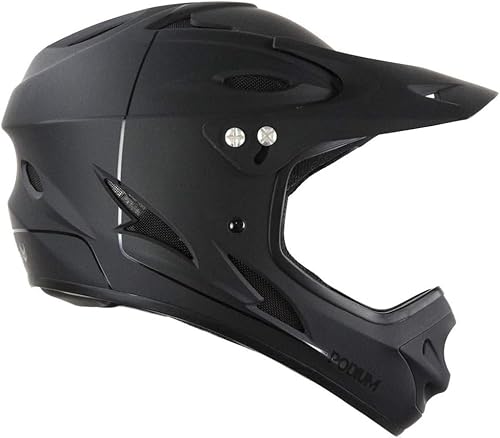
The Demon Podium Full Face Black variant emphasizes a classic downhill-ready design with a robust EPS liner and a polycarbonate outer shell. It features a removable, washable liner for easy care and 13 vents to support airflow during hot rides. A fully adjustable visor with securing screws provides protection against sun glare and wind, while the goggle strap channel helps keep eye protection in place during technical descents. This model balances rugged protection with practical maintenance for riders who demand durability on rugged trails.
As with other Podium models, fit and strap adjustment are critical to ensuring the helmet stays in place through rough terrain, jumps, and fast corners. Regular cleaning and inspection of vent openings will help maintain optimal airflow and comfort during peak riding seasons.
Buying Guide
Key considerations when selecting a full-face mountain bike helmet include safety technology, fit and sizing, ventilation, weight, chin protection, and maintenance needs. Here are practical guidance points to help compare options across brands and models.
- Safety technology: Look for MIPS or similar rotational-force reduction systems, along with a solid EPS liner and an impact-absorbing chin bar. Helmets with multiple certifications and downhill ratings typically provide added assurance for aggressive riding.
- Fit and sizing: Most helmets specify a head circumference range. Choose a size with adjustable straps and, if possible, removable or adjustable padding to tailor the interior to your head shape for even pressure distribution.
- Ventilation and weight: Higher vent counts generally improve cooling but can influence weight. Lightweight helmets reduce neck fatigue on long descents but ensure the shell remains durable and protective.
- Chin guard and padding: Removable chin pads offer comfort customization and easier cleaning. A secure, snug chin strap helps keep the helmet aligned during rough terrain and jumps.
- Visor design and goggles: An adjustable visor and goggle compatibility are important for sun and wind management. Visor screws should be robust to resist loosening during impacts.
- Maintenance: Removable liners and pads simplify cleaning, improving hygiene and comfort on sweaty rides. Regularly inspect the outer shell and foam liner for signs of wear or cracking.
- Intended riding style: Downhill students may prioritize ventilation and weight slightly differently than riders who ride aggressive enduro or park days. Choose a model whose balance fits your typical trail profile.
- Color and visibility: Brighter colors can improve visibility on the trail, reducing collision risk. Consider color for both personal preference and trail etiquette.
In practice, compare at least a few features across models: MIPS vs non-MIPS, vent counts, helmet weight, and whether chin pads are removable. While all five helmets in this guide emphasize protection for high-speed terrain, your best choice will depend on your head size, climate, and how you prioritize ventilation versus rugged durability. For riders who frequently descend steep terrains with variable weather, a MIPS-equipped, well-ventilated model with comfortable padding is a strong long-term option. Always ensure proper fit before hitting the trail to maximize both safety and comfort.