Riders seeking more range and speed on their mountain bikes can consider engine kits designed for common 26-inch and 28-inch frames. The following five options emphasize durability, ease of installation, and reliable performance in real-world conditions. Here is a concise overview before deeper product sections and practical buying considerations.
| Product | Brand | Engine | Drive | Notes |
|---|---|---|---|---|
| YSHUSTGY 100cc | YSHUSTGY | 100cc 4-Stroke | Double Belt | Air-Cooled |
| ZBXGJKSY 100cc | ZBXGJKSY | 100cc 2-Stroke | Chain | 2L Tank |
| CUBELLIN 110cc | CUBELLIN | 110cc 2-Stroke | Chain | Up to 55km/h |
| GOSHET 100cc | GOSHET | 100cc 4-Stroke | Chain | 50km/h; Hand Start |
| Fenjidrop 100cc Belt | Fenjidrop | 100cc 4-Stroke | Belt | Hand Start; 0.52 gal |
YSHUSTGY 100cc Engine Kit For Mountain Bikes

The YSHUSTGY 100cc engine kit emphasizes durability with an aluminum engine shell and a corrosion-resistant iron fuel tank finished in baking paint. Its 415# steel chain features a rust-preventing shot blasting process, paired with a rubber and nylon belt for enhanced wear resistance. The system supports up to 440 pounds, contributing to a robust, long-lasting upgrade for mountain, road, gravel, or beach bikes. Operating power is a solid 3.5HP from a 100cc displacement, with a maximum RPM of 3600 and a top speed around 50 km/h. The tank holds approximately 0.52 gallons (0.52 gal), enabling longer rides between refuels. Installation requires attention to frame clearance and proper belt/chain tension, but the kit is designed for straightforward mounting on many standard bikes.
Key considerations include compatibility with 26″ and 28″ wheels, ensuring the drive system can be fitted alongside the existing drivetrain, and following the included break-in procedures. The kit’s airflow cooling helps keep temperatures stable under peak loads, making it a reliable option for riders who anticipate sustained acceleration and steady climbs on varied terrain.
ZBXGJKSY 100cc Motorized Bike Kit

The ZBXGJKSY 100cc motorized kit delivers a compact, high-efficiency package with a 100cc two-stroke engine and air cooling, coupled with a CDI ignition system. Maximum speed is around 45 km/h (28 mph), making it a nimble option for casual cruising and daily commuting. The kit includes a 2-liter fuel tank, which reduces the frequency of refueling on longer rides. It supports a substantial rider and load capacity, rated up to 440 lbs, and is designed to fit most 26-inch or 28-inch bicycles. The break-in and fuel mix guidelines (specific ratios for two-stroke operation) should be followed for optimal longevity and performance. Expect a moderate noise level (around 75 dB) typical of two-stroke setups.
When planning installation, verify frame compatibility, ensure clearance for the engine and exhaust, and prepare for a clean mounting surface. Regular maintenance of the CDI system and fuel lines will help sustain consistent performance across varied terrain.
CUBELLIN 110cc Bicycle Engine Kit

The CUBELLIN 110cc kit offers a higher displacement option with a 2-stroke design and a strong performance ceiling of about 55 km/h. With an engine capable of up to 6000 RPM, this kit is tuned for quick acceleration and efficient power delivery on city streets and light off-road sections. A 2-liter fuel tank supports longer errands between fills, while the chain-drive configuration ensures reliable power transfer to the rear wheel. The 110cc class delivers a noticeable boost in hill climbing and sustained speed on diverse terrain. As with other kits, verify frame compatibility, wheel size, and chain tension during installation to prevent drivetrain interference on mountain trails.
Maintenance considerations include keeping air filtration clean and monitoring the fuel-oil mixture for two-stroke operation, particularly during the initial break-in period. Users should also anticipate higher exhaust temperatures and plan for adequate heat dissipation on longer climbs.
GOSHET 100cc Bike Engine Kit
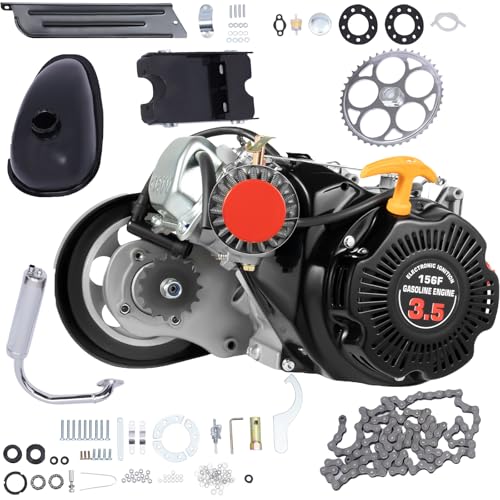
The GOSHET kit features a rugged 100cc, 4-stroke design with a maximum power near 3.5HP and a rated speed of about 3600 RPM, yielding a practical top speed around 50 km/h. The engine’s large fuel tank (~0.52 gallons) supports extended rides between refueling, while a sturdy aluminum housing and a shot-blasted steel chain underpin long-term durability. The kit uses a hand-start mechanism and a chain-drive system, which offers familiar operation for riders who prioritize reliability and straightforward maintenance. This setup is well-suited for riders who want solid mountain or mixed-terrain performance without advanced starting procedures.
installation tips include ensuring frame clearance, maintaining proper chain tension, and confirming the mounting points align with standard 26″ or 28″ bike frames. Regular inspection of the engine casing and mount points helps prevent vibration-induced wear on rugged trails.
Fenjidrop 100cc Belt Type Engine Kit
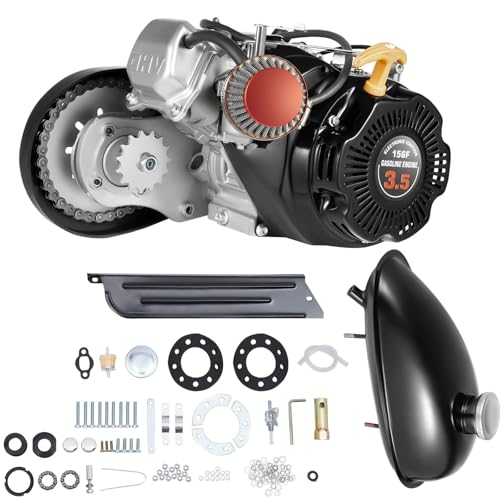
The Fenjidrop belt-type kit centers on a 100cc four-stroke engine with a belt-driven powertrain for smoother, quieter engagement than some chain setups. It uses an air-cooled design and a robust 3.5HP output with a 3600 RPM rating, enabling a top speed near 50 km/h. The engine housing is built for durability, with a 0.52-gallon fuel capacity that helps reduce refueling frequency on longer rides. The kit includes a hand-start mechanism, which can be advantageous for riders who prefer a straightforward, low-efficiency start method. Belt drives typically offer quieter operation and easier belt maintenance compared to some chain configurations.
When installing, ensure belt alignment and adequate clearance around the frame to avoid rubbing on suspension components or tires. Proper tension and periodic inspection of belt wear will extend the life of the kit and maintain consistent performance on trails, gravel, and road segments alike.
Buying Guide
Key factors to consider when choosing a mountain bike engine kit
- Engine displacement and type: 100cc versus 110cc, and 2-stroke versus 4-stroke. Higher displacement or a 2-stroke setup can yield quicker acceleration, while 4-stroke designs may prioritize longevity and steadier torque.
- Drive system: Belt vs chain. Belt drives tend to be quieter and require less frequent maintenance, while chain drives can deliver robust torque but may need more regular lubrication and tension checks.
- Fuel capacity and efficiency: Tanks around 0.52 gallons (2 L) support longer rides between refills, but actual range depends on style and terrain. Consider fuel mixture requirements for two-stroke engines if applicable.
- Starting method: Hand start versus pedal start. Hand-start systems are common on gas-powered bikes, while pedal-start variants may integrate with existing bicycle cranks.
- Weight capacity and frame compatibility: Ensure the kit’s weight rating (often around 440 lbs total load) aligns with rider weight and cargo, and confirm compatibility with your bike’s frame and wheel size (26″ or 28″).
- Installation and maintenance: Many kits assume basic mechanical know-how. Review mounting points, required tools, and any required professional help for safe integration with your frame.
- Noise and emissions: Two-stroke engines are typically louder and may emit more exhaust; four-stroke kits tend to be quieter and steadier for urban or park riding.
- Fuel mix and lubrication: For two-stroke systems, follow prescribed oil-to-fuel ratios during break-in and ongoing operation to optimize longevity and prevent engine scoring.
- Regulatory considerations: Check local laws on motorized bicycles, helmet requirements, and road usage rules to ensure compliant use in your area.