Upgrading a motorized bike’s rear gearing can unlock better torque, smoother acceleration, and higher efficiency. The right rear sprocket must fit your chain size, hub, and engine displacement while matching your riding goals. Below are five compatible options that cover common setups from 49cc to 80cc engines, with different tooth counts and mounting configurations to suit a range of builds. Use the buying guide after the product details to pick the best choice for your bike.
| Product | Teeth | Fit Notes |
|---|---|---|
| JRL Wheel Sprocket 36T | 36 | Fits 49cc-80cc bikes; includes mounting pad compatibility |
| Sthus 32T Chain Wheel Sprocket | 32 | Includes 9-hole mount kit with pads; 49cc-80cc range |
| JRL Wheel Sprocket 32T (415 Chain) | 32 | 415 chain; mounting pads and 9-hole kit; CNC options |
| Simachine CNC Adapter 32T Sprocket | 32 | Adapters for 1″ or 1.5″ hubs; includes reducer gaskets |
| AlveyTech 40T Rear Sprocket | 40 | Fits 40/41/420 chains; 4-bolt pattern; alloy, black finish |
JRL Wheel Sprocket 36T

This 36-tooth rear sprocket from JRL is designed for 49cc-80cc motorized bicycles and mopeds. The package includes one sprocket and supports a broad range of mounting options, including rear sprocket mounting pads, a 9-hole mounting kit, CNC 3-hole sprockets, and rear hub disc brake ball bearings. The 36T size provides a balanced gearing option, offering robust torque for hills while maintaining reasonable top speed when paired with the engine and chain. It is compatible with standard drive chains used on small-displacement gas bikes.
Sthus 32T Chain Wheel Sprocket
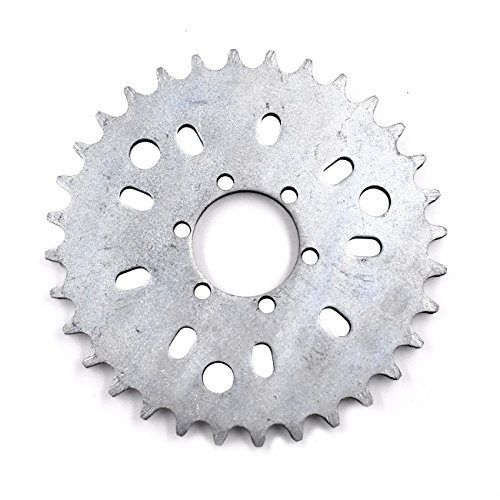
The sthus 32T rear sprocket is designed for 49cc-80cc motorized bicycles and mopeds. The 32-tooth gearing provides a torque-rich option ideal for climbing and starting from stops. The package includes the sprocket and a 9-hole mount kit with mounting pads, making installation straightforward on compatible bikes. It is crafted to work with common sprocket assemblies in this engine class and pairs well with 49cc-80cc builds that use standard drive chains. Ensure your chain size aligns with the 32T design.
JRL Wheel Sprocket 32T (415 Chain)

This 32-tooth JRL sprocket is tailored for 49cc-80cc motorized bicycles using a 415 chain. It includes a single sprocket and supports rear sprocket mounting pads, a 9-hole mounting kit, and CNC 3-hole options, along with compatibility for rear hub disc brakes and bearings. The 32T size offers a solid middle ground between propulsion and speed, making it a versatile upgrade option for riders who want reliable torque without sacrificing too much top-end performance. Always verify chain type and hub compatibility before installation.
Simachine CNC Adapter 32T Sprocket

This CNC adapter is designed for 1″ (25 mm) or 1.5″ (38 mm) rear hubs on 49cc-80cc two-stroke motorized bicycles. The kit includes a 32T sprocket, one CNC adaptor, and two CNC reducing gaskets to accommodate different hub widths. It’s a practical option for builders upgrading older bikes or standardizing gearing with a common 32T setup. For precise compatibility, refer to the product photos for hub dimensions and mounting details.
AlveyTech 40T Rear Sprocket

The AlveyTech 40T Rear Sprocket is designed for 40/41/420 chain configurations, making it a versatile choice for various mini bikes and motorized bicycles. With a 6.50″ overall diameter and four-bolt mounting, it uses a 3.16″ center-to-center bolt spacing and a 1.57″ center hole. Constructed from precision-machined alloy and finished in black anodize for rust resistance, the 40-tooth design emphasizes higher top speed while maintaining solid durability for everyday use on small-displacement builds.
Buying Guide
When selecting a rear sprocket for a motorized bike, focus on gearing goals, chain compatibility, hub and mounting compatibility, and durability. The right choice balances torque for takeoffs and climbing with acceptable top speed for your riding style.
- Teeth count and gearing options: 32T provides strong torque for hills, 36T balances torque and speed, and 40T favors top speed. Your terrain and preferred acceleration will determine the best option.
- Chain compatibility: identify whether your drive uses 415, 420, or #40 chains. Sprockets must match the chain size to ensure proper meshing and safety.
- Hub compatibility and mounting: confirm hub width, center bore, and mounting pattern (nine-hole, CNC 3-hole, four-bolt, or adapters) to ensure a proper fit on your wheel.
- Material and finish: aluminum alloy sprockets with black anodized finishes resist corrosion and wear; steel options may be cheaper but heavier.
- Inclusions and installation ease: some packages include mounting pads, gaskets, or adapters; others require separate components. Consider your tool set and installation comfort level.
- Engine size and bike type: ensure the sprocket is intended for 49cc-80cc engines and compatible with your bike model (minibike, go-kart, scooter, or utility bike).
- Maintenance and safety: regular inspection of teeth wear, proper chain tension, and lubrication extend sprocket life and maintain reliable engagement.
Practical Considerations
When choosing between 32T, 36T, and 40T, consider not only terrain but also your chain type and wheel fit. A 32T setup is best for steep climbs and heavy loads, a 36T is versatile for mixed commuting, and a 40T setup improves top speed at the cost of some torque. If you’re unsure, starting with a 36T ballpark and adjusting based on ride feel is a sensible approach.
Installation Tips
- Verify chain compatibility before mounting; mismatched chain and sprocket can cause slipping or rapid wear.
- Check hub compatibility and mount pattern, ensuring bolts are torqued to manufacturer recommendations.
- Align the rear sprocket with the drive chain to prevent derailment; ensure proper chain tension after installation.
- Inspect mounting pads and gaskets for wear and replace as needed to maintain secure alignment.
- Test ride at low speed after installation to confirm smooth engagement and absence of abnormal noise.
This selection offers options across common rear-gear configurations, helping riders tailor their motorized bike’s performance to local terrain and usage. Always follow manufacturer instructions for installation, safety, and maintenance to maximize the life and reliability of your gearing upgrade.