Finding the most comfortable road bike saddle can transform long rides, reducing numbness and fatigue while boosting endurance. This guide highlights five top-sellers that emphasize memory foam comfort, ergonomic support, and breathable design for both men and women on road and mixed terrain.
Below you will find concise product summaries and a buying guide to help riders compare fit, padding, materials, and features such as shock absorption and visibility. All selections prioritize comfort, durability, and ride quality across different body types and riding styles.
| Product | Brand | Key Benefit |
|---|---|---|
| Wittkop Five‑Zone Comfort Road Saddle | Wittkop | Ergonomic 5-zone memory foam support |
| DAWAY C66 Comfort Bike Saddle | DAWAY | Memory foam with built-in taillight |
| KOOTU Road Bike Saddle | KOOTU | Central hollow design for airflow |
| VELMIA Memory Foam Saddle | VELMIA | Ventilated, waterproof memory foam |
| ROCKBROS Three‑Zone Comfort Saddle | ROCKBROS | Three‑zone support with memory foam |
Wittkop Five-Zone Comfort Road Saddle
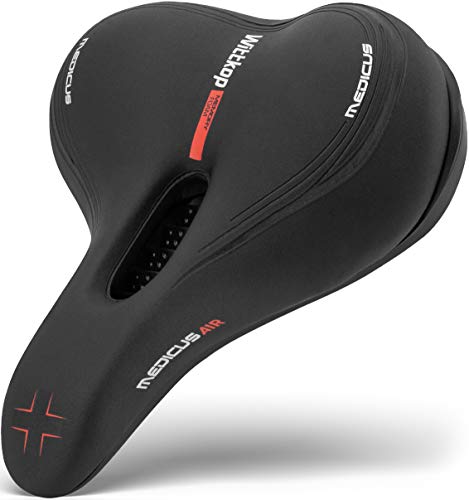
The Wittkop bike seat uses high-quality memory foam that molds to the rider’s body, delivering tailored comfort for both men and women. The wide profile supports sit bones across longer road sessions and mountain routes, helping to distribute weight evenly and reduce pressure points.
Its innovative 5-zone concept provides targeted ergonomic support across the sit bones, inner thighs, and perineal area. This design aims to minimize pressure and numbness during extended rides. An enhanced airflow system complements the cushioning, helping to stay cooler on warm days without sacrificing ride stability or durability.
DAWAY C66 Comfort Bike Saddle

The DAWAY C66 emphasizes supreme comfort with memory foam padding and a shockproof design, offering a soft yet resilient surface for long-distance riding. The saddle surface is designed to reduce friction and support the pelvis during hours in the saddle, making it suitable for road, touring, and mixed terrains.
Designed for freedom of movement, the C66 features a narrow front to help the thighs clear the saddle during pedaling, plus a hollow mid-section to improve airflow and reduce heat buildup. A built-in bright waterproof taillight adds visibility and safety for night riding or in wet weather, consolidating safety features with comfort in a single package.
KOOTU Road Bike Saddle

The KOOTU saddle features a central hollow structure to increase air circulation and reduce pressure, promoting comfortable long-distance riding. Its width of 5.51 inches and streamlined profile support a balanced seating position while allowing leg movement for efficient pedaling on road or gravel.
Built to handle varied terrain, KOOTU uses a CR-MO chrome molybdenum steel rail with a shock-absorbing arch design, offering flexibility and resilience. The waterproof fabric and slow-rebound memory foam provide a durable, comfortable surface that withstands weather and frequent rides with minimal maintenance.
VELMIA Memory Foam Saddle

VELMIA’s saddle is designed in Germany and uses a premium memory foam layer that conforms to body contours, delivering decompression comfort for both men and women on road, BMX, and MTB setups. The foam aids pressure relief while maintaining a soft, supportive feel over long distances.
A key feature is the ventilation slot, which helps maintain airflow and regulate temperature during extended sessions. The saddle is marketed as 100 percent waterproof with welded seams, ensuring resilience in wet conditions and reliable performance across seasons.
ROCKBROS Three-Zone Comfort Saddle

ROCKBROS combines a three-zone concept with memory foam to deliver targeted support across the pelvis, thighs, and perineal area. The design aims to balance padding with pressure distribution to minimize soreness on long spins and steep climbs.
The saddle includes dual shock-absorbing balls under the seat to cushion impacts from road irregularities, plus a waterproof surface and dense anti-slip texture. This combination supports stability and comfort during damp rides or fast descents, making it a versatile option for diverse road conditions.
Buying Guide
Choosing the right saddle depends on fit, geometry, and how you ride. The following considerations cover multiple perspectives to help you make an informed choice based on comfort, performance, and durability.
Sizing And Fit
Rider width at the sit bones (ischial tuberosities) is a primary factor. Saddles come in various widths; a too-narrow model can pinch, while a too-wide option may cause chafing. Look for a saddle width that matches your sit-bone distance and a profile that aligns with your pelvic tilt and riding posture. Women-specific designs often feature different cutouts and widths to accommodate broader hips.
Padding And Foam
Memory foam padding adapts to body contours for personalized comfort, but density matters. Softer foams can feel plush initially but may compress quicker under heavy pressure. Higher-density foams maintain shape but still cushion pressure points. Consider a testing period with a saddle that offers a gentle transition from initial padding to long-term support.
Design And Comfort Zones
Many modern saddles use cutouts or multi-zone designs (such as the 5-zone concept) to relieve pressure on sensitive areas while supporting sit bones. Central hollows or channels boost ventilation and reduce heat buildup. Choose a design that matches your seating habits and preferred riding position, whether aggressive on the road or more relaxed on casual spins.
Ventilation And Weather Resistance
A well-ventilated saddle reduces sweating and discomfort on long rides. Perforations, slots, and airflow channels help, especially when training in warm climates. Waterproof materials and welded seams extend saddle life in wet weather, minimizing maintenance and preserving padding integrity over time.
Materials And Durability
Synthetic covers (PU or microfiber) are common for durability and ease of cleaning, while leather covers offer classic feel but require more care. Look for reinforced rails and strong padding that resist compression after miles of use. Durability also depends on the rail material (eg, CR-MO steel) and the attachment system to the bike’s seat post.
Rail Type And Shock Absorption
Rail types influence ride feel and compatibility with seat posts. Chrome molybdenum rails are common and provide solid support with some flex. Some saddles include shock-absorbing rails or dual-ball designs to dampen road shocks, improving comfort on rough pavement and long rides.
Special Features And Value
Extras like built-in taillights, reflective surfaces, or adjustable setback can enhance safety and versatility. Consider whether these features align with your riding environment and maintenance preferences. The best value arises when features match your priorities without excessive bulk or weight.
Maintenance And Longevity
Regular cleaning and lightweight conditioning (where applicable) extend saddle life. Check for stitching wear, padding compression, and rail integrity after long rides or collisions with obstacles. A well-maintained saddle preserves comfort and performance across seasons.
In summary, the right saddle blends fit, padding, ventilation, and durability with your riding style. Testing different designs—especially those with ergonomic zones and breathable materials—will help you identify the model that keeps you comfortable on road miles, mountain ascents, and daily commutes alike.