For growing families, a well‑matched mom and baby bike setup can turn everyday outings into active, safe adventures. The right balance bike or tricycle lets toddlers explore motion with confidence, while a parent‑push option ensures guardians can guide and comfort during learning days. This guide highlights five top-rated bikes designed for ages from roughly 12 months to 3 years, combining balance training, safety features, and easy adjustability. Each model supports growth, indoor and outdoor use, and simple maintenance, helping parents invest in a ride that stays useful as a child develops.
Below is a concise summary of the five selected products, followed by in‑depth reviews. All options emphasize stability, kid‑friendly design, and practical features that parents value for safe practice and joyful exploration.
| Product | Brand | Key Benefit |
|---|---|---|
| Newyoo TR008 Tricycle | newyoo | Five modes; parent push handle; adjustable components |
| SEREED Baby Balance Bike | SEREED | No pedals; safe 135° turns; indoor/outdoor versatility |
| Gamfeiny Colorful Lighting Balance Bike | Gamfeiny | Glowing rear wheel; no batteries needed; age 10–36 months |
| Little Dove Balance Bike | little dove | Astm F963‑23 certified; enclosed wheels; lightweight frame |
| Retrospec Cricket Balance Bike | Retrospec | Beginner ride; durable wheels; indoor/outdoor use |
Newyoo TR008 Tricycle For Toddlers
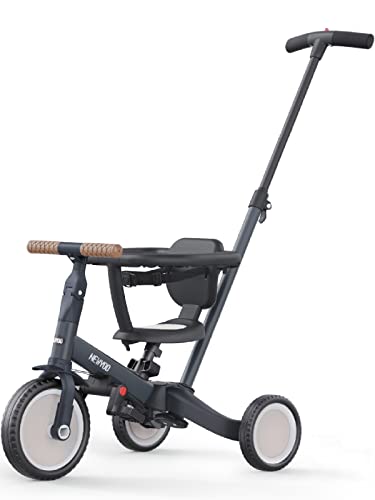
The Newyoo TR008 Tricycle is designed to grow with your child from ages 1 through 3, offering five modes that convert from a parent‑guided push tricycle to a standalone bike. This versatility supports gradual skill development, from balance to independent pedaling. A 135‑degree steering range helps parents steer safely, while the push handle can be adjusted to match caregiver height, ensuring comfortable guidance during early practice sessions. The design also includes an adjustable handlebar, seat, and pedals to accommodate growth and different modes, making it a single, adaptable ride for multiple stages of toddler mobility.
- Five modes: Push Tricycle, Push Balance Bike, Tricycle, Balance Bike, and Bike
- Parent push handle with 135° steering range for control
- Adjustable handlebar, seat, and pedals for growing children
- Height‑adjustable to fit with caregiver height
- Overall sturdy frame suited for indoor and outdoor use
SEREED Baby Balance Bike For 1–2 Year Olds
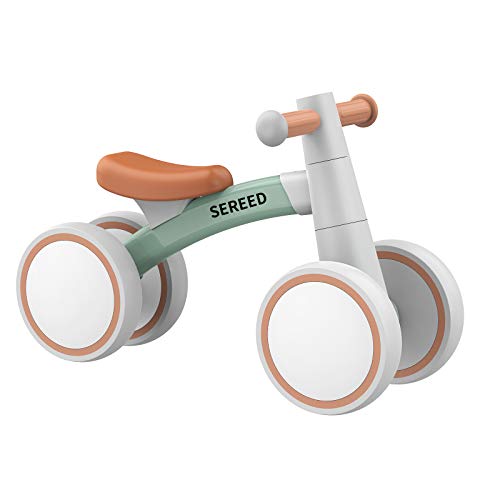
The SEREED balance bike is built for early riders aged 12–24 months, emphasizing safe balance training with a four‑wheel, pedal‑free design. The fully widened closed wheels prevent feet from getting pinched, while a 135° turning limit and gravity steering help prevent tumbles during corners, making turns smoother without leaving the ground. The lightweight aluminum alloy frame, non‑slip TPU handle, and a softly cushioned seat provide durable comfort for both indoor and outdoor practice. This model focuses on confidence building in the critical first learning months of walking and riding.
- Ages 12–24 months; no pedals for balance learning
- Four wide, closed wheels for foot safety
- 135° turning limit; gravity steering for stability
- Aluminum alloy frame; non‑slip TPU handle; soft seat
- Suitable for indoor and outdoor use
Gamfeiny Colorful Lighting Balance Bike

Gamfeiny’s balance bike blends play and practice with a captivating, glow‑in‑the‑dark rear wheel. Designed for ages 10–36 months, it operates with a no‑pedal model that promotes balance, steering, and confidence while riding. The wheel lights glow when spun, and no batteries are required, meaning simple setup and ongoing use. The bike relies on a sturdy, kid‑friendly structure with a focus on safety and fun, supporting early mobility without the complexity of pedals. It’s a playful option for parents seeking a visually engaging way to encourage movement.
- Colorful rear wheel lighting; no batteries needed
- Ages 10–36 months; no pedals for balance training
- Wide wheels and a soft seat for comfort
- Safe operation with 135° steering limit
- Lightweight and easy to maneuver
Little Dove Balance Bike For 12–24 Months

Little Dove’s balance bike targets the 12–24 month window with four silent wheels and a no‑pedal design that helps toddlers transition from walking to riding. The bike emphasizes safety with a 135° steering limiter and fully enclosed wheels to protect little feet. Built from a durable carbon steel frame, it pairs a cushy PU seat with soft TPR handlebars for comfortable grip. Certified for safety (ASTM F963‑23 in many variants), it’s designed to support kids up to about 55 lbs. The overall setup is lightweight and easy to maneuver, making it a practical first ride‑on toy for small homes or apartments.
- Ages 12–24 months; no pedals for early balance work
- 135° steering limiter; enclosed wheels for safety
- Carbon steel frame; PU seat; TPR handlebars
- Supports up to about 55 lbs; ASTM F963‑23 certified
- Lightweight and easy to move indoors or outdoors
Retrospec Cricket Balance Bike For Ages 12–24 Months
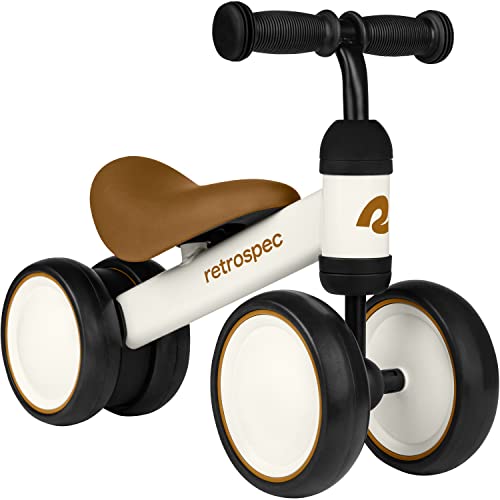
The Retrospec Cricket balance bike is tailored for beginning riders aged 12–24 months, offering a gentle introduction to motion and balance. It emphasizes safety and durability, with non‑slip wheels and a design that keeps feet on the ground during practice. The bike is structured to help toddlers develop essential motor skills while staying grounded, which helps parents gauge readiness for more complex movements. Its scratch‑resistant wheels protect floors and provide reliable performance on various surfaces, supporting confidence in both indoor playrooms and outdoor patios.
- Beginner bike for ages 12–24 months
- Non‑slip wheels; scratch‑resistant for floor protection
- Foot‑on‑the‑ground control for safety
- Durable, kid‑friendly construction for both indoor and outdoor use
- Supports early motor skill development
Buying Guide
Age Range And Growth Trajectory
Start with models suited for your child’s current age, but look for bikes that adjust as they grow. Many balance bikes are designed for 12–24 months, while others accommodate up to 36 months or beyond. A device with adjustable seat height, handlebar position, and, in some cases, a parent push handle, helps extend usability across stages of motor development.
Pedals, No Pedals, And Mode Flexibility
No‑pedal balance bikes encourage early balance and coordination, while pedal‑equipped trikes or multi‑mode bikes introduce optional pedaling as confidence builds. If possible, choose a model with multiple modes or easy mode transitions to reduce the number of purchases as your child transitions from walking to balancing to pedaling.
Safety Features And Build Quality
Key safety features include a 135° steering limiter to prevent sharp turns, fully enclosed or non‑clamping wheels to protect tiny feet, and a stable wheelbase. Durable frames—often aluminum or steel—plus non‑slip handles and padded seats contribute to a secure ride. For homes with laminate or carpeted floors, scratch‑resistant wheels can help protect surfaces while maintaining performance.
Adjustability And Longevity
Adjustable handlebars, seats, and pedals extend the life of a bike as a child grows. Look for models with easy, tool‑free adjustments and a compact footprint for storage. A parent push handle is a major plus for early learners who still need guidance during rides outside the home.
Indoor Versus Outdoor Use
Many starter bikes are designed for both indoor and outdoor use, but it’s worth noting that some wheels are optimized for smooth surfaces indoors, while others handle uneven pavement. Consider where you’ll ride most often when selecting tread width, wheel materials, and overall weight.
Maintenance, Safety Standards, And Warranty
Simple maintenance routines—checking bolts, cleaning wheels, and ensuring the seat is secure—help sustain performance. Some products reference safety standards (for example ASTM F963‑23) and come with warranties that can influence long‑term value. Always verify the latest safety certifications and manufacturer guidance before purchase.
Weight, Portability, And Storage
Lower weight bikes are easier to carry upstairs or into the car for outings. Foldable or compact designs can save space in small homes. If you travel frequently with your child’s bike, weigh the unit and assess whether it will fit your vehicle and lifestyle.
Brand Confidence And After‑Sales Support
Brand reputation matters for longevity and customer service. Review product warranties, replacement parts availability, and user feedback about assembly or use in real life. A bike with accessible replacement parts and helpful support can reduce total ownership costs and frustration.
Comparative Snapshot
Among these options, the Newyoo TR008 stands out for its five modes and parent push handle, offering comprehensive growth support. SEREED and Retrospec Cricket focus on safe, no‑pedal balance learning with robust wheel designs. Gamfeiny adds a playful glow that can motivate early riders, while Little Dove emphasizes safety certification and a sturdy, lightweight build. When choosing, weigh the balance of growth potential, safety features, and how well the bike fits your family’s typical riding places.