Choosing a mini dirt bike for a 12-year-old involves balancing power, size, and safety. The models below offer a range of engines—from 40cc to 105cc—paired with easy-start or automatic transmissions to help young riders build confidence. This guide compares five popular options to help parents pick a bike that matches a growing rider’s skills and enthusiasm. Consider terrain, rider height, and the bike’s weight capacity when deciding which model fits best for a first or second dirt bike.
| Product | Brand | Engine (cc) | Top Speed | Age Range | Weight Capacity |
|---|---|---|---|---|---|
| NAKTO 50cc Dirt Bike For Kids | NAKTO | 50 | Up to 40 MPH | 5–17 | Not specified |
| Shulemin 50cc Kids Dirt Bike | Shulemin | 50 | Not specified | 8–15 | Not specified |
| FRP 99 CC Gas Mini Dirt Bike | FRP | 99 | 24 MPH | 13+ | 185 lbs |
| Oryxearth 105cc Dirt Off Road Trail | Oryxearth | 105 | 28 MPH | 13+ | 185 lbs |
| X-PRO Hawk Mini Dirt Bike | X-PRO | 40 | 22 MPH | Beginner/kids | Not specified |
NAKTO 50cc Dirt Bike For Kids
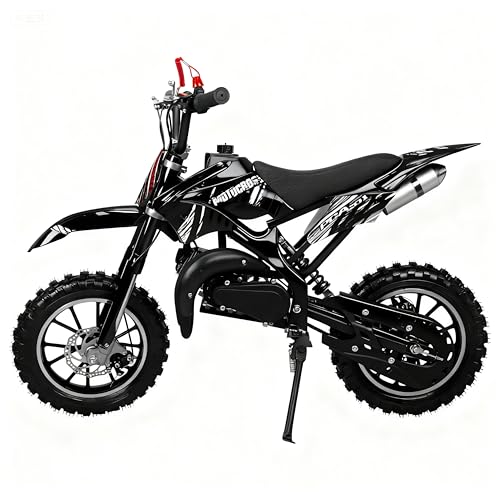
The NAKTO 50cc Dirt Bike is designed specifically for kids ages 5 to 17, offering an ergonomic structure that reduces rider fatigue on longer sessions. It features a robust, high-strength steel frame and front and rear disc brakes to improve stopping power on dirt or uneven surfaces. A triple power-off protection mechanism helps prevent unintended starts, a key safety feature for younger riders. The bike’s 10-inch off-road tires and comfortable seat support controlled handling on varied terrain, helping new riders develop balance and confidence. The engine is a 50cc two-stroke unit, known for a lively but controllable power delivery and straightforward maintenance.
Handling and ease of use are emphasized with a straightforward starting process—typically a few pulls to ignite. The NAKTO bike prioritizes a stable ride for beginners while offering enough power for backyard trails or light off-road adventures. For parents, ensure the rider’s height and reach allow flat-footed stopping and comfortable control of the handlebars. Regular maintenance checks—fuel, air filter, and chain tension—keep the bike dependable during growth spurts. This model blends approachable power with safety features, making it a practical starter bike for a 12-year-old transitioning from beginner to more capable riding.
Shulemin 50cc Kids Dirt Bike

The Shulemin 50cc Kids Dirt Bike targets younger riders (ages 8–15) with a focus on stability and safety. It features a reinforced 40×20 square tube frame and a redesigned suspension setup, reducing sway and improving handling on rough terrain. Dual front and rear disc brakes provide solid stopping power, while 10-inch off-road tires offer grip across dirt, mud, and grass. Powered by a 50cc two-stroke engine, the bike delivers a balanced amount of torque for easier learning and confidence-building during climbs and turns. The compact design suits shorter riders, and the bike’s overall balance supports safer, more controlled practice sessions.
As a learning tool, the Shulemin bike emphasizes predictability in throttle response and braking, helping riders master fundamentals without overwhelming acceleration. For parents, evaluate rider height and inseam to ensure the rider can reach the ground comfortably and operate controls without overreaching. Regular maintenance—spark plug checks, throttle linkage, and fuel quality—helps sustain reliable performance. The Shulemin model provides a gentle yet engaging platform for a 12-year-old to grow from basic riding to more advanced dirt-trail skills over time.
FRP 99 CC Gas Mini Dirt Bike

The FRP 99cc gas-powered mini bike offers a bit more power with a 4-stroke engine and an estimated top speed of up to 24 mph. It supports riders up to 185 pounds and has a 0.36-gallon gas tank, which translates into longer rides between refuels. Notably, it includes a rechargeable LED headlight for better visibility and a neck gaiter for extra protection on off-road runs. The bike requires 15W-40 high-viscosity oil for optimal performance, and it’s designed to start with a simple pull-start routine—typically three pulls—avoiding complex ignition steps. A key advantage is the long-range capability for endurance sessions on trails.
Operating considerations for a 12-year-old include checking the rider’s height and leg length to ensure proper ground clearance and comfortable control. The 99cc displacement provides more responsive power than smaller engines, so supervision during initial rides is advisable to teach throttle control and braking smoothly. This model’s combination of visibility features, sufficient power, and a practical fuel range makes it a compelling option for steady progression from a beginner to a more confident rider while staying within a manageable power band.
Oryxearth 105cc Dirt Off Road Trail

The Oryxearth 105cc mini dirt bike is a versatile option for teens and adults, with a 105cc four-stroke engine delivering about 3.5 horsepower. It tops out around 28 mph and is designed to accommodate riders up to about 185 pounds. The bike features a fully automatic chain transmission with a pull-start system, combining easy usability with reliable performance for newcomers and intermediate riders alike. A durable, sturdy frame supports off-road use, and the braking system includes a rear disc brake for confident stopping on variable terrain. The fuel tank capacity is modest, but the overall efficiency supports practical ride times on family dirt trails.
For a 12-year-old growing into more ambitious rides, the Oryxearth 105cc presents a solid bridge between entry-level machines and larger, adult-oriented bikes. Safety considerations include ensuring the rider can reach the handlebars and ground comfortably, and that protective gear is in use at all times. Regular checks on engine oil (as required), transmission operation, and brake performance will help maintain consistent handling. This model’s combination of power, reliability, and a user-friendly transmission makes it a strong candidate for riders who are ready to advance beyond beginner bikes.
X-PRO Hawk Mini Dirt Bike

The X-PRO Hawk Mini Dirt Bike provides a compact option with a 40cc four-stroke engine and a fully automatic chain drive system, delivering reliable performance and simple operation for beginners. A top speed of about 22 mph makes it appropriately challenging for younger riders without overwhelming them. The smaller engine and lighter weight contribute to easier handling, ideal for riders just starting out or practicing on smaller tracks. The 10-inch wheels add stability on uneven surfaces, helping a 12-year-old build balance and confidence during early off-road sessions.
Safety and maintenance considerations for the X-PRO Hawk include ensuring the young rider has adequate protective gear and a clear, flat riding area during initial sessions. Regular inspection of the throttle, brakes, and tires will help maintain predictable acceleration and stopping power. This model’s approachable power level and straightforward maintenance approach make it a practical choice for a rider who is just beginning to explore dirt trails while keeping control centered on progress and safety.
Buying Guide
Engine size and rider age
Engine displacement is a primary driver of power and handling. Smaller engines (40–50cc) are typically best for beginners and younger riders, offering gentle acceleration and a forgiving learning curve. Mid-range options (around 105cc) suit older children and teens who’ve gained confidence and require more torque for climbs. For a 12-year-old, consider a bike that stays within the 40–50cc range for early weeks, then transition to larger engines (60–105cc) as skills improve. Always align engine choice with the rider’s height, weight, and riding experience.
Transmission and starting systems
Automatic transmissions and pull-start designs are particularly friendly for beginners, reducing the number of manual controls a child must manage. A fully automatic chain drive, like the X-PRO Hawk, minimizes shifting distractions and helps learners focus on throttle control and braking. In contrast, some 50cc bikes use traditional manual starting or two-stroke designs that require more hands-on maintenance. Choose a bike that matches the rider’s comfort level and your preferred level of ongoing maintenance.
Braking, safety, and durability
Disc brakes—front and rear—are a strong safety feature on dirt bikes for kids, providing reliable stopping power on dirt and gravel. A sturdy steel frame and quality tires improve overall stability and resilience on uneven terrain. For younger riders, features such as protective gear compatibility, low step-through height, and a balanced weight distribution help prevent tip-overs and encourage safe practice. Evaluate how easy it is to inspect brakes and frame components after rides, especially on bikes designed for entry-level use.
Maintenance, fuel, and parts availability
Maintenance needs vary by engine type. Four-stroke bikes generally require straightforward oil checks and occasional maintenance, while two-stroke engines may require fuel-mueling awareness and more frequent tune-ups. Consider the availability of spare parts, replacement tires, and service centers in your area. A model with widely available parts and clear maintenance guidance reduces downtime and helps parents manage repairs efficiently. If you anticipate long-term growth, a bike with modular parts can be easier to upgrade as the rider progresses.
Rider size, height, and ergonomics
Seat height, ground clearance, and reach to the handlebars are critical for a growing rider. An overly tall bike can be intimidating, while a bike that is too small hampers control. For a typical 12-year-old, aim for a bike that allows flat-footed balance when stopped and comfortable knee bend with the feet on the pegs. If possible, have the rider sit on the bike to assess reach and comfort before purchase. Ergonomic features such as dual brakes, cushioned seating, and a forgiving throttle response support safer, more confident riding early on.
Safety gear and rider preparedness
Protective gear is essential regardless of the bike’s power. A properly fitted helmet, chest protector, knee and elbow pads, gloves, and sturdy boots reduce injury risk on off-road trails. Start with short, controlled sessions on flat ground, gradually introducing small slopes and turns as skills improve. Emphasize safe riding practices, trail etiquette, and the importance of regular gear checks. A bike that aligns with a rider’s confidence level, paired with appropriate protective equipment, provides a safer and more enjoyable learning experience.