Fat tire bikes deliver exceptional stability and traction across sand, snow, mud, and loose gravel, making them a versatile choice for riders who explore varied terrain. For men seeking a rugged, dependable fat-tire ride, 26-inch wheel models pair sturdy frames with wide tires and robust components. This guide spotlights five top picks that balance grip, gearing, and braking performance. Use the product profiles below to compare frame material, drivetrain options, and braking systems to find a bike that fits your riding style and terrain needs.
| Product | Brand | Wheel Size | Frame | Gearing | Brakes |
|---|---|---|---|---|---|
| Mongoose Argus ST Fat Tire Mountain Bike | Mongoose | 26 inch | Steel Hardtail | 7-speed | Mechanical Disc Brakes |
| Max4out 26″ Fat Tire Mountain Bike | Max4out | 26 inch | High-Carbon Steel | 21-speed | Front and Rear Disc |
| Mongoose Dolomite Fat Tire Mountain Bike | Mongoose | 26 inch | Steel Frame | 7-speed | Front and Rear Mechanical Disc |
| Mongoose Argus Sport Fat Tire Mountain Bike | Mongoose | 26 inch | Tectonic T2 Aluminum | Not specified | Hydraulic Disc Brakes |
| Mongoose Juneau Fat Tire Mountain Bike | Mongoose | 26×4 inch | Aluminum | 16-speed | Not specified |
Mongoose Argus ST Fat Tire Mountain Bike
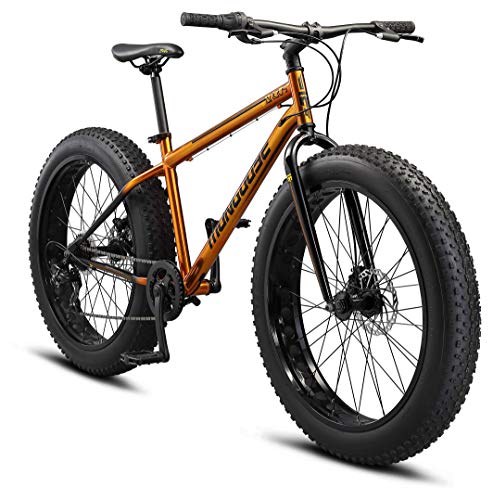
The Argus ST is designed as a rugged entry into fat-tire riding with a steel hardtail frame built to withstand tough trails. The 26-inch wheels help riders maintain stability on uneven surfaces, while 4-inch-wide fat tires provide substantial grip in sand, snow, and loose gravel. The steel construction emphasizes durability, and the rigid fork supports predictable handling on a variety of terrain. A 7-speed drivetrain allows riders to adapt to gentle grades and steeper climbs, making this model suitable for riders who want a straightforward, reliable fat-tire option. Mechanical disc brakes offer reliable stopping power in diverse conditions, enhancing control on mixed terrain.
- 26-inch wheels for stability
- 4-inch fat tires deliver grip on challenging surfaces
- Steel hardtail frame for durability
- 7-speed drivetrain for versatile climbing and cruising
- Mechanical disc brakes for dependable stopping power
Ideal for riders who value a rugged steel frame and straightforward maintenance, this Argus ST balances capability with an affordable price point for everyday fat-tire adventures.
Max4out 26 Inch Fat Tire Mountain Bike

The Max4out model emphasizes a higher gearing range and improved ride comfort through a front suspension fork. The 21-speed drivetrain provides a broader gear selection for steeper climbs and varied terrain, enabling smoother acceleration and efficient cadence on mixed trails. A reinforced high-carbon steel frame delivers strength and resilience against impact, while the front suspension helps dampen bumps for a more comfortable ride on rough paths. Drilled aluminum rims contribute to overall weight reduction, helping the bike feel more agile while maintaining toughness for off-road conditions. The 4-inch knobby tires maximize traction in sand, gravel, and snow.
- 21-speed drivetrain for efficient gearing
- Front suspension fork improves ride comfort
- High-carbon steel frame for strength
- Reinforced rims keep weight manageable
- 4-inch knobby tires provide strong grip on varied terrain
This bike suits riders who want a broader gear range for hills and a smoother ride over rough surfaces, with a balance of weight and durability for everyday fat-tire use.
Mongoose Dolomite Fat Tire Mountain Bike
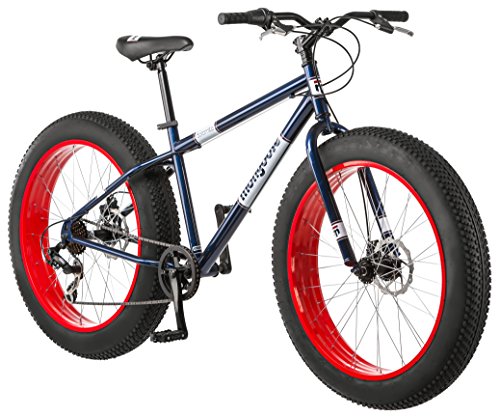
The Dolomite model blends a steel frame with 26-inch wheels and 4-inch-wide fat tires, delivering reliable performance across diverse terrain. Its sturdy steel frame supports riders through off-road adventures, while the oversized tires provide significant traction and stability on loose surfaces. A 7-speed drivetrain offers flexible gear changes, helping riders tackle varying grades. Front and rear disc brakes contribute to confident stopping in different conditions, enhancing safety on slick or steep trails. The bike’s geometry is designed for adults seeking a balanced, all-terrain fat-tire experience that can conquer loose surfaces and rugged paths alike.
- 26-inch wheels with 4-inch fat tires
- Steel frame for durability
- 7-speed drivetrain for adaptable gearing
- Front and rear disc brakes for reliable stopping
- Versatile for various off-road environments
This Dolomite variant is well-suited for riders who want a traditional steel-fat-tire platform with proven braking performance on mixed trails.
Mongoose Argus Sport Fat Tire Mountain Bike

The Argus Sport emphasizes a lighter ride with a 26-inch wheel setup and an aggressive fat-tire footprint. Featuring a Tectonic T2 aluminum frame, the bike delivers a more agile feel while maintaining durability. An aluminum rigid fork helps with precise steering on technical trails, and drilled rims contribute to a lighter overall build. Hydraulic disc brakes provide strong, consistent stopping power in variable conditions, making this model a strong option for riders who prioritize braking performance and responsive handling on demanding terrain. The fat tires are designed to bite into soft soil, sand, and snow for reliable control.
- 26-inch wheels with 4.8-inch fat tires
- Tectonic T2 aluminum frame for lighter weight
- Aluminum rigid fork for responsive steering
- Drilled rims to reduce weight
- Hydraulic disc brakes for strong stopping power
Best for riders who want a nimble fat-tire bike with advanced braking and a lighter frame for easier handling on mixed trails.
Mongoose Juneau Fat Tire Mountain Bike

The Juneau model is built for versatility with 26×4-inch big fat wheels that handle sand, snow, and uneven surfaces. The aluminum mountain frame provides a responsive ride while helping to keep the mass manageable. A 16-speed drivetrain enables a broad range of gearing for different terrains, allowing riders to maintain an efficient cadence on gentle grades and steep sections alike. This bike is designed for riders who want a capable fat-tire option that scales from casual weekend rides to more demanding off-road sessions, backed by an aluminum construction and a wide tire footprint for traction.
- 26×4-inch fat tires for enhanced traction
- Aluminum mountain frame for durability and weight management
- 16-speed trigger shifters for versatile gearing
- Suitable for riders approximately 5’4″ to 6’2″
- All-terrain capability for varied conditions
Ideal for riders who want a wide-tire experience with a larger tire footprint and a broad height range to accommodate taller and shorter riders alike.
Buying Guide
Key Purchase Considerations
Choosing the right fat-tire bike requires balancing frame material, braking, gearing, and tire size with your typical riding conditions. Consider the following factors:
- Frame material and weight: Steel frames offer durability and a smoother ride on rough terrain, while aluminum frames reduce overall weight for easier handling and pedaling efficiency.
- Braking system: Hydraulic disc brakes deliver stronger, more consistent stopping power in adverse conditions, while mechanical discs are reliable and typically lower in cost. Decide based on terrain, weather, and maintenance willingness.
- Drivetrain options: A higher gear count (like 21 speeds) provides more climbing options, while lower counts (7 or 16 speeds) simplify shifting and are often sufficient for recreational riding on mixed terrain.
- Tire width and tread: Wider tires (4 inches or more) offer better float on sand and snow; deeper knobby tread improves grip on loose surfaces but can add rolling resistance on smooth pavement.
- Sizing and fit: Ensure the bike accommodates your height range and inseam. Many fat-tire bikes list rider height ranges and offer adjustable seat posts to improve comfort.
- Suspension: Front suspension improves comfort on rough trails; if a model is a hardtail, assess your typical routes to determine if a front fork suffices.
Performance By Segment
Frame material comparisons reveal trade-offs between durability and weight. Steel frames tend to be tougher in rough environments but heavier, whereas aluminum frames help manage weight and improve acceleration. Braking systems differentiate models in terms of control and maintenance. Hydraulic discs excel in wet or muddy conditions, while mechanical discs provide dependable performance with easier maintenance. Drivetrain range matters for hilly terrain: more gears translate to easier climbs, while fewer gears may simplify shifting for casual rides. Finally, tire width influences traction and comfort: wider fat tires maximize stability, especially on soft surfaces, but may slow you down on smoother pavement.
Head-To-Head Comparisons
- Best braking performance: Models with hydraulic discs, like the Argus Sport, offer stronger stopping power across terrains.
- Lightest build: Aluminum-framed bikes (Argus Sport, Juneau) reduce weight for easier handling and acceleration.
- Most gear range: 21-speed configurations found in some Max4out bikes provide the widest selection for varied terrains.
- Durability at a lower cost: Steel-frame models (Argus ST and Dolomite) prioritize durability and impact resistance on rough trails.
- Terrain versatility: Wider tires (4 inches and above) excel on sand and snow, while still performing well on mixed surfaces.
When evaluating these five options, consider your typical riding environment, height range, and preference for weight versus ruggedness. For riders who prioritize braking performance, hydraulic discs on the Argus Sport provide an edge. If you want a steel-frame workhorse for rough trails, the Argus ST or Dolomite are solid choices. For riders seeking a broad gear range, the Max4out’s 21-speed setup offers versatile climbing and cruising capabilities. Finally, the Juneau delivers a balanced aluminum frame with a wide tire footprint and a 16-speed setup for general all-terrain use. Each model has strengths suited to different riding styles and climates.