For riders who want off-road capability with lighter handling, fat-tire bikes still deliver traction without the bulk of bigger, non-electric rigs. This guide highlights five of the lightest fat-tire bikes currently available on Amazon, chosen for balance between weight, performance, and value across street and trail riding. Each pick is evaluated on ride feel, build quality, and ease of maintenance to help you find a model that fits your needs.
Below you’ll find a quick at-a-glance table of the five models, followed by detailed sections with specs drawn from each product’s listed features.
| Product | Brand | Notable Features |
|---|---|---|
| Vivi MT20UL Foldable Fat Tire Ebike | Vivi | Peak 1000W, 48V 10.4Ah Removable Battery, 22 mph top speed, 44-50 mile pedal-assist range |
| Mongoose Argus ST Fat Tire Mountain Bike | Mongoose | 26″ wheels, 4″ fat tires, 7-speed, steel hardtail frame |
| Max4out 26 Inch Fat Tire Mountain Bike | Max4out | 21-speed drivetrain, front suspension, high-carbon steel frame |
| Qlife Racer Fat Tire Electric Bike | Qlife | Peak 1200W, 28 MPH, 20×4.0 fat tires, 7-speed, 499Wh removable battery |
| Skeri Electric Bike For Adults | Skeri | 750W peak, 55-mile range, 48V 15.6Ah, 7-speed, front suspension |
Vivi MT20UL Foldable Fat Tire Ebike

The Vivi MT20UL pairs a 48V 10.4Ah removable battery with a peak 1000W motor, delivering up to 22 mph and enabling confident climbs across mixed terrain. Its range scales with riding mode, offering roughly 22–25 miles in pure electric mode and about 44–50 miles with pedal assist. A foldable 20-inch frame prioritizes portability, making storage simple in small spaces or when traveling. Charging completes in about 4–6 hours. The bike carries SGS safety certification to UL2849, signaling adherence to recognized safety standards for everyday use.
In daily-use scenarios, the Vivi MT20UL serves riders who want lightweight, city-friendly operation with reliable off-road capability. The folding design helps with storage and transport, while the high-power motor provides ample torque for moderate hill climbs. Maintenance is straightforward due to its simplified fat-tire platform, and the removable battery adds flexibility for charging from different locations. This model emphasizes a balance between compact design and on-demand power, suitable for commutes that mix pavement and trails.
Notable considerations include ensuring you have an appropriate charging routine and understanding local regulations around high-wuelage e-bikes in certain areas. The MT20UL prioritizes safety through certification, but riders should still inspect tires and brakes regularly as part of routine maintenance. For those seeking a portable fat-tire ebike with substantial range, this Vivi model represents a capable middle ground between performance and practicality.
Mongoose Argus ST Fat Tire Mountain Bike
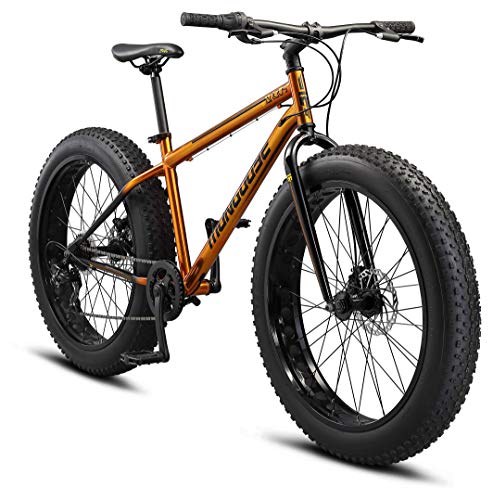
The Mongoose Argus ST offers 26-inch wheels paired with 4-inch-wide fat tires for broad traction on sand, snow, mud, and uneven trails. Its steel hardtail frame provides durability and rugged reliability for frequent off-road use, while drilled aluminum rims keep the wheel package manageable. A 7-speed drivetrain supports a range of terrains, enabling smoother acceleration and hill climbing without excessive weight or complexity. This model emphasizes a balance between rugged capability and everyday practicality, appealing to riders who want a capable, non-electric fat bike that remains maneuverable on urban roads.
Ride quality benefits from a sturdy frame and sturdy tires that absorb rough surfaces, yet the Argus ST remains straightforward to service. The lack of a full-suspension system keeps costs lower and maintenance simpler, which can be a benefit for riders new to fat-tire riding or those who prefer a conservative setup. With a straightforward drivetrain and proven wheel-tire package, it suits riders who prioritize durability and predictable handling across a variety of terrains.
For buyers evaluating weight distribution and road compatibility, the Argus ST’s ride feel tends toward stability and steady traction rather than ultralight aggressiveness. It’s particularly well-suited for weekend trail rides, beach cruises, and mixed-terrain commutes where rugged durability and reliable braking are valued. As always, ensure proper fit and sizing to maximize control on steep or uneven surfaces.
Max4out 26 Inch Fat Tire Mountain Bike

The Max4out 26 Inch Fat Tire Mountain Bike blends a 21-speed drivetrain with a front suspension fork and a high-carbon steel frame. The suspension works to dampen impacts on rough roads, dirt, and rocky trails, while the wide tires maintain traction across loose surfaces. The steel frame provides durability and a straightforward geometry that is approachable for riders upgrading to fat tires from standard mountain bikes. Ergonomic considerations, such as comfortable seating and a stable riding posture, are supported by the frame design and generous tire volume, which helps absorb small obstacles and reduces fatigue on longer rides.
This model targets riders who want a no-fruss-fat-bike platform that can tackle diverse terrains without the need for electric power. The front-suspension setup is a practical compromise: improved comfort on rough trails without the added complexity or charging needs of an e-bike. The components emphasize reliability, ease of maintenance, and a classic mountain-bike feel with fat tires that enhance flotation in soft substrates. Overall, it’s a strong pick for budget-conscious riders seeking trail versatility with a traditional, non-electric layout.
Potential trade-offs include heavier weight relative to some aluminum-framed bikes and the absence of motor assist, which means climbs may require more physical effort. However, the 21-speed setup remains versatile for speed variation and hill negotiation, making it a solid option for riders who value simplicity, ruggedness, and affordability in a fat-tire frame.
Qlife Racer Fat Tire Electric Bike

The Qlife Racer Fat Tire Electric Bike combines a peak 1200W brushless motor with a 20×4.0 fat-tire setup and a 7-speed drivetrain. The top speed reaches around 28 mph, enabling quick acceleration on mixed terrain, while the 499Wh removable battery supports multiple modes, including pedal assist and full electric. The large tires deliver essential stability and traction across sand, snow, or rough pavement. An LCD display provides key metrics, and four riding modes—manual, pedal-assist, pure electric, and walking assist—offer versatility for commuting and recreational exploration.
Expect a practical balance between range and power: the battery capacity supports substantial distance under pedal assist, while the motor’s peak capability supports steep terrain and rapid changes in terrain. The bike also includes safety-increasing features like dual front suspension, bright headlights, and a rear reflector system, which are beneficial for evening commutes or low-visibility conditions. This model is well-suited for riders who want a high-electric-assist fat bike with strong traction to navigate diverse environments.
Important considerations include battery care and a reliable charging routine to maximize range, plus ensuring riders choose appropriate gear ratios for local hills. The Qlife Racer emphasizes versatility, combining substantial power with fat-tire stability in a package designed for urban-to-off-road transitions.
Skeri Electric Bike For Adults

The Skeri fat-tire e-bike features a peak 750W motor capable of reaching around 28 mph, complemented by a 48V 15.6Ah battery for extended range—up to about 55 miles in pedal-assist mode. A 7-speed drivetrain allows smooth cadence adjustments, while a front suspension improves comfort on uneven terrain. The dual hydraulic disc brakes provide solid stopping power, and the rear rack plus fenders enhance everyday practicality for commuting or weekend trips. This setup is designed for riders who want higher performance with substantial range in a versatile, all-terrain platform.
Riders should consider weight distribution and charging needs when selecting a fat-tire e-bike with such range capacity. The front-suspension system helps absorb shocks, but maintenance and potential servicing of hydraulic brakes should be factored into long-term ownership. The Skeri model exemplifies a balance of power, range, and utility, making it a strong choice for those who want a capable fat-tire e-bike for daily use and weekend adventures alike.
Buying Guide
Motor Power And Top Speeds
Powerful motors deliver more traction and faster starts on slippery surfaces, but they also add weight and battery drain. Non-electric fat bikes emphasize user-driven cadence and torque, while electric models offer acceleration that can transform steep grades into manageable climbs. When comparing models, consider how much motor power you truly need for your typical routes and whether you want a bike that can ride as a traditional bicycle or as an electric assist platform.
Battery Capacity And Range
Battery size and chemistry determine usable range. The Vivi and Qlife bikes show strong pedal-assist performance, while Skeri offers substantial range with its 48V 15.6Ah pack. Removable batteries add flexibility for charging and security. For mixed-use riding—city commutes plus trail outings—prioritize a battery capacity that covers your typical daily distance with some reserve. Always balance capacity with weight and cost considerations to avoid overpaying for unused power.
Frame Materials And Weight
Fat-tire bikes use steel, aluminum, or sometimes composite frames. Steel frames tend to be durable and forgiving, but heavier; aluminum frames shed weight at the expense of stiffness. Foldable models (like Vivi) emphasize portability, which can reduce effective weight in daily handling and transport. When selecting, assess whether you value lightness for easier lifting or durability for rugged terrain and long-term maintenance.
Tire Width, Tread, And Traction
Tire width and tread depth influence flotation, steering feel, and grip. A 4-inch tire provides strong buoyancy on soft sand or snow but adds rolling resistance on pavement. Narrower fat tires (around 3.0 inches) can improve speed and handling on roads while still offering traction on rough terrain. Your choice should reflect typical riding conditions: more time on trails? Favor wider tires. Primarily urban riding? Consider narrower options for efficiency.
Performance Versus Portability
Foldable models excel for apartment dwellers or travelers who need compact storage and easy transport. Non-folding models often deliver sturdier geometry and lower maintenance for daily riding. If portability is important, prioritize folding mechanisms and locking systems that don’t compromise ride stability.
Braking, Suspension, And Safety
Fat-tire bikes benefit from reliable braking and suspension to handle rough surfaces. Hydraulic discs provide strong stopping power, while front suspension improves comfort on rough terrain. Safety features like good lighting, reflectors, and appropriate tire pressures help with visibility and traction in varied conditions. When evaluating purchases, ensure braking performance meets your safety expectations for striping fast descents and wet or uneven surfaces.
Value, Warranty, And After-Sales
Budget, warranty coverage, and after-sales service impact long-term satisfaction. A model with a strong warranty and readily available parts reduces total ownership costs and downtime. Balance upfront price against durability and serviceability. For electric models, ensure battery warranties and motor warranties align with your intended usage and climate conditions.