Choosing a lightweight electric bike means balancing weight, range, and portability. The five models below emphasize light frames, foldable designs, and efficient motors, making them well-suited for city commutes, weekend rides, and light trail adventures across the United States. This quick overview highlights each bike’s weight considerations, ride feel, and key specs to help you compare at a glance.
| Product | Brand | Weight (Approx) | Notable Feature |
|---|---|---|---|
| URTOPIA Foldable Electric Bike | URTOPIA | 29 lbs | Ultra-light carbon fiber frame; folding; 500W motor; 20 mph; 40 miles |
| Pikabike 1500W Electric Bike | Pikabike | Not listed | 1500W peak motor; 65 miles range; 28 mph |
| Rideplux 35-Speed Electric Bike | Rideplux | Not listed | 35-speed; 750W motor; 20 mph; 45-55 miles |
| isinwheel M10 Electric Bike | isinwheel | 47 lbs | 500W motor; 39-55 miles; 35-speed; front fork suspension |
| Qlife Racer Electric Bike | Qlife | 48.1 lbs | 750W peak; 22 mph; 21-speed; 375Wh battery |
URTOPIA Foldable Electric Bike
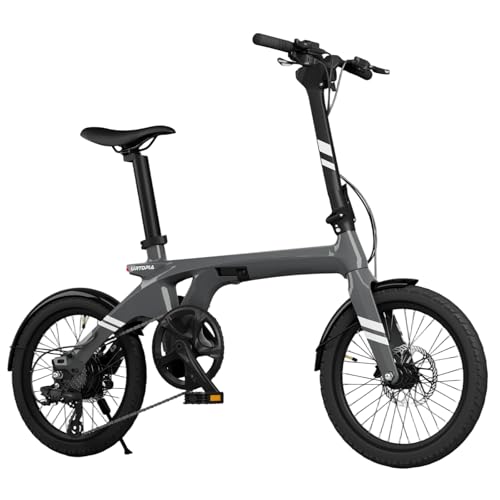
The URTOPIA foldable electric bike prioritizes portability without sacrificing performance. It features a 500W motor capable of reaching up to 20 mph, with a 36V detachable battery delivering up to about 40 miles of range in pedal assist mode. The frame is described as ultra-light—about 29 pounds—thanks to carbon fiber construction, aiding lifting and transport in urban settings. Assembly-free folding design allows quick setup and compact storage, ideal for apartment living or commuting where space is limited. The bike’s front fork suspension helps absorb road imperfections, and UL2849 certification supports safety expectations for street use. Riders should assess the bike’s brake type and overall ride feel on variable terrain to determine suitability for daily use or occasional adventures.
- 500W motor; 20 mph top speed
- 36V detachable battery; about 40 miles range (PAS mode)
- Folding, assembly-free design; 29 lb frame
- Front fork suspension; UL2849 Certified
Pikabike 1500W Electric Bike

The Pikabike model emphasizes high power and long-range capability for riding across city streets or light trails. It delivers a 1500W peak motor (750W rated) that supports speeds up to 28 mph. A 48V 10Ah battery enables an estimated range up to 65 miles per charge, depending on assist level and terrain, with a recharge time of around 4–5 hours. The bike’s frame and components are designed to balance ruggedness with weight considerations for transport and storage. Reviewers should consider how the motor power translates to real-world riding in your area, particularly for hills or longer commutes, and verify S- or pedal-assist modes that fit daily routes.
- 1500W peak (750W rated) motor; up to 28 mph
- 48V 10Ah battery; up to ~65 miles per charge
- Removable battery; 4–5 hour recharge
- Front fork suspension; UL-tested components
Rideplux 35-Speed Electric Bike
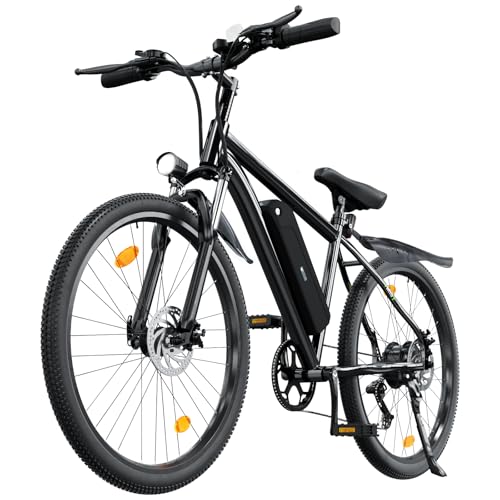
The Rideplux electric bike blends mid-range power with a broad gearing range for varied terrain. A 750W motor delivers up to 20 mph, suitable for urban commuting and gentle hills. The 35-speed drivetrain provides a wide selection of gears for climbing or accelerating, while the frame is described as lightweight and sturdy for everyday use. The bike uses a 374.4Wh battery, contributing to a respectable electric range in PAS and full-electric modes. Front fork suspension, front and rear disc brakes, and a clear LCD display add to a comfortable and controlled ride. Riders should assess whether the weight is manageable for lifting into a car or apartment storage and how the range aligns with daily routes.
- 750W motor; up to 20 mph
- 35-speed transmission; broad gearing
- 374.4Wh detachable battery; ranges vary by mode
- Front fork suspension; disc brakes; LCD display
isinwheel M10 Electric Bike

The isinwheel M10 emphasizes a balance of power and range in a manageable weight. It features a 500W motor with a top speed up to 20 mph and a large pedal-assist footprint, enabling between roughly 39 and 55 miles on a single charge depending on riding mode. The bike uses a 47-lb aluminum frame, contributing to a sturdy yet portable ride. A 35-speed drivetrain, front fork suspension, and a digital LCD display round out the user experience, offering responsive performance for city commuting and light off-road adventures. Potential buyers should consider the overall weight when lifting for storage and the practicality of the folding or lifting routine in daily life.
- 500W motor; up to 20 mph
- 39–55 miles per charge; 47 lb frame
- 35-speed drivetrain; front fork suspension
- LCD display; reliable disc brakes
Qlife Racer Electric Bike

The Qlife Racer offers a versatile riding experience with a 750W peak motor and a top speed of about 22 mph. A 375Wh removable battery supports a practical range across mixed terrain, while the 21-speed gearing provides a broad spectrum of speed control for climbs and flats. The bike’s 48.1 lb frame remains relatively approachable for riders who need a portable yet sturdy option. Four riding modes—manual, pedal assist, full electric, and walking assist—enable seamless transitions between city commuting, touring, and easy storage after rides. Prospective buyers should evaluate how the weight affects transport and how the motor power aligns with typical routes.
- 750W peak motor; up to 22 mph
- 375Wh removable battery; 21-speed derailleur
- Four riding modes including walking assist
- 48.1 lb frame; sturdy for light trails and city streets
Buying Guide
Choosing the right lightweight electric bike involves weighing several practical factors. The most important considerations include weight and portability, motor power and range, frame materials, suspension, and maintenance needs. For urban commuters who need easy storage and frequent lifting, folding models with sub-30 pound frames offer clear advantages, as seen in URTOPIA’s design. For riders who encounter hills or longer daily routes, a higher-w wattage motor (600W–750W) and larger battery capacity typically translate to more confident acceleration and extended distance without frequent recharging, as demonstrated by Pikabike and Qlife Racer.
Weight And Portability
Weight directly affects handling, storage, and transport. Lighter frames simplify stairs and elevator transitions, while folding mechanisms enhance apartment compatibility. Assess whether the bike’s folded dimensions fit your storage space and whether you’re comfortable lifting a sub-40-pound frame regularly.
Power And Range
Motor power and battery capacity determine how far you can ride and how quickly you can accelerate. A higher watt motor paired with a larger, detachable battery generally yields more robust performance on steep hills and longer commutes. Consider your typical terrain and daily distance when evaluating range expectations for any model.
Frame And Components
Aluminum frames offer a balance of lightness and durability, while carbon fiber frames declare ultra-light performance at a premium. Look for quality suspensions, reliable brakes (hydraulic if possible), and a broad gear range to handle varied routes. A bike’s overall build quality influences maintenance needs and longevity.
Folding Versus Full-Size
Folding bikes win on portability and storage, but may compromise stiffness and ride feel on rough terrain. If your routine includes stairs, public transit, or tight storage spaces, folding models can be advantageous. For dedicated trail riding, a full-size frame with solid suspension may provide a more confident ride.
Maintenance And After-Sales
Check for readily available replacement parts, battery warranty terms, and service options in your region. Removable batteries simplify charging and potential upgrades, but ensure you’re comfortable with basic maintenance tasks such as brake adjustment, tire care, and software updates if applicable.
Quick Comparison At A Glance
When choosing, compare weight, motor power, range, and folding capability side by side. Heavier bikes with more powerful motors can perform better on hills but require more effort to transport. Lighter, folding options excel in urban settings but may trade some ride stiffness. Your daily routes, storage space, and willingness to carry the bike will guide the best fit among these lightweight options.