Choosing the right bike for a 7-year-old blends safety, growth, and everyday fun. At this age, many children fit 16- to 20-inch wheels, with balance bikes offering a first step for balance before pedaling. The selections below focus on five versatile models that suit typical 7-year-olds, from beginner-friendly 18-inch BMX to 20-inch geared bikes built for growing riders. Each option emphasizes durability, ease of use, braking options, and adjustable features to support months of outdoor riding and confidence-building skills.
| Product | Brand | Wheel Size | Age Range | Key Feature |
|---|---|---|---|---|
| Cubsala Freestyle BMX Bike | Cubsala | 18 in | 5-9 years | Beginner-friendly BMX with 32T chainring and dual braking |
| Schwinn Elm Bike | Schwinn | 20 in | 7-13 years | SmartStart design; rear coaster and front/rear hand brakes |
| WEIZE 16-Inch Kids Bike | WEIZE | 16 in | 4-7 years | Full-coverage chain guard; easy-to-operate hand brake |
| JOYSTAR 16-Inch Kids Bike | JOYSTAR | 16 in | 4-7 years | Training wheels; coaster brake; adjustable saddle |
| bicystar 16 Inch Balance Bike | bicystar | 16 in | 5-9 years | No pedals; adjustable height; air rubber tires |
Cubsala 18-Inch Freestyle BMX Bike

The Cubsala Freestyle BMX Bike is designed for beginning riders who are transitioning from training wheels to independent street, park, or trail riding. With an 18-inch wheel and a 17.3-inch top tube, it suits many 7-year-olds who have some balance but still benefit from a compact frame. The bike’s height range aligns with typical 3’5″ to 4’3″ riders, supporting steady growth. Its durable Hi-Ten steel frame provides lasting comfort during daily rides, while the braking setup—an aluminum U-brake complemented by hand-lever control—helps young cyclists learn precise speed management.
Key features include a 152 mm one-piece crank and a 32T chainring for smooth pedaling cadence, plus a practical brake system that encourages safe stopping. This combination helps new riders gain confidence as they navigate curbs, slopes, and light park terrain. Overall, Cubsala emphasizes beginner-friendly handling without sacrificing durability or control, making it a strong option for a 7-year-old who is ready to explore beyond flat, closed spaces.
Schwinn Elm 20-Inch Bike
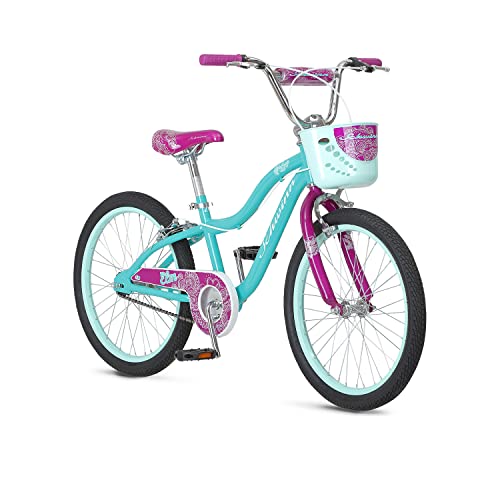
The Schwinn Elm is a 20-inch bike engineered for kids aged 7 to 13, with the SmartStart design that prioritizes stability and easy starts. A low standover height supports effortless mounting and dismounting, while an appropriately sized frame is tailored to children’s proportions. This bike grows with your child, aided by an adjustable seat and a gearing setup designed to deliver quick acceleration and controllable momentum as confidence builds. The Elm also integrates multiple braking options to help young riders transition toward bigger kid bikes.
Braking performance is a notable strength: the rear coaster brake works with pedaling to slow the bike, and front and rear hand brakes give precise stopping power when needed. The combination supports early braking skill development and offers a hands-on learning experience for riders moving beyond beginner gear. Schwinn’s family-friendly design language and Wisconsin-origin engineering add a sense of reliability to everyday rides and weekend excursions alike.
WEIZE 16-Inch Kids Bike

The WEIZE 16-Inch Kids Bike is well suited for younger riders in the 4–7 age range. Its size recommendation helps parents choose the right fit by featuring a careful balance between leg reach and control. A key safety feature is the easy-to-operate hand brake paired with a full-coverage chain guard, protecting little hands, clothing, and fingers during learning. The bike’s lighter frame design contributes to easier handling for beginners while still offering Mrs. durability for daily neighborhood rides.
Designed with kid-specific proportions in mind, WEIZE emphasizes beginner-friendly handling and safety. The 16-inch platform provides a stable ride on sidewalks and light trails, while the chain guard and protective elements reduce the risk of snags and entanglements. This model supports gradual skill-building as kids practice stopping, starting, and steering with growing independence.
JOYSTAR 16-Inch Kids Bike With Training Wheels
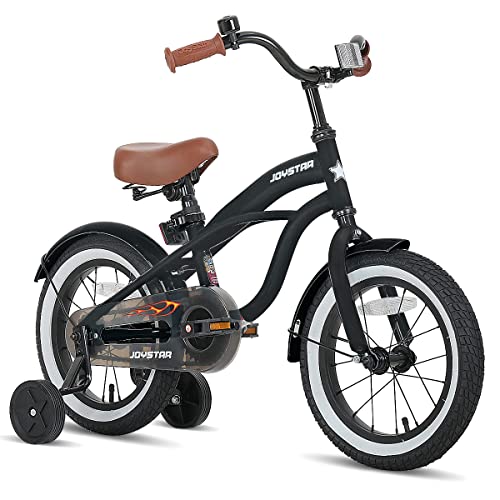
JOYSTAR’s 16-Inch Kids Bike with Training Wheels is designed for younger riders who are learning to navigate streets and sidewalks. The bike’s slim steel frame and front/rear fenders reflect a classic cruiser aesthetic, while an adjustable saddle and stem height promote a better fit as your child grows. The backpedal coaster brake supports intuitive stopping, and the enclosed chain guard reduces chances of clothing catching on the drivetrain. A removable training wheel helps maintain balance until balance is achieved independently.
Ride quality is further enhanced by a lightweight build and a design that mirrors traditional beach cruiser styling—resilient enough for everyday biking and neighborhood exploration. Parents will appreciate the combination of safety features and adjustable components that accommodate growth while supporting a learner-friendly transition from training wheels to independent pedaling.
Bicystar 16-Inch Balance Bike

The Bicystar 16-Inch Balance Bike is a pedal-free option that focuses on balance and coordination. Designed for kids aged about 5 to 9, it features an adjustable seat height and a sturdy, lightweight frame suitable for older beginners who still need to learn balance. The bike is equipped with air rubber tires for grip on varied surfaces, improving stability on sidewalks and light trails. With no pedals, kids learn to push off, balance, and steer before transitioning to a traditional pedal bike.
As a long- term purchase, the Bicystar balance bike supports growth in motor skills and confidence. Its simple design minimizes maintenance while maximizing ride-time, making it a practical stepping stone for children approaching the transition to pedal biking. This model is especially attractive for parents seeking a straightforward, durable introductory bike that emphasizes balance first.
Buying Guide
- Wheel size and age fit: 16-inch bikes typically suit ages 4–7; 18-inch is common for early primary grades; 20-inch bikes fit taller kids, roughly 7–13. Choose the wheel size that matches your child’s height and inside leg measurement for safe reach to the ground and comfortable pedaling position.
- Brakes and stopping power: Balance bikes have no brakes, teaching balance first. For pedaled bikes, consider a bike with a coaster brake for simple stop control, or front and rear hand brakes for better modulation as skills advance. Dual braking options can ease the transition to bigger bikes.
- Training wheels vs. balance-first approaches: Training wheels provide stability while learning to pedal, but balance bikes accelerate independence by teaching balance and steering first. Some kids benefit from a staged approach: start with training wheels or balance bike, then add pedals as confidence grows.
- Frame materials and weight: Lightweight frames (often aluminum or reinforced steel) reduce effort and fatigue, helping kids ride longer. Heavier frames may be more durable but can be harder for a child to maneuver on their own.
- Adjustability and growth: Look for adjustable saddle height, handlebar tilt, and a long growth window. A bike that grows with your child reduces the need for frequent replacements and ensures comfort during longer periods of ownership.
- Safety features and accessories: Enclosed chain guards, protective pads, fenders, and reliable brakes contribute to safety. A well-fitting helmet, knee and elbow pads, and reflectivity improve visibility during after-school rides.
- Durability and maintenance: Durable steel frames and quality components resist daily wear. Consider ease of maintenance, such as accessible brakes, simple gear systems, and straightforward lubrication.
- Try-before-you-buy considerations: If possible, have your child sit on the bike and test balance, reach, and comfort. For online purchases, check return policies and sizing guides to ensure a proper fit.
- Long-term value: A bike that remains comfortable as your child grows reduces the frequency of replacements. Prioritize features that support ongoing development, such as adjustable components and scalable braking systems.
Overall, the best choice balances fit, safety, and growth potential. For younger riders still building balance, a 16-inch bike with training wheels or a balance bike provides a gentle progression toward pedaling. For children already comfortable with balance and steering, 18- or 20-inch bikes offer more speed and control without overwhelming smaller riders. By weighing wheel size, braking options, and adjustability, you can select a model that supports a full season of enjoyable, safe riding.