Hardtail mountain bikes feature a rigid rear triangle paired with a front suspension fork. They’re lighter, simpler to maintain, and track well on many trails. This guide spotlights five top hardtails that balance durability, performance, and value across wheel sizes and materials.
Each entry is evaluated for terrain suitability, braking, gearing, and fit. Use the quick table below to compare at a glance, then read detailed sections for real-world considerations and riding recommendations.
| Model | Brand | Wheels | Frame | Brakes | Speeds |
|---|---|---|---|---|---|
| Mongoose Argus ST Fat Tire | Mongoose | 26″ | Steel Hardtail | Mechanical Disc | 7-speed |
| Mongoose Switchback Trail | Mongoose | 27.5″ | Alloy Aluminum | Mechanical Disc | 21-speed |
| SmiloSprk Hardtail | SmiloSprk | 27.5″ | High-Carbon Steel | Disc Brakes | 21-speed |
| Mongoose Flatrock Hardtail | Mongoose | 24″ | Aluminum | Not specified | Not specified |
| SAVADECK Carbon Fiber Mountain Bike | SAVADECK | 27.5″/29″ | Carbon Fiber | Hydraulic Disc | 12-speed |
Mongoose Argus ST Fat Tire Mountain Bike
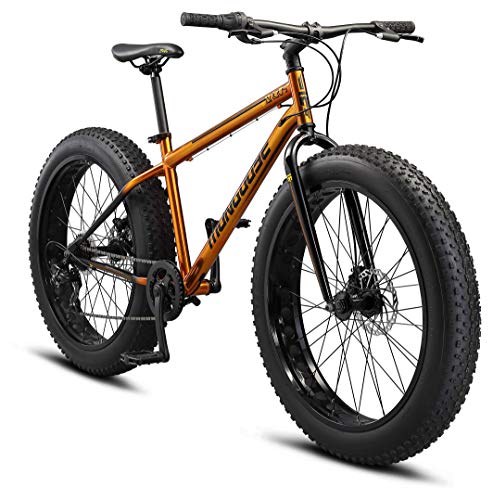
The Argus ST introduces a fat-tire experience with 26-inch wheels designed to roll over challenging terrain. The steel hardtail frame emphasizes durability for all-season riding and cross-terrain exploration. Reviews highlight the 4-inch-wide knobby tires that deliver grip on soft surfaces and loose gravel, helping riders maintain control when surfaces shift unexpectedly. The combination of a rugged frame and lightweight rims makes it a practical option for riders transitioning to more adventurous trails.
- FAT TIRE MOUNTAIN BIKE: 26-inch wheels for riders roughly 5’7″–6’1″.
- ALL-TERRAIN, ALL-SEASON: 4-inch-wide knobby tires deliver substantial grip on sand, snow, gravel, and challenging trails.
- BUILT TOUGH: Steel hardtail frame and rigid fork withstands rough riding; drilled aluminum rims help keep weight reasonable.
Mongoose Switchback Trail Hardtail Mountain Bike
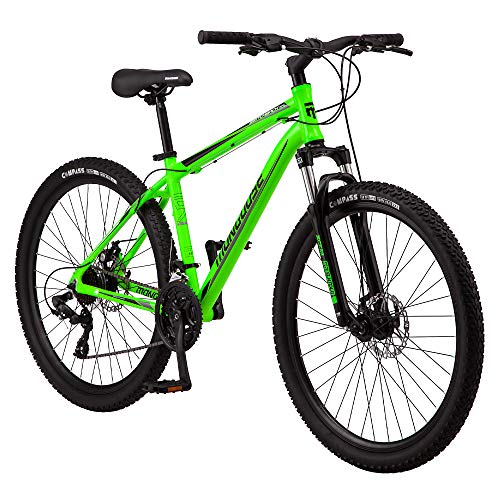
The Switchback Trail pairs an alloy frame with a front suspension fork for comfortable handling on rough tracks. It supports riders from about 5’4” to 6’2” and includes a 21-speed drivetrain for versatile climbs and flat sections. Front and rear disc brakes provide reliable stopping in varied conditions, making it a strong all-rounder for weekend trail rides and daily commutes on mixed terrain.
- Trail-ready alloy frame with SR Suntour XC-E28 suspension fork.
- Fits riders approximately 5’4” to 6’2” tall.
- 21-speed shifters and derailleurs offer quick, precise changes.
- Front and rear disc brakes deliver crisp, all-condition stopping power.
SmiloSprk Hardtail Mountain Bike

The SmiloSprk offers a durable high-carbon steel frame paired with a suspension fork to absorb shocks across uneven trails. A 21-speed twist shifting system ensures smooth gear changes on varied terrain, while dual disc brakes provide reliable stopping power. The 27.5″ x 2.35″ all-terrain tires balance stability and acceleration for city streets, dirt paths, and light mountain trails, making it a versatile option for new riders expanding into more aggressive routes.
- Shock-absorbing ride: high-carbon steel frame with suspension fork.
- 21-speed twist shifting with dual disc brakes.
- 27.5×2.35 all-terrain tires for versatile traction.
Mongoose Flatrock Hardtail Mountain Bike

The Flatrock is designed as an inclusive option for adult and youth riders. With a lightweight aluminum frame and customizable wheel options (24, 26, or 29 inches), it supports a broad rider range from about 4’4″ to 6’0″. Its front suspension helps absorb bumps on mixed terrain, providing a comfortable ride for beginners and casual trail enthusiasts who want a capable entry-level mountain bike.
- Adult and youth mountain bike with wide wheel options.
- Aluminum frame offers a light, responsive ride.
- Front suspension for improved comfort on rough paths.
SAVADECK Carbon Fiber Mountain Bike

The SAVADECK carbon fiber model focuses on light weight and efficient power transfer. It features a 12-speed drivetrain built around the Deore M6100 groupset and a 100mm hydraulic air suspension fork with lockout for on-demand compliance on rough terrain. The hydraulic disc braking system provides strong, consistent stopping, making it a solid choice for riders who want higher-end materials and precise control on challenging routes.
- T800 carbon fiber frame combines strength and lightness.
- Hydraulic air suspension fork with 100mm travel and lockout.
- Hydraulic disc brakes and a 12-speed Deore M6100 setup.
- 27.5″ or 29″ wheels for adaptable geometry across terrains.
Buying Guide
When choosing a hardtail, prioritize how you ride most often. Frame material, wheel size, and brake type dominate stability, weight, and maintenance needs. Carbon fiber frames are light and efficient but typically cost more, while aluminum frames offer a durable balance of price and performance. Steel frames tend to be heavy but extremely sturdy for aggressive riding and rough terrain.
Wheel size affects geometry, rollover capability, and acceleration. Smaller wheels (26″) turn quicker and feel more maneuverable on tight trails; 27.5″ strikes a balance between agility and stability; 29″ wheels roll over obstacles more easily and maintain speed on longer climbs. For younger riders or mixed-use cycling, 24″ wheels may fit better, blending reach with control.
Brakes matter: hydraulic discs provide strong, consistent stopping and are easier to modulate on steep descents; mechanical discs are reliable and lower maintenance but may require more adjustment over time. All five bikes here feature disc brakes or hydraulic discs in some form, which suits varied weather and terrain conditions.
Gearing ranges from 7 to 21 speeds and beyond. A wider range helps on steep climbs and fast sections alike, but a simpler setup (like 7 or 12 speeds) can be perfectly adequate for casual trail riding. Consider your local terrain, your fitness level, and how often you ride challenging climbs when choosing drivetrain complexity.
Fit and geometry influence comfort and control. A taller rider benefits from longer reach and appropriate standover clearance, while shorter riders may prefer lower top tubes and a smaller frame size. Always check adjustable accessories such as seat height and handlebar width to customize the ride to your body measurements.
Maintenance considerations include component quality, ease of wheel repair, and availability of spare parts. Entry-level bikes offer good value but may require more routine tune-ups. If you anticipate frequent trail use or aggressive riding, investing in a model with a reputable component group and solid frame material tends to pay off over time.
Budget and warranty also guide decisions. Higher-end frames and groupsets deliver performance gains and longevity; warranties vary by brand and frame material. If you ride in regions with extreme weather, prioritize corrosion resistance and robust braking systems to minimize long-term maintenance costs.