Choosing the right gravel handlebar can influence ride comfort, control, and efficiency on mixed surfaces. This guide highlights five top options that cover carbon and aluminum builds, varied widths, and different drop and flare configurations to fit diverse riding styles. Whether you value light weight for long climbs or a broader stance for stability on rough descents, these bars are engineered to enhance a gravel bike’s performance while accommodating common component standards.
| Product | Brand | Clamp Diameter | Width / Size | Key Feature |
|---|---|---|---|---|
| RXL SL Carbon Gravel Drop Bar | RXL SL | 31.8mm | 400/420/440mm | Lightweight carbon, 127mm drop, 104mm reach |
| Satori Firebird Gravel Drop Bar | Satori | 31.8mm | 480mm | 110mm drop, 76mm reach, 30° flare, integrated front extension |
| Redshift Kitchen Sink Gravel Bar | REDSHIFT | 31.8mm | 44cm | 20mm rise, 7° flare, wide and ergonomic |
| WSCXSC PRO Aluminum Gravel Bar | WSCXSC | 31.8mm | 430×510, 470×600, 510x640mm | Three length options, durable aluminum |
| RXL SL Gravel Drop Bar | RXL SL | 31.8mm | 458/478/498mm | ~220g, internal routing, 110mm drop, 78mm reach |
RXL SL Carbon Gravel Drop Bar

RXL SL’s Carbon Gravel Drop Bar is a featherweight upgrade built from T700 carbon fiber, weighing about 210g ± 10g. It uses a 31.8mm clamp and is offered in widths of 400, 420, and 440mm, with a 127mm drop and a 104mm reach. The UD Matte finish delivers a sleek look. Carbon fiber provides lighter weight and sharper aesthetics than aluminum, with solid pressure resistance and good elasticity for gravel riding. Anti-shock properties help smooth rough roads and improve overall stiffness, making it a strong choice for performance gravel setups.
Satori Firebird Gravel Drop Bar

The Satori Firebird Gravel Bar uses AL6061 aluminum with a 31.8mm clamp and a 480mm width. It features a 110mm drop and a 76mm reach, delivering a comfortable, stable position on rough surfaces. A 30-degree flare improves control when the road narrows, while the integrated front extension adds leverage for steep sections. Built to withstand grit and vibration, this bar is tuned for longer gravel rides, offering predictable handling and easy setup for riders seeking a dependable alloy option.
Redshift Kitchen Sink Gravel Bar
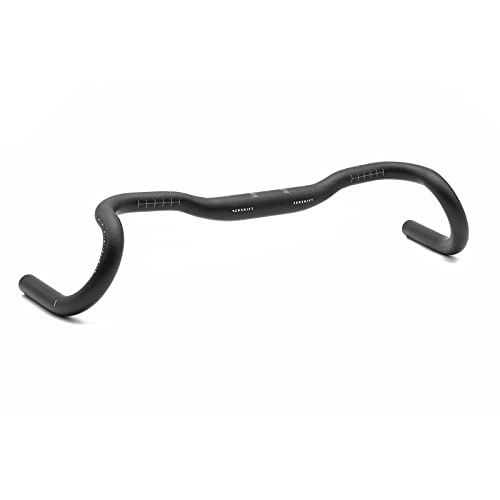
Redshift’s Kitchen Sink Bar is a wide, ergonomic gravel drop bar with a 31.8mm clamp and a 44cm width. It provides 20mm of rise, a 7° flare, and a shallow drop for a stable, comfortable riding position. The layout supports aero efficiency without sacrificing control and reduces wrist fatigue on long gravel days. It offers broad hand placement options and stays compatible with standard road components and cables, making it a versatile choice for mixed terrain riding.
WSCXSC PRO Aluminum Gravel Bar
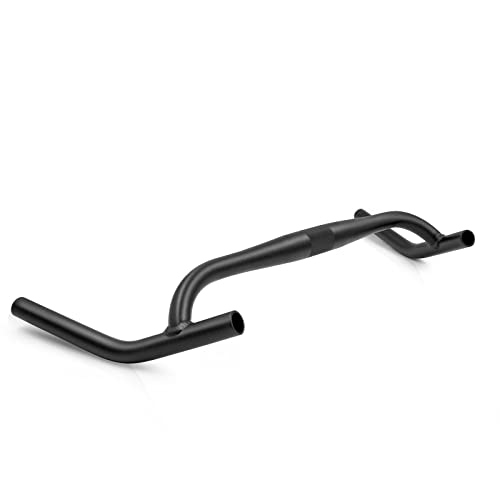
From WSCXSC, this aluminum alloy bar emphasizes durability and grip. It uses a 31.8mm clamp and is available in multiple lengths: 430x510mm, 470x600mm, and 510x640mm. The sandblasted finish resists scratches and looks rugged. The bar fits most frames with 31.8mm stems, providing reliable steering for gravel, mountain, and road bikes. Its stiffness and straightforward compatibility make it a versatile platform for aggressive riding across varied terrain.
RXL SL Gravel Drop Bar

These RXL SL handlebars use carbon fiber to balance light weight with stiffness. The bar weighs around 220g and is available in 458/478/498mm widths. It features a 110mm drop and a 78mm reach, with internal routing to keep cables tidy along the frame. The UD matte finish provides a modern look. Compared with aluminum, carbon bars offer lower weight, crisper steering, and improved power transfer on gravel roads, while maintaining a resilient feel on rough surfaces for long climbs and fast sections.
Buying Guide
Key considerations when choosing a gravel handlebar include fit, geometry, and material. Start with clamp diameter (31.8mm is common) to ensure compatibility with your stem and shifters. Next, assess width: wider bars increase stability on rough surfaces but may feel cumbersome in tight trails or on urban segments. Drop depth and reach affect riding posture; deeper drops can optimize aero gains, while shorter reaches reduce strain on the shoulders and neck. Flare and rise influence hand position and control—gravel riders often prefer a moderate flare for stability and a slight rise for comfort on longer days.
Material choice matters for weight, stiffness, and feel. Carbon bars are lighter and can transmit fewer road vibrations, yielding crisper steering and improved efficiency, but they cost more and require careful installation. Aluminum bars are tougher and typically more affordable, offering durable performance with a predictable feel on rough terrain. Consider internal routing if you want a clean aesthetic and reduced cable exposure, but verify compatibility with your frame and brake/shifter setup.
Length, width, and shape should reflect rider size and riding style. Wider bars accommodate a broader shoulder frame and rough descents, while narrower options suit climbing and technical sections. For mixed gravel, a bar with a balanced drop and reach—often around 100–130mm drop and 70–80mm reach—tends to provide versatile comfort. Always check installation torque guidelines and ensure the bar coexists with your existing components for safe, reliable performance on gravel days.