Glider bikes, also known as balance bikes, help young riders learn balance, steering, and confidence before pedaling. The best models for kids aged 2 to 5 emphasize lightweight frames, easy height adjustments, sturdy safety features, and maintenance-free tires. This guide profiles five top options that consistently earn positive reviews for durability and ease of use. Each entry includes a direct link to Amazon for convenient shopping. Use the Buying Guide below to compare age ranges, adjustability, wheel type, and overall value to choose the right glider bike for your child.
Quick comparison at a glance:
| Product | Brand | Age Range |
|---|---|---|
| JOYSTAR 12-Inch Balance Bike | JOYSTAR | 2-5 years |
| Bicystar 14-Inch Balance Bike (Green) | bicystar | 3-7 years |
| Bicystar 14-Inch Balance Bike Blue | bicystar | 3-6 years |
| SEREED Toddler Balance Bike | SEREED | 2-5 years |
| Lilian&Gema 12-Inch Balance Bike | Lilian&Gema | 2-5 years |
JOYSTAR 12-Inch Balance Bike
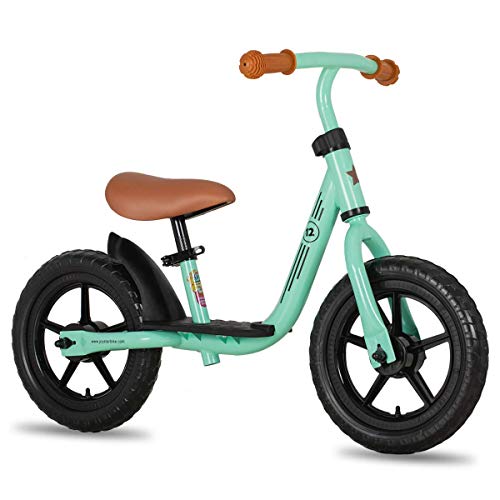
The JOYSTAR 12-Inch Balance Bike is designed for children ages 2 to 5, featuring a step-through frame that makes mounting easy for little ones. A built-in footrest helps young riders locate their balance as they coast, while the air-free tire minimizes maintenance and keeps weight down. This pedal-free design encourages early balance and steering skills without the distraction of pedals. The bike supports a smooth transition to pedal bikes as your child grows taller and more confident.
- Step-through frame for easy mounting
- Footrest supports balance and centers weight
- Air-free puncture-proof tire reduces upkeep
Bicystar 14-Inch Balance Bike
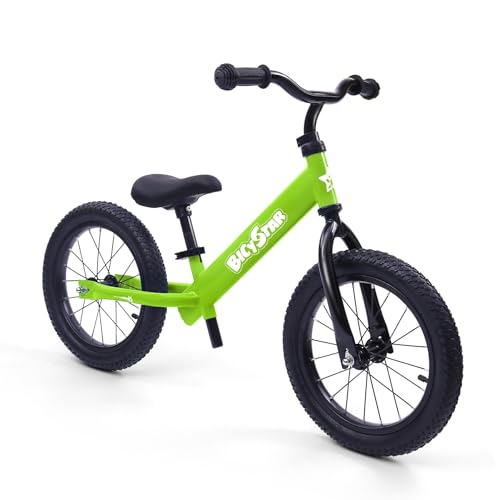
The 14-Inch Bicystar Balance Bike (Green) is designed to fast-track balance and coordination for kids aged 3 to 7. It features an adjustable seat height from 15 to 22 inches and a handlebar height of 25 to 28 inches, allowing it to grow with your child. At about 10 pounds, it remains ultra-light for easy handling. The pedal-free design helps children focus on balance before transitioning to pedals.
- Learning made fun with balance-focused design
- Grows with your child: seat 15-22″, handlebar 25-28″
- Ultra-light at about 10 lbs
Bicystar 14-Inch Balance Bike Blue

The blue version mirrors the green model with a design built for ages 3 to 6. It offers adjustable seat height from 13 to 21 inches and handlebar height from 21.6 to 24 inches, keeping pace with your child’s growth. Weighing about 8.5 pounds, this bike remains highly maneuverable for beginners learning balance and steering on two wheels without pedals.
- Adjustable seat 13-21″, handlebar 21.6-24″
- Lightweight at 8.5 lbs
- No pedals to learn balance first
SEREED Toddler Balance Bike

The SEREED balance bike is built around a sturdy carbon steel frame that supports up to 110 pounds. It starts at a 12.6-inch seat height and uses a quick-release mechanism to adjust seat height (12.6-17.1 inches) and handlebar height (19.6-22.5 inches) without tools. This no-pedal design emphasizes balance and steering development, while bonus plate and stickers let kids personalize their bike.
- Sturdy frame supports up to 110 lbs
- Tool-free adjustments: seat 12.6-17.1″, handlebar 19.6-22.5″
- No pedals; includes personalization plate and stickers
Lilian&Gema 12-Inch Balance Bike

The Lilian&Gema 12-Inch Balance Bike features a colorful lighting rear wheel to excite young riders as they cycle. It’s designed to grow with your child through adjustable handlebars and seat height, making it suitable for ages 2 to 5. The bike uses a sturdy carbon steel frame, non-slip TPU grips, and a soft PU saddle, along with puncture-resistant tires for a smoother ride across different surfaces.
- Lighting rear wheel activated by rotation
- Adjustable seat and handlebars for growth
- Puncture-resistant tires; sturdy frame; non-slip grips
Buying Guide
When choosing a glider bike, consider how well it fits your child now and how smoothly it will adapt as they grow. Prioritize models with adjustable height components, low overall weight, and reliable safety features. The right balance bike can accelerate balance and confidence while simplifying the transition to a pedal bike later on.
Key purchase considerations
- Age and height range: Ensure the bike matches your child’s current size and offers room to grow. Look for adjustable seats and handlebars to extend usability.
- Weight and size: Lighter bikes are easier for toddlers to maneuver and control. Check the weight rating and max rider weight to match your child’s size.
- Tire type: Air-free tires reduce maintenance but may feel slightly different from air-filled tires. Consider terrain and durability needs.
- Frame and components: A sturdy frame, non-slip grips, and a comfortable saddle improve safety and comfort during practice sessions.
- Pedals vs. no pedals: All models here are pedal-free by design, focusing on balance first. This supports a smoother shift to pedal bikes later.
- Adjustability: Quick-release or tool-free adjustments save time and let parents adjust height as kids grow.
- Maintenance needs: Look for simple parts, puncture-resistant tires, and components that resist rust and wear.
- Safety certifications and brand support: Reputable brands often provide better warranties and customer service.
How to compare models
- Weight and balance: Lighter bikes are easier for beginners; ensure the center of gravity suits your child’s size.
- Growth potential: Favor bikes with broad height adjustment ranges to maximize years of use.
- Wheel quality: Puncture-resistant tires minimize maintenance and flats, especially for outdoor use.
- Style and features: Some bikes include fun features like lighting or customizable stickers that can boost motivation to ride.
- Price versus durability: Compare build quality and lifetime value rather than initial cost alone.