Choosing a reliable front bumper rack involves balancing capacity, compatibility, and ease of installation. The five products below are among the best-rated options for bumper use, offering sturdy builds, straightforward mounting, and secure bike-to-rack fixtures. The selections cover bumper-mounted models and compatible front racks, providing versatility for road trips, camping adventures, and daily errands.
Here’s a quick snapshot of the chosen options to help you compare at a glance. The summary table below highlights bike capacity, mounting type, and a standout feature for each model.
| Product | Brand | Bikes | Type | Key Feature |
|---|---|---|---|---|
| Swagman RV Bumper Rack 2-Bike | Swagman | 2 | Bumper Rack | Fits 4–4.5″ bumpers; 30 lb/bike |
| Quick Products QPRBM2R | Quick Products | 2 | Bumper-Mounted | Adjustable width; all-steel |
| TOPTOW RV Bumper Receiver 63801 | TOPTOW | 2 | Bumper Hitch | 2″ receiver; 200 lb tongue weight |
| TANX 2-Bike Tow Hitch Rack | TANX | 2 | Tow Hitch | 180-degree foam hook; tilting |
| Swagman RV Approved 4-Bike | Swagman | 4 | Bumper Rack | 4″–4.5″ bumpers; 30 lb/bike |
Swagman RV Bumper Rack 2 Bike Bumper Rack
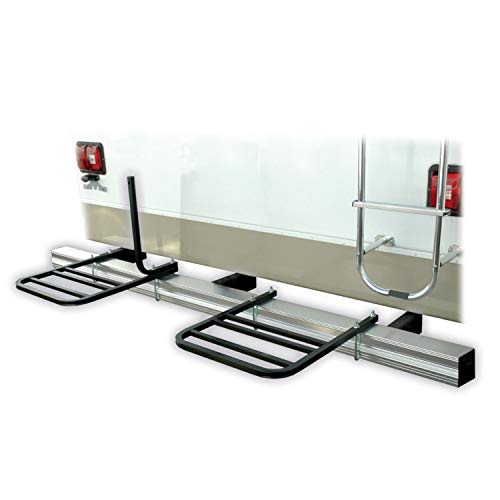
The Swagman RV Bumper Rack 2-Bike is designed for 4 to 4.5-inch continuous welded steel bumpers, offering a stable platform for two bicycles. This bumper rack is intended for RV and camper setups where bumper mounting is standard, providing a simple approach to adding bike capacity without rear hitch modifications. The system supports up to 30 pounds per bike, helping ensure compatibility with a wide range of standard road and light mountain bikes. The design focuses on distributing weight across the bumper to reduce sway and improve stability on the road.
Installation emphasizes a straightforward, robust mounting process that secures the rack to the bumper, with attention to maintaining clearance from exhaust components and taillights. While this model prioritizes bumper compatibility, users should verify that their bumper dimensions match the 4–4.5 inch range and confirm local regulations regarding bike rack placement near the vehicle’s license plate and lighting. Regular checks of bolts and mounting hardware help maintain long-term safety on trips.
Quick Products QPRBM2R RV Bumper-Mounted 2-Bike Rack
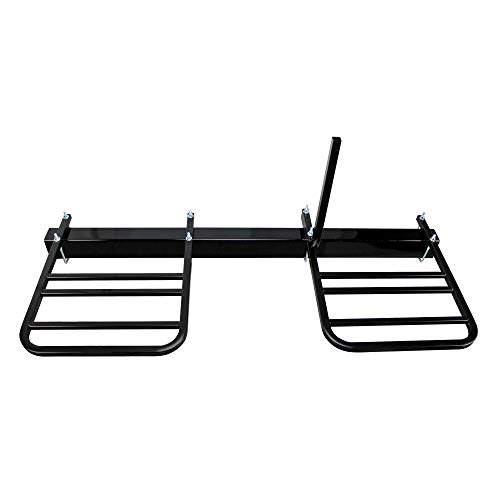
The QPRBM2R is a bumper-mounted rack designed to carry up to two bicycles on a 4″ to 4.5″ square bumper. It features adjustable mounting to fit nearly any bike length, providing versatility for a family with different bicycles. Built from all-steel construction, the unit comes with a powder-coated finish that resists corrosion and stands up to outdoor exposure. The combination of adjustable width and a stable mounting base helps minimize wobble and improve load stability during transit. For RV use and longer road trips, this rack offers a practical balance of durability and adaptability.
Users should pay attention to proper alignment with the bumper and ensure the rack is securely fastened using the included hardware. While the product is designed for two bikes, ensure each bike’s weight does not exceed the typical 30–35 lb range for bumper-mounted configurations, and verify that the rack does not obstruct lighting or license plate visibility. Regular maintenance of bolts and clamps is recommended to preserve performance over time.
TOPTOW RV Bumper Hitch Receiver 63801

This accessory targets bumper-based mounting by providing a 2″ x 2″ hitch receiver opening compatible with many bike racks that use a standard 2″ shank. It is designed to be used on RV bumpers and accommodates a maximum tongue weight around 200 lbs, according to its specifications. The 63801 model can be mounted on bumpers that measure 4″ to 4.5″ in beam width and can be installed upside down in some setups to adapt to space limitations on the vehicle rear. Bolts are required for secure attachment, and careful tightening is recommended to maintain stability during travel.
When considering this option, evaluate whether your existing bike rack uses a 2″ shank and whether your bumper design supports a hitch receiver. Additionally, ensure that installing the receiver does not interfere with taillights or license plate clearance. The TOPTOW setup is best for users who already own a compatible bike rack with a 2″ shank and want to convert bumper beams into a compatible hitch-style mounting point for added versatility on the road.
TANX 2-Bike Tow Hitch Rack

The TANX tow hitch rack is built for two bikes with a substantial 200 lbs total capacity. Made from high-strength steel, it emphasizes safety and stability for platform-style carrying. The design includes foldable elements to save space when not in use and a tilting feature that eases trunk access, addressing common concerns about loading and unloading when a vehicle is parked in tight spaces. The foam hooks can be adjusted to accommodate different frame geometries, and the maximum wheelbase supported is 48 inches, enabling a wide range of bike styles to fit securely.
The wheelbase and tilt capabilities make this option suitable for riders who frequently switch between shorter urban bikes and longer touring bikes. As with other hitch-style racks, verify that your vehicle’s hitch receiver matches the model’s specifications and that the overall setup does not block key rear lighting. Regular lubrication and inspection of the hinge and latch mechanisms help maintain reliability for frequent use.
Swagman RV Approved 4-Bike Bumper Rack
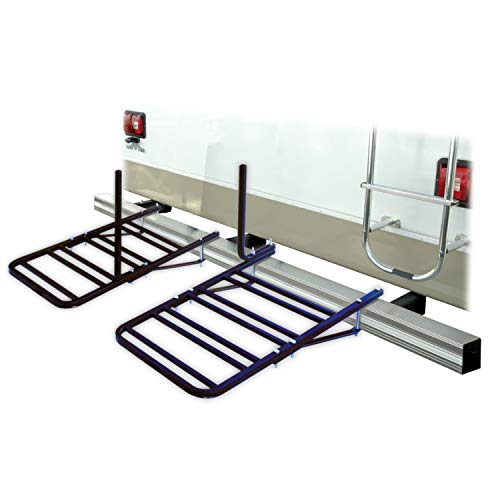
The Swagman RV Approved 4-Bike Bumper Rack handles up to four bicycles on an RV bumper, designed for 4″ to 4.5″ square bumpers. It uses heavy-duty steel construction with a powder-coated finish to resist corrosion and stand up to outdoor exposure. Installation relies on longer bolts (6.5″ and 8″) to secure the rack around the bumper, providing a sturdy, wide-base mounting platform. With a per-bike capacity of up to 30 pounds, this model is well-suited for multi-bicycle trips or families requiring substantial bike-hauling capability.
As with all bumper-mounted racks, ensure that the installation does not interfere with tail lights or license plates and that the bumper is rated to support the added load. Regular inspection of mounting bolts and bumper integrity is advisable, particularly for RVs with frequent travel or rough roads. The four-bike configuration is ideal for extended camping trips or group outings where many bikes need transport in a single rear setup.
Buying Guide
Key considerations when choosing a front bumper or bumper-mount bike rack include compatibility with bumper dimensions (4″–4.5″ square bumpers) and hitch receivers (2″ shanks), maximum bike capacity and per-bike weight, mounting hardware and platform stability, material durability (steel vs aluminum), folding or tilting features for trunk access, and security features. Compare models by verifying whether the rack is designed specifically for bumper-mounted use or hitch-mounted platforms and consider the vehicle’s license plate and taillight clearance. For RVs, ensure bumper type compatibility and assess installation ease for quick setups on trips.
- Capacity and weight limits: Ensure the rack can carry your typical bikes without exceeding per-bike limits.
- Mounting type: Bumper racks offer a simple install on bumper beams; hitch-mounted options add versatility for vehicles with standard receivers.
- Material and durability: Steel with protective coatings resists corrosion; aluminum options can be lighter.
- Foldability and tilt: Helps access cargo space without removing bikes or rack.
- Security: Look for locking mechanisms or accessory security features to deter theft on trips.
- Vehicle clearance: Check that the rack does not block lights or the license plate; some jurisdictions require vertical or rear-mounted visibility.
- Installation effort: Consider tools needed and whether professional installation is advisable for your specific bumper or hitch configuration.
- Maintenance: Regularly inspect bolts, fasteners, and mounting hardware; lubricate joints and hinges as needed.
In summary, the best choice depends on your vehicle type (RV bumper vs. hitch receiver), how many bikes you need to carry, and how often you need to access cargo space. The five models above illustrate a spectrum from two-bike bumper racks to four-bike bumper configurations and hitch-based solutions, offering a range of mounting options, durability features, and practical designs for American road trips and daily biking duties.