The best fat tire mountain bikes blend grip, stability, and rugged reliability so riders can conquer sand, snow, mud, and rocky trails with confidence. This guide highlights five top fat-tire 26-inch models that balance durable frames, powerful braking, and versatile gearing. Each entry links to its Amazon listing for quick comparison, with a succinct breakdown of what makes these bikes stand out on tough terrain. Whether you’re a weekend explorer or a daily rider, these options aim to deliver traction, comfort, and value across diverse environments.
| Product | Wheel Size | Frame Material | Brakes | Gearing | Notes |
|---|---|---|---|---|---|
| Mongoose Argus ST Fat Tire Mountain Bike | 26 inches | Steel | Mechanical Disc | 7-Speed | riders 5’7 – 6’1 |
| Max4out 26 Inch Fat Tire Mountain Bike | 26 inches | High-Carbon Steel | Dual Disc Brakes | 21-Speed | Front suspension |
| Mongoose Dolomite Fat Tire Mountain Bike | 26 inches | Steel | Front and Rear Disc | 7-Speed | Adult steel frame |
| Mongoose Argus Sport Fat Tire Mountain Bike | 26 inches | Tectonic T2 Aluminum | Hydraulic Disc | Not specified | 4.8-inch tires |
| Mongoose Juneau Fat Tire Mountain Bike | 26 inches | Aluminum | Front and Rear Disc | 16-Speed | Rider height 5’4 to 6’2 |
Mongoose Argus ST Fat Tire Mountain Bike
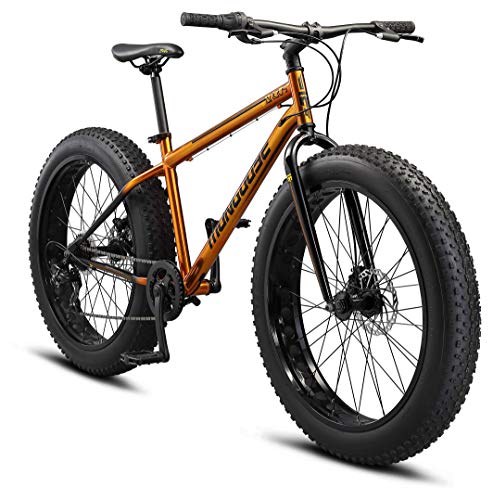
The Argus ST is a 26-inch fat-tire bike designed for all-terrain comfort. Its 4-inch-wide knobby tires deliver substantial grip, helping riders maintain control on loose sand, snow, gravel, and challenging trails. The steel hardtail frame and rigid fork reinforce durability while keeping a straightforward, easy-to-maintain design suitable for frequent riders who value reliability over featherweight performance.
Riding range is tailored to mid-tall riders, with a fit suitable for those around 5’7 to 6’1 tall. The bike pairs a sturdy drivetrain with a 7-speed setup, allowing riders to adapt to climbs and flats without overcomplicating the cockpit. Mechanical disc brakes provide consistent stopping power in varied conditions, from dusty dust to light wet patches, helping riders brake early on tricky descents.
Weight management and wheel rigidity come from drilled aluminum rims, which help keep the rotation lively without excessively increasing weight. The combination of a steel frame and a broad tire profile aims to balance durability with a forgiving ride in rough terrain. This model is well-suited for riders who want a straightforward fat-tire platform that can handle hikes through woods, beaches, and snow-prone trails alike.
On the trail, the Argus ST emphasizes stability and grip. While not designed as a high-performance cross-country racer, it excels at confidence-building mobility across diverse surfaces. For buyers prioritizing rugged construction, respectable gearing, and a familiar, easy-to-maintain setup, the Argus ST offers a practical option with broad terrain tolerance.
Max4out 26 Inch Fat Tire Mountain Bike

The Max4out fat-tire mountain bike takes a different approach with a robust 26-inch wheel package and a high-carbon steel frame. It pairs 4-inch knobby tires with a front suspension fork to improve comfort and control across rough terrain. The bike emphasizes a versatile 21-speed drivetrain, enabling more flexible climbing and speed management across hills and flats alike.
The front suspension helps absorb bumps from rocky trails, ruts, and rooty sections, reducing fatigue over long rides. The steel frame adds strength, making it a durable option for riders who frequently ride off-pavement or shuttle to trails. This model also leans into a rugged, budget-friendly niche by providing a substantial gearing range without moving into premium price brackets.
Shaped for a broad audience, the Max4out bike is suitable for those who want a capable fat-tire ride with a generous gear range and solid suspension without the premium price tag. The dual-disc braking system enhances stopping power in varied weather and terrain, helping riders maintain control on steeper descents or slippery sections.
In terms of fit and feel, expect a sturdy ride with the practical advantage of a 21-speed configuration. This makes it a strong option for riders who want reliable shifting that handles a broad spectrum of trails—from sandy beaches to damp forest trails—without needing to fine-tune or upgrade components immediately.
Mongoose Dolomite Fat Tire Mountain Bike
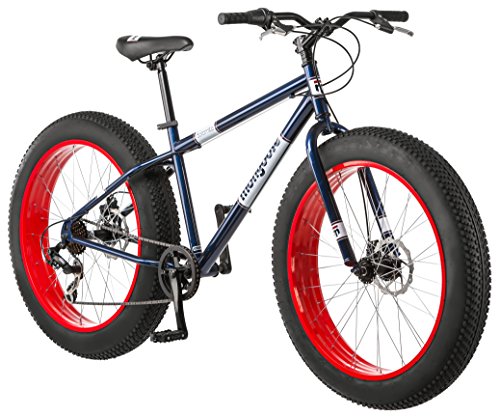
The Dolomite Fat Tire Mountain Bike from Mongoose features 26-inch wheels with 4-inch-wide knobby tires designed for varied off-road surfaces. The steel frame provides a rugged backbone suitable for riders who want durability and long-lasting performance in challenging conditions. With a 7-speed drivetrain, riders can tackle hills and uneven terrain with a straightforward and proven setup.
Mechanical or hydraulic braking systems are critical in fat-tire bikes, and the Dolomite incorporates front and rear brakes to support confident stopping on muddy or loose sections. This setup supports a reliable ride through sand, snow, or rocky trails, making the Dolomite a practical choice for riders who seek a traditional, sturdy fat-tire bike that can tolerate rough handling and regular use.
The Dolomite’s construction prioritizes safety and stability, essential for new fat-tire riders who want a dependable platform that’s easier to manage on day trips and weekend adventures. The steel frame and comprehensive braking system help ensure predictable performance across seasons and terrain types.
Overall, the Dolomite delivers a classic fat-tire experience with robust frame integrity, broad tire width, and proven 7-speed versatility. It’s well-suited for riders who value tried-and-true components and a straightforward, durable build that can handle long rides on mixed surfaces.
Mongoose Argus Sport Fat Tire Mountain Bike

The Argus Sport model advances with a 26-inch wheel setup and a focus on nimble, responsive handling. Its Tectonic T2 aluminum frame reduces weight while maintaining strength, contributing to a more agile overall ride compared to heavier steel-framed rivals. Hydraulic disc brakes provide strong, progressive stopping power in varied conditions, from wet trails to dusty, loose surfaces, enhancing rider confidence on steep grades and technical sections.
The tires on this variant are notably wide (4.8 inches), delivering substantial surface contact for better stability on soft ground. While the feature list emphasizes fat-tire capability and a capable frame, the specific gearing count isn’t listed in the provided notes, which can be a consideration for riders who want precise gear options for steep climbs or fast sections.
For riders prioritizing a lighter alloy frame and modern braking technology, the Argus Sport offers a compelling balance of control, weight, and fat-tire stability. It’s a practical choice for weekend warriors who ride mixed terrain and want strong braking performance without sacrificing maneuverability.
In terms of terrain versatility, the Argus Sport suits those who want a refined fat-tire experience with hydraulic braking and a responsive aluminum frame, enabling confident riding across sandy flats, snow patches, and mildly rocky trails.
Mongoose Juneau Fat Tire Mountain Bike

The Juneau model combines 26-inch wheels with oversized four-inch fat tires, delivering bold traction across snow, sand, and loose soil. The aluminum frame emphasizes a lighter weight for improved handling and acceleration, complemented by a spacious 16-speed drivetrain for climbing varied grades and navigating diverse terrain. The rider height range of 5’4 to 6’2 broadens its suitability for a wide audience of enthusiasts.
With a 16-speed setup, the Juneau offers a practical gear range for mixed-use riding, ensuring you can find an efficient cadence on flats and credible climbs on longer trails. The combination of aluminum construction and versatile gearing makes the Juneau a compelling option for riders who encounter varied landscapes and want a bike that can adapt as seasons change.
The Juneau’s build prioritizes a balanced ride that remains approachable for casual riders while still providing enough capability for experienced fat-tire enthusiasts. It blends a proven fat-tire platform with modern materials to deliver a dependable mountain bike that’s ready for weekend explorations and light-duty daily riding.
Buying Guide: Key Purchase Considerations And Comparisons
When selecting a fat-tire mountain bike, consider how you’ll use it most often, your riding environment, and your maintenance preferences. The following factors help differentiate models and clarify what to expect from each platform.
- Frame material and durability: Steel frames, like those on several models, offer strength and easy repair, but can be heavier. Aluminum frames save weight and improve handling, especially on longer rides or steeper climbs.
- Wheel size and tire width: All five bikes here use 26-inch wheels with fat tires ranging from about 4 to 4.8 inches. Wider tires provide grip on loose surfaces but add rolling resistance; narrower fat tires reduce weight slightly and may offer faster acceleration on smoother trails.
- Braking system: Hydraulic discs yield strong, modulated braking with good wet-weather performance, while mechanical discs provide reliable braking with simpler maintenance. Consider your typical riding conditions and maintenance capabilities when choosing.
- Drivetrain and gearing: 7- to 21-speed setups accommodate different elevations. More gears help on steep terrain but require more maintenance; fewer gears can be simpler and lighter, with adequate range for casual to moderate climbs.
- Suspension: Front suspension helps absorb bumps on rough trails, increasing comfort. Rigid forks are lighter and easier to maintain, ideal for riders who mostly ride on well-timed routes or snow and sand with fewer rock obstacles.
- Rider height and fit: Ensure the bike accommodates your height range for comfortable reach to brakes and shifters, and proper saddle height. Some models specify height ranges (for example, 5’7″ to 6’1″ or 5’4″ to 6’2″).
- Maintenance and availability of parts: Steel frames can be easier to repair in some areas; aluminum and carbon components may require different tools and care. Check local service options and availability of replacement parts, especially for hydraulic systems.
- Intended use and terrain type: If you expect frequent snow, sand, or soft terrain, prioritize wider tires, robust braking, and a forgiving frame. For more urban or mixed-terrain use, a lighter frame with efficient gearing can improve daily usability.
- Warranty and support: Look for warranties on frame and components, and verify that service centers or brands provide accessible support and replacement parts in your region.
In practice, the best fat-tire bike balances durable construction with components that match your riding goals. If you plan to ride challenging trails often, consider hydraulic brakes, aluminum or steel frames tailored to your weight and height, and a broad gearing range for climbs. For casual or all-season use, prioritize reliability, straightforward maintenance, and a fit that accommodates your height and daily riding patterns. Evaluating each model’s stability, braking confidence, and ride quality will help you pick a fat-tire bike that meets your needs without compromising safety or comfort.