Electric scooter self-balancing models offer stability, ease of use, and fun for riders of all skill levels. This article highlights five highly capable options, covering urban cruising, off-road exploration, and compact commuting. Each listing includes key specs, safety features, and what sets the model apart, helping you compare performance and value at a glance.
| Product | Brand | Top Speed | Range | |
|---|---|---|---|---|
| Segway Ninebot S2 Electric Self-balancing Scooter | Segway Store | 11.2 mph | 21.7 miles | Adjustable height, learning mode |
| Smart Self-Balancing Electric Scooter X60 Plus | — | — | 75-80 km (approx. 47-50 miles) | Dual 1500W motors, rugged 20″ tires |
| Gyroor Balancing Scooter G13 | Gyroor Store | 6.2 mph | Up to 8 miles | All-terrain, LED lights, Bluetooth |
| Onewheel Pint X | Onewheel | 20 mph | 12-18 miles | 750W motor, UL 2272 |
| Hover-1 Superfly | Hover-1 Store | 7 mph | 6 miles | Built-in Bluetooth speaker, beginner to expert modes |
Segway Ninebot S2 Electric Self-balancing Scooter
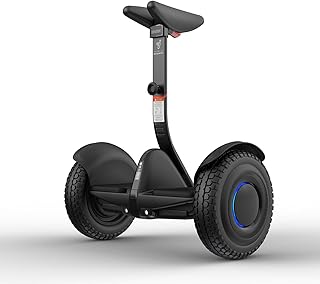
The Segway Ninebot S2 emphasizes approachable control combined with practical range for daily commuting. With a top speed of 11.2 mph and a range of about 21.7 miles, riders can cover longer distances on a single charge. The S2 includes a beginner-friendly learning mode to ease new riders into balance and maneuvering, reducing the learning curve typical of stand-up scooters. A key ergonomic feature is its adjustable height, accommodating riders from 4’3″ to 6’6″ and supporting up to 220 lbs, which helps ensure a stable ride and comfortable posture during longer sessions.
Designed for urban environments, the S2 brings stability through Segway’s balance technology while offering a straightforward riding experience. Safety considerations include UL-2271 certification for battery safety and robust materials to withstand daily use. The combination of a solid top speed, respectable range, and inclusive adjustability makes the S2 a well-rounded option for beginners and seasoned riders who want a dependable, flexible self-balancing scooter.
Smart Self-Balancing Electric Scooter X60 Plus

The X60 Plus targets riders seeking higher performance and longer ranges. It is powered by dual 1500W motors, delivering strong acceleration and capable hill-climbing potential. The listed range is an impressive 75-80 km (roughly 47-50 miles), making it suitable for extended rides or commutes. Its all-terrain design leverages 20-inch tires that enhance grip and stability across varied surfaces, expanding the scooter’s versatility beyond smooth pavements. Note that the model’s battery details indicate a substantial capacity, which supports its extended range expectations.
Alongside power and range, the X60 Plus prioritizes ruggedness and adaptability. The absence of standalone lithium batteries in some bundles suggests a modular approach to power options, while the frame and tires are engineered to withstand diverse riding conditions. This combination makes the X60 Plus a compelling choice for riders who want performance that extends beyond city streets without sacrificing balance and control.
Gyroor G13 All Terrain Balancing Scooter

The Gyroor G13 is built for off-road adventures with dual 120W motors that handle moderate inclines up to 15 degrees and a top speed of 6.2 mph. The scooter uses non-slip rugged 6.5-inch off-road tires to provide solid traction on dirt, turf, and gravel, with a rider capacity up to 220 pounds. LED lights on the wheels and bright headlights add visibility and fun, especially in low-light conditions. A built-in Bluetooth speaker contributes to entertainment during rides, while a 37V/2Ah lithium-ion battery supports a typical range around 8 miles per full charge. This model emphasizes playful versatility and outdoor capability in a compact package.
Onewheel Pint X

The Onewheel Pint X delivers higher speed and range with a 750W Hypercore motor capable of reaching up to 20 mph and delivering 12-18 miles of riding per charge. UL 2272 certification underlines safety considerations for power and electrical components. The Pint X also features regenerative braking for energy recovery and a smart app that provides battery status, LED control, and ride data, enabling riders to tailor performance to their preferences. Its balance-and-mobility design focuses on a compact, single-wheel experience that appeals to experienced riders seeking a distinct riding sensation combined with modern connectivity.
Hover-1 Superfly Electric Self Balancing Scooter

The Hover-1 Superfly focuses on a balance of simplicity and fun. With 6.5″ wheels, LED headlights, and fender lights, it provides stable balance and visibility while negotiating urban terrain. The model reaches up to 7 mph and covers about 6 miles per charge, making it a practical option for short commutes or recreational rides. The built-in self-balancing system is designed to assist riders in maintaining stability, a feature that is particularly appealing for beginners and younger riders who want an approachable introduction to electric balance scooters. Rider modes range from beginner to expert, enabling a gradual progression in control and skill.
Buying Guide
- Riding experience and skill level: beginner-friendly models with learning modes help new riders build confidence, while higher-powered scooters suit more experienced riders seeking speed and longer ranges.
- Power and performance: dual motors and high-capacity batteries improve acceleration and hill-climbing ability, but may add weight and cost. Consider your typical terrain and desired range.
- Range estimates: real-world range varies with rider weight, terrain, and speed. Favor models with higher battery capacity for longer trips or daily commuting.
- Terrain and tires: all-terrain tires boost versatility for off-road use, while city-specific designs excel on smooth pavement. Check wheel size and tread for your typical routes.
- Weight and portability: lighter models are easier to carry or store, but may compromise range or stability at higher speeds. Consider your storage space and commuting needs.
- Safety and certifications: look for UL 2272 or equivalent battery safety certifications, reliable braking systems, and robust frame construction for durability.
- App connectivity and features: digital dashboards, regenerative braking, and ride data tracking can enhance user experience and maintenance planning.
- Maintenance and accessories: battery health, tire wear, and availability of replacement parts should factor into total cost of ownership.
- Use case alignment: urban commuting typically benefits from stable balance and moderate range, while off-road exploration rewards more power and rugged tires.
- Warranty and seller support: verify warranty terms and the availability of customer support for ongoing maintenance and parts.
These considerations help compare models across performance, practicality, and long-term value. When selecting a self-balancing scooter, prioritize safety features, comfort, and the riding scenarios you expect most often. The five options reviewed here provide a spectrum of capabilities—from city-friendly stability to off-road readiness—so you can choose a model that matches your needs and riding style.