Choosing an electric bike for toddlers requires balancing safety, age-appropriateness, and enjoyment. The options below cover lightweight balance bikes, compact electric models, and three-wheel ride-ons designed for little riders from about age 1 to 6. Each model emphasizes stability, smooth starts, and adjustable components to grow with a child. This guide compares build quality, battery life, top speeds, and ease of use so families can decide confidently. Use the buying guide to weigh pros and cons and match a model to a child’s size and development stage.
| Product | Brand | Key Specs |
|---|---|---|
| Hiboy BK1 Electric Balance Bike | Hiboy | 12″ tires; 21.6V/2.6Ah; 150W peak; up to 9 MPH; up to 4.9 miles; age 3-5; IPX4 |
| AIII Lightweight Electric Dirt Bike | AIII | 24V; 150W; 23.2 lbs; 12″ tires; two speeds (5–10 MPH); 40–60 min runtime |
| K8 Electric Balance Bike | VIPCOO | 12″ tires; 21.6V/5.2Ah; up to 7.5 MPH; up to 10 miles; 14.7 lbs; ages 3-5 |
| Wonzeal Kids Balance Bike With Lighting | wonzeal | 12″ tires; 150W; 25V; up to 11 MPH; 45–90 min runtime; pads included |
| JoyRydz 6V Baby Balance Bike | JoyRydz | 6V; remote control; bubble machine; lights; ages 1-4 |
Hiboy Bk1 Electric Balance Bike

The Hiboy BK1 is a compact, lightweight balance bike designed for toddlers ages 3 to 5. It measures 35.9 by 20.2 by 24.4 inches and weighs about 20.06 pounds, which makes it manageable for young riders to handle and for parents to lift. It features 12-inch tires and an adjustable seat range from roughly 17.2 to 19.1 inches, supporting growth in height and comfort. The design emphasizes a low center of gravity to help kids gain balance with confidence on flat surfaces and gentle curves.
Powered by a 21.6V/2.6Ah battery and a 150W peak motor (100W in regular mode), the BK1 reaches speeds up to 9 mph and can cover about 4.9 miles on a full charge. A quick 3–4 hour recharge keeps bikes ready for afternoons at the park. The bike carries an IPX4 waterproof rating, helping withstand splashes or light rain. Built for smooth starts and predictable responses, it’s ideal for introducing kids to powered mobility before pedaling a real bicycle.
AIII Lightweight Electric Dirt Bike
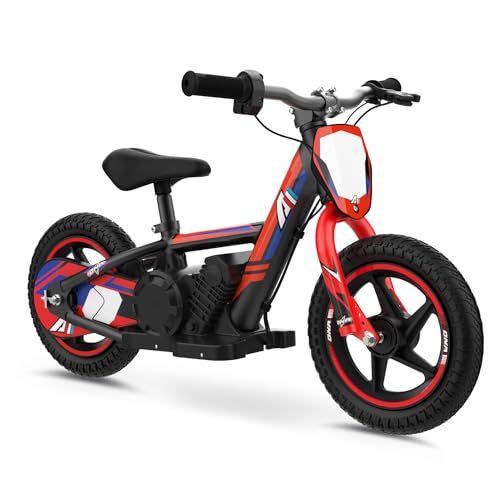
This lightweight electric dirt bike is designed for kids approximately 3 to 6 years old who crave a bit of off-road energy. It weighs about 23.2 pounds and uses 12-inch tires mounted on a robust aluminum alloy frame, delivering a sporty look without sacrificing stability. A professional variable-speed twist throttle enables precise speed modulation, offering 5 mph for beginners and up to 10 mph for more experienced riders. The dual-speed setup gives young riders a clear progression path as balance improves and riding confidence grows.
Power comes from a 24V, 150W brushless motor paired with a detachable 24V 2.6Ah lithium battery, providing roughly 40–60 minutes of runtime per charge. A rapid 1.5–2 hour recharge keeps rides ready for the next outing. The integrated transmission chain ensures efficient power transfer, while 12-inch tires offer reliable grip on paved surfaces and light off-road trails. An LED display on the throttle helps monitor speed and battery level for safe, informed rides.
K8 Electric Balance Bike For Kids
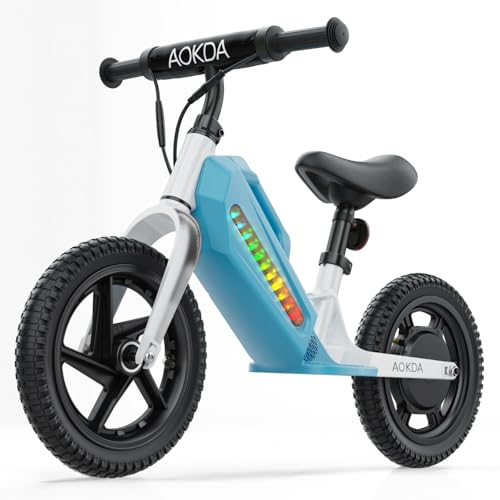
The K8 balance bike from VIPCOO targets early riders with 12-inch tires and a slim, low-profile design. It weighs about 14.7 pounds, making it easy for parents to carry and move. A 21.6V/5.2Ah battery powers a motor capable of reaching around 7.5 mph, with a projected range of up to 10 miles. The seat is adjustable to accommodate growing children, and the overall setup supports a safe progression from balance to more active riding as motor skills develop.
Safety features include a designed speed limit and a gradual ramp for initial throttle to reduce abrupt starts, lowering rollover risk for children aged 3–5. The bike’s lightweight frame and 12-inch tires deliver stable handling on smooth surfaces. Charging typically takes 3–5 hours, and the overall compact size makes it easy to store in apartments or car trunks while still offering a solid, real-bike feel for little learners.
Wonzeal Kids Balance Bike With Lighting

Wonzeal’s balance bike blends safety, performance, and playful features. It offers three speed options—4 mph, 8 mph, and 11 mph—to accommodate beginners and more confident riders. The 12-inch pneumatic off-road tires provide grip on a variety of terrains, while included knee, wrist, and elbow pads add protective coverage as kids practice balance. The design also includes a removable duck bell for extra fun, and a bright color scheme enhances visibility during late afternoon rides or dusk play.
With a 150W motor and a 25V battery, this model supports 45 to 90 minutes of continuous riding. The battery is designed for straightforward replacement if needed, and the pad set helps keep little knees and elbows safe during enthusiastic learning. The combination of protection, stability, and engaging design makes it a strong option for toddlers who want a little more speed and flair while learning to balance.
JoyRydz 6V Baby Balance Bike With Bubble Machine

The JoyRydz 6V balance bike targets the youngest riders, generally ages 1 to 4, with a 4-in-1 configuration that blends non-electric propulsion and an electric mode for easy progression. A remote control lets caregivers guide motion, while extras like a bubble machine, music, and LED lights add engaging play elements. The lower, easy-to-reach design supports early balance practice in a supervised environment, encouraging independent movement and confidence as toddlers explore motor skills.
Power comes from a compact 6V battery, delivering mild speeds appropriate for toddlers. The remote control enables safe demonstrations from a short distance, and the toy uses lightweight plastics to keep weight down for easy handling. Although it emphasizes play and development, parents should supervise use and ensure a safe, open area for practice to maximize balance-building opportunities.
Buying Guide
Key purchase considerations center on safety, age and size fit, and how the model matches a child’s current capabilities and growth trajectory. Below are essential factors to weigh when choosing an electric bike or balance bike for toddlers.
- Age and size compatibility: Start with models designed for the child’s height and weight. Adjustable seats and configurable handlebars help extend usability as kids grow taller and more confident.
- Motor power and speed: Lower top speeds reduce risk on novice riders. Consider two-wheel balance bikes for balance-first learning and three-wheel ride-ons for added stability, especially for younger toddlers.
- Battery life and charging: Look for realistic run times (roughly 40–90 minutes for most toddler models) and reasonable recharge times (2–4 hours). Detachable batteries can simplify charging and replacements.
- Safety features and durability: Speed limiters, gradual power ramps, IP ratings for moisture resistance, and a robust frame material (aluminum or steel) matter for long-term safety and reliability.
- Brakes and steering: For older toddlers, front/rear brakes provide safety, while simpler drive-by-tly controls may rely on throttle-to-stop dynamics. Ensure brakes are easy to engage and modulate.
- Tire type and ground surface: 12-inch tires are common and suited for flat, even surfaces. Pneumatic tires offer better traction on varied terrains but require more maintenance than solid tires.
- Portability and storage: Lightweight frames and compact dimensions help with transport to parks or cars, especially in apartments or multi-story homes.
- Maintenance and warranty: Check for readily available replacement parts, simple assembly, and manufacturer warranties that cover typical kid-use wear and tear.
- Budget and value: Choose a model that balances price against features like safety gear (pads), LED displays, or extra play modes (music, lights, bubble machine) for engagement and development.
What matters most is matching the product’s capabilities to the child’s current stage. For younger toddlers still learning fundamental balance, a lighter, lower-speed model with easy modulations is preferable. For preschoolers who are ready to explore modest speeds and longer rides, a bike with a steadier throttle, longer run time, and adjustable seat will help sustain interest and practice. Always supervise first rides, select appropriate protective gear, and gradually increase riding time as confidence grows.