Choosing the right brake pads is essential for safe, predictable stopping on an e-bike. Brake pad materials vary from resin to semi-metallic to full sintered metal, each offering different heat tolerance, wear resistance, and noise levels. When selecting pads, consider your riding style, weather, bike model, and compatibility with your disc brakes. The following picks represent common options for many American riders, focusing on balanced performance, durability, and value. The table below highlights the key attributes of five well-regarded pads to help you compare quickly.
| Product | Brand | Material | Compatibility | Notes |
|---|---|---|---|---|
| DYISLAND MT600 Disc Pads (Two Pairs) | DYISLAND | Semi-Metallic / Sintered Metal | LD-200PLUS; LD4X-600 | Two variants; wide braking surface; strong stopping power with good heat dissipation. |
| AGPTEK High-Performance Pads | AGPTEK | Semi-Metallic (Copper fiber + Kevlar) | Broad Shimano/Deore/Alivio family and more | Excellent heat management, low noise, long life with robust rebound and fast return. |
| PACYTION 4 Pairs Semi-Metallic Pads | PACYTION | Semi-Metallic (Copper fiber + organic resin) | Shimano MT200/M355/M446/M315/M365; many others including Tektro | Includes installation tools; cost-effective with wide compatibility. |
| PACYTION 4 Pairs Sintered Metal Pads | PACYTION | Sintered Metal | Shimano MT200/M355/M446/M315/M365 and more | Excellent heat resistance; durable for e-bikes and electric scooters. |
| Lwuey 4 Pairs Resin Disc Pads | Lwuey | Resin (Semi-Metal) with low noise | Various mechanical disc systems including common JAK-5, BBB7, BOLI | Quieter braking with reduced disk wear; good all-weather performance. |
DYISLAND MT600 Disc Pads
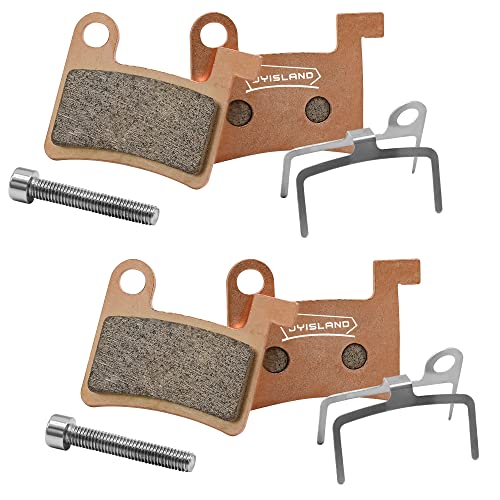
The DYISLAND MT600 pads are designed for compatibility with DYISLAND LD-200PLUS and LD4X-600 hydraulic disc brakes. They offer a choice between semi-metallic and sintered-metal materials. The semi-metallic option emphasizes a shorter bedding period with good anti-wear characteristics and heat dissipation, while the sintered variant provides stronger stopping power and wear resistance for demanding riding. The design includes a widened braking surface and thicker pad construction to sustain braking performance over extended use.
Two-pair packaging supports front-and-rear replacement, making it convenient for riders who want consistent performance across the bike. The combination of materials aims to balance heat management with stopping power, suitable for urban commutes and moderate trails. Riders who encounter varied temperatures and conditions may appreciate the flexibility of choosing a material that aligns with their braking style and rotor wear considerations. Ensure proper bedding-in to achieve optimal friction and consistent bite.
AGPTEK High-Performance Pads

AGPTEK’s pads use copper fiber and Kevlar fiber blends in a semi-metallic composition, delivering reliable heat dissipation and wear resistance. The kit includes stainless steel shrapnel and pins to promote strong rebound and reduce disc-to-pad friction, supporting a longer service life—often over thousands of kilometers depending on riding style. The design is engineered to maintain performance up to high temperatures, with a stated tolerance of up to 700 degrees Celsius, which helps preserve stopping power in hot, wet, or demanding conditions.
These pads are designed to work with a wide range of Shimano, Deore, Alivio, LX, Tourney, and other major MTB/road groups. The emphasis on dry-to-wet performance ensures traction and safety in variable weather. Riders should monitor for any unusual noise, and replace pads if wear indicators or abnormal sounds appear, as with any performance brake pad set.
PACYTION 4 Pairs Semi-Metallic Pads

This PACYTION kit bundles four pairs of semi-metallic pads with a practical set of installation tools, including a disc brake gap regulator, a hydraulic brake piston press tool, and a hex wrench. The pads combine copper fiber with organic resin to deliver wear resistance and quieter braking compared with harsher sintered options, while maintaining solid friction performance. Wide compatibility covers Shimano MT200, MT400, MT500, and many models from Tektro as well, making it a versatile choice for diverse e-bike setups.
The inclusion of tools helps riders avoid extra tool purchases, adding value beyond the pads themselves. Bedding-in and routine inspection remain essential to preserve rotor life and ensure smooth, predictable braking across wet and dry rides alike. If brake noise or irregular braking occurs, inspect pad seating and ensure correct orientation and alignment with the rotor.
PACYTION 4 Pairs Sintered Metal Pads

The sintered metal variant from PACYTION emphasizes high-temperature resistance and wear resistance, making it particularly suitable for e-bikes and electric scooters that undergo frequent heavy braking. The four-pair package includes the same installation tools as the semi-metal kit, enabling straightforward alignment and gap regulation alongside quick-access shoe replacement. These pads are broadly compatible with Shimano MT200, M355, MT400, MT500, M475, M575, TX805, T615, and T675 models, and also work with various Tektro pads, offering a robust, all-weather braking solution.
Riders should anticipate the higher friction and potentially slightly louder bite associated with sintered compounds compared with resin or semi-metal options. Bedding-in remains essential to maximize performance and rotor life. Regular inspection for wear and rotor scoring will help maintain consistent braking feel and prevent rotor damage in extreme conditions.
Lwuey 4 Pairs Resin Disc Pads

Lwuey’s resin brake pads are designed for low disk wear and quiet operation, featuring a semi-metal hybrid composition that balances bite with reduced noise. The resin blend helps protect rotors by delivering smooth, progressive braking power, making them suitable for everyday cycling in varied weather. These pads are promoted as compatible with multiple mechanical disc systems, including common brands and models used on mountain bikes and electric scooters, offering a cost-conscious option without sacrificing essential safety.
Although resin pads typically wear faster than sintered metal in aggressive riding, they excel in quiet braking and rotor protection. Bedding-in and break-in practice remain important to achieve the intended friction profile. Riders should monitor pad thickness and rotor surface during routine maintenance to ensure reliable performance across seasons and road conditions.
Buying Guide
Material Choices And Performance
Brake pads come in resin (semi-metal), semi-metallic, and sintered metal varieties. Resin pads deliver quiet braking and rotor protection with good initial bite but typically wear faster in aggressive riding. Semi-metallic pads balance noise, wear, and heat, performing well in all-around riding. Sintered metal pads excel at heat resistance and durability, maintaining stopping power under heavy use and wet conditions, but can be louder and may wear rotors more quickly. Your choice should reflect riding style, terrain, and how hard you brake in daily use.
Riding Conditions And Brake Demands
All-weather and hilly routes demand pads with thermal stability and consistent bite. Sintered pads perform reliably in hot, damp, or extended braking scenarios, such as mountain descents or cargo rides. Resin and semi-metal options suit urban commuting and light trails where quietness and rotor longevity are prioritized. If riders frequently encounter wet roads or muddy conditions, ensure the pad material maintains friction without glazing. In extreme climates, carrying a spare set or choosing multi-material options can ensure readiness for changing seasons.
Compatibility And Fit
Before buying, verify compatibility with your brake system. Many pads list compatibility with Shimano, Tektro, TRP, Deore, Acera, LX, MT-series brakes, and others. Check rotor size, caliper model, and mounting type to ensure a proper fit. Some sellers offer broad compatibility packs, while others target specific models. If in doubt, cross-check the pad part number against your bike’s service manual or consult the vendor’s compatibility guide. Correct fit reduces noise, improves bite, and extends rotor life.
Installation And Bedding-In
Proper installation includes correct orientation and seating to avoid uneven wear and noise. Bedding-in (bedding-in procedure) creates a stable transfer film of pad material on the rotor for consistent friction. Generally this involves several moderate stops from a moderate speed, gradually increasing braking pressure while cooling between stops. Avoid hard, continuous braking during bedding-in. After installation, inspect pad alignment, rotor surface, and caliper clearance. Regularly re-check torque on mounting bolts and ensure all included installation tools (if any) are used correctly to prevent misalignment.
Maintenance And Replacement
Inspect pads for wear and rotor scoring at regular intervals. Replace pads before the backing plate is exposed to prevent rotor damage or reduced braking performance. Listen for changes in noise or bite; a sharp or abnormal sound can indicate wear or misalignment. Keep rotors clean from oil or grease, which can reduce friction and pad effectiveness. When replacing, consider stocking multiple material types for different riding seasons or terrains to maintain consistent safety and performance across conditions.
Value And Availability
Evaluate value by considering pad life, performance under typical riding conditions, and whether installation tools are included. Some sets provide additional tools, which can lower overall replacement costs and streamline maintenance. Availability varies by region and retailer; consider warranty terms and seller reputation. For riders who ride frequently, investing in higher-end sintered pads may reduce rotor wear and maintenance frequency, while urban riders may prefer quieter resin or semi-metal options for daily commuting.