Safe riding after dark starts with a bright, reliable brake light. Today’s bike rear lights go beyond simple visibility, offering brake sensors, turn signals, auto on/off, and even security alarms. In this guide, we review five top brake-light options for American riders, emphasizing brightness, braking alerts, ease of installation, battery life, and rack compatibility. Each product section provides a concise overview, key features, and practical tips for choosing the right light for your bike and riding style. A quick product summary is below for fast comparison.
| Product | Brand | Key Feature |
|---|---|---|
| WSDCAM 5-in-1 Smart Tail Light | wsdcam | 5-in-1 system with horn, alarm, turn signals, auto brake light |
| ROCKBROS Smart Brake Tail Light | ROCKBROS | Brake sensing, auto on/off, multiple modes |
| RAVEMEN TR150 Tail Light | Ravemen | Brake detection, 280° visibility |
| PADONOW Smart Bike Tail Light | PADONOW | Auto on/off, smart flashing, light sensing |
| G Keni Smart Brake Sensing Light | G Keni | Brake sensing, four modes, IPX6 |
WSDCAM 5-in-1 Smart Tail Light

The WSDCAM unit blends rear visibility with a built-in bike horn, an anti-theft vibration alarm, turn signals, and an auto brake light powered by a G-sensor. Its 31-LED array delivers up to 160 lumens, offering strong daytime and nighttime visibility. Six light modes—Slow Flash, Breathing, Fast Blinking, Steady, Emergency, and OFF—allow riders to tailor signaling to conditions. The remote-operated turn signals provide clear directional cues with an audible click, helping drivers anticipate your moves. The alarm function adds security during stops, and the system remains rechargeable and waterproof for diverse riding conditions.
Designed for versatile mounting, this light fits many bike frames and cargo racks. The remote clamps to the handlebars, enabling quick activation before lane changes. When parked, the alarm can be armed and later disarmed by removing the remote, discouraging tampering. The device’s USB rechargeability and weather resistance support year-round use, including light rain. For riders who want a single device that handles signaling, braking, security, and horn alerts, the WSDCAM 5-in-1 stands out for its all-in-one approach.
ROCKBROS Smart Brake Tail Light
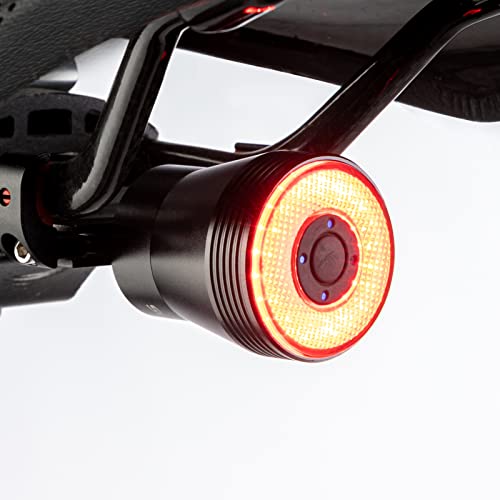
ROCKBROS offers a high-intensity rear light with brake-sensing technology. Its COB LED delivers bright output, and the light automatically activates a brake signal when deceleration is detected, helping following riders react sooner. It provides four dynamic modes—Normal Flash, Breathing Flash, Fast Flash, and Steady On—so you can adapt to traffic, weather, and speed. The auto on/off feature relies on motion and ambient light sensors, turning off after 30 seconds of inactivity and reactivating with movement. Installation is straightforward, with mounting options for under-seat or seat-post setups, and it features IPX6 water resistance for rain exposure.
Whether riding urban streets or winding trails, this tail light emphasizes quick, clear braking cues and flexible signaling. Its auto on/off helps conserve battery life, while the range of modes ensures visibility across various scenarios. For riders who value a dedicated brake-sensing function with reliable wet-weather performance, ROCKBROS delivers a compact, practical option.
RAVEMEN TR150 Tail Light

The RAVEMEN TR150 emphasizes broad visibility with four red LEDs and up to 150 lumens, ensuring detection from a distance. Its wide 280° field of view reduces blind spots for trailing riders, increasing overall safety. Brake detection automatically highlights the taillight for 2 seconds when braking, providing a clear cue to drivers behind you. The combination of high visibility and braking alerts makes it a strong choice for riders who frequently ride in traffic or at dawn and dusk. An automatic on/off feature adds convenience by conserving power when stationary.
With its compact footprint and straightforward operation, the TR150 offers a reliable, no-fruss implementation of brake-aware signaling. The wide viewing angle helps riders on mixed terrain, while the brake-detection feature is a practical safety enhancement for daily commuting and weekend rides alike.
PADONOW Smart Bike Tail Light

PADONOW focuses on brightness, smart signaling, and convenience. It features high-lumen COB LED for enhanced daytime and nighttime visibility, plus smart sensors that automatically turn the lights on while moving or vibrating and switch off when idle. The rear light includes a bright braking signal to warn following riders and pedestrians. Light-sensing technology further optimizes performance by activating in low-light conditions and dimming in brighter environments, saving battery life. The plan emphasizes simple operation and reliable auto behavior for riders who want a straightforward, intuitive tail-light system.
Auto on/off and smart flashing patterns make the PADONOW light suitable for riders who prefer a lightweight, low-maintenance option. The combination of daytime visibility, responsive braking signals, and ambient-light sensing creates a practical, everyday solution for commuting, errands, and casual rides in varying light conditions.
G Keni Smart Brake Sensing Light
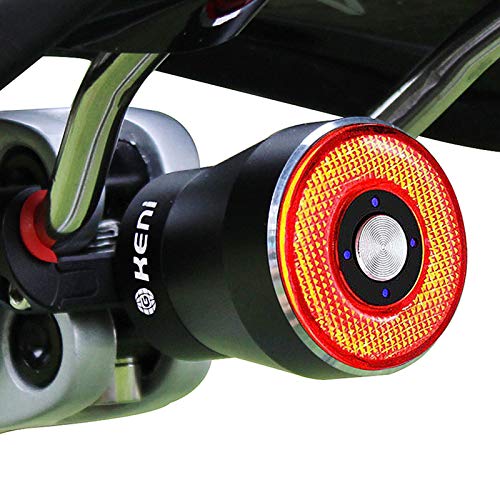
G Keni’s smart brake-sensing rear light emphasizes automatic high-brightness signaling when braking. It offers four lighting modes for flexible riding conditions, including normal and fast flash as well as steady-on options. The light includes motion and ambient light sensing for automatic on/off, helping save battery in stationary periods and brightening when you’re moving. IPX6 waterproofing ensures performance in wet weather, and, with rechargeable power, it remains a practical option for riders who need dependable braking cues in busy traffic or during night journeys.
Mounting versatility is part of the design, allowing under-saddle or seat-post installation. For riders seeking a compact, brake-focused tail light with multiple signaling options and weather resistance, G Keni provides a solid, user-friendly choice that emphasizes safety through proactive braking alerts.
Buying Guide
Key purchase considerations help riders choose a brake light that matches their bike, riding style, and urban environment. Here are factors to weigh when comparing options:
- Brightness and visibility: Look for lumens around 150–160 for daytime and night use, plus a wide beam to reduce blind spots. Higher brightness improves reaction time for drivers behind you.
- Brake sensing vs. auto on/off: Brake-sensing lights illuminate alerts when you decelerate, while auto on/off saves power by turning the light on only when motion or low ambient light is detected. Some models combine both for maximum safety and efficiency.
- Signal versatility: Turn signals, brake signals, and emergency modes help communicate intentions clearly. Consider whether a remote control is included and how it mounts to the handlebars for convenient signaling.
- Power and durability: USB-C rechargeability is common and convenient. Check IP ratings (IPX6 or higher) to ensure resistance to rain and splashes. A durable housing helps in daily use and exposure to road grit.
- Mounting options: Compatibility with under-saddle, seat-post, or cargo-rack mounts broadens where the light can be placed. For riders with racks, a rack-mount option can keep the light aligned with your line of sight.
- Additional features: Alarms or anti-theft modes add security when parking. Some lights include remote detachment features or compatibility with bike alarms, which can be advantageous for urban commuting and storage in shared spaces.
- Ease of use and reliability: Simple controls, intuitive mode changes, and consistent auto-on/off behavior reduce distraction while riding. Reliability matters most when visibility matters for safety.
In practice, the best choice depends on how you ride. Urban commuters may prefer brake-sensing lights with auto-on/off and long battery life, while riders who frequently signal turns may lean toward models with clear, audible indicators and a strong emphasis on signaling modes. For cargo-rack or pannier-mounted bikes, rack-friendly designs can save space and improve visibility. Evaluate the combination of brightness, auto features, and signaling complexity to find a light that integrates smoothly with your bike’s setup and your riding routine.