Choosing the right toddler bike means safety, durability, and growth potential. The best options for young riders combine lightweight frames, adjustable seats, reliable brakes, and easy assembly. This guide highlights five bikes that fit boys’ early riding stages—from balance bikes to training-wheel models and a traditional trike. Each model supports balance, steering, and confidence-building as kids learn to ride. Details cover age ranges, key safety features, and maintenance considerations to help caregivers select a bike that lasts through growing years.
| Product | Brand | Age Range | Key Features |
|---|---|---|---|
| JOYSTAR 12 Inch Kids Bike (Blue) | JOYSTAR | 2–4 years | Training wheels, Quick-release seat, Chain guard, DIY decals |
| JOYSTAR Pluto 12 Inch Kids Bike With Training Wheels | JOYSTAR | 2–4 years | Flash training wheel, Basket, Water bottle, Quick-release seat, DIY decals, Easy 85% pre-assembled |
| SEREED Baby Balance Bike For Toddlers | SEREED | 12–24 months | No pedals, 135° turning, Aluminum frame, Non-slip wheels |
| YGJT 3 In 1 Tricycle For Toddlers | YGJT | 2–5 years | Three modes, Foldable, Adjustable seat, Removable pedal, Non-slip handlebar, EVA wheels |
| Radio Flyer Red Rider Trike | Radio Flyer | 2.5–5 years | Classic ride, Storage bin, Lightweight, Parent grip |
JOYSTAR 12 Inch Kids Bike With Training Wheels

The JOYSTAR 12 Inch Kids Bike is designed for early riders ages 2 to 4. It features a stable training wheel setup to help beginners gain balance and confidence. The quick-release seat simplifies height adjustments as a child grows, while the saddle with a holder provides a learning aid when the training wheel is removed. A foot brake offers intuitive stopping power for young riders who are transitioning from walking to pedaling. The steel frame is built to withstand regular practice sessions and minor bumps, and a durable chain guard adds protection during play. A DIY decal option gives kids a chance to personalize their ride, fostering ownership and safety awareness.
Maintenance is minimal thanks to a simple, sturdy design and single-speed drivetrain. The bike’s construction emphasizes safety and longevity, making it a practical option for families seeking a durable first-bike experience with room to grow as children gain riding independence.
JOYSTAR Pluto 12 Inch Kids Bike With Training Wheels

The JOYSTAR Pluto 12 Inch bike adds a few kid-friendly touches to the classic starter bike. Along with training wheels for early balance, this model includes a small basket and water bottle holder—conveniences that engage kids in pretend and real-world riding scenarios. Like the first model, it uses a quick-release seat for easy height adjustments and a saddle with a learning-curve aid when the training wheels come off. A DIY decal kit and a chain guard protect little fingers and gears, while the frame is designed for straightforward assembly and daily use.
With an emphasis on safety and self-reliance, Pluto offers dependable braking control and a lightweight frame that helps caregivers manage speed and stops. It’s well-suited for toddlers who are ready to transition from guided rides to independent steering and pedaling as confidence grows.
SEREED Baby Balance Bike For Toddlers
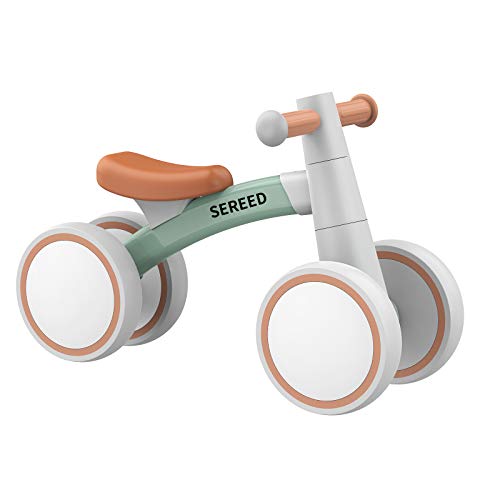
The SEREED balance bike is designed for toddlers ages 12 to 24 months who are learning balance and coordination without pedals. Its pedal-free design eliminates the risk of feet getting caught in gears, and the 135° turning limit with gravity steering helps reduce tipping during early practice. The aluminum alloy frame is lightweight yet sturdy, and the non-slip TPU handlebars and wheels offer stable grip on various surfaces. This model encourages early balance development while maintaining a simple, low-maintenance footprint for busy families.
Ideal for indoor or outdoor use, the bike supports a gentle progression from sitting to standing and gliding. Its minimalistic design focuses on safety and confidence-building, making it a practical first-step ride before introducing pedals or a traditional bike.
YGJT 3 In 1 Tricycle For Toddlers
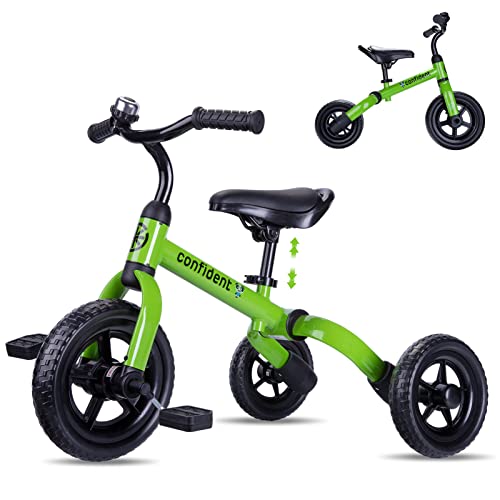
The YGJT 3-in-1 Tricycle offers versatile configurations that grow with a child from age 2 to 5. It can function as a pedal-less balance/training setup, then convert into a two-wheel balance bike, and finally become a pedal-equipped tricycle. The foldable design aids storage and transport, while the adjustable seat and detachable pedal provide growth alignment with the rider’s height. A sturdy carbon steel frame and EVA wheels contribute to a smooth ride across varied outdoor surfaces, supported by a non-slip handlebar for secure steering.
This model is well-suited for families seeking a multi-stage ride-on option that evolves with a child’s abilities. The three modes support early balance, then pedaling practice, followed by a full tricycle experience, reducing the need to upgrade as the child grows.
Radio Flyer Red Rider Trike

The Radio Flyer Red Rider Trike is a classic starter option for toddlers ages roughly 2.5 to 5 years. It emphasizes a comfortable ride with quiet tires suitable for sidewalks, driveways, and patios. The trike includes a storage bin for small treasures and a parent hand grip on the seat back to assist transport and control. Its lightweight design makes it easy for caregivers to manage on family outings, while the sturdy construction supports repeated use as a child learns to pedal and steer.
As a traditional tricycle, this model prioritizes simplicity and reliability. It offers a familiar ride experience that helps kids transition from strolling to pedaling with confidence, plus the storage feature adds practical value for daily play and exploration.
Buying Guide
When choosing a toddler bike, consider how the bike will support your child’s development and safety needs. Key aspects include age compatibility, growth potential, and the rider’s current physical skills. Here are essential purchase considerations and quick comparisons across the five highlighted models.
- Riding stage: Balance-first bikes are ideal for early balance and steering, while bikes with training wheels support beginner pedaling. Three-in-one models gradually introduce pedaling, expanding a child’s capabilities over time.
- Safety features: Look for stable training wheels, a secure chain guard, a reinforced frame, and enclosed wheels to minimize pinch points and foot injuries. A reliable braking system appropriate for small hands is important for controlling speed.
- Adjustability: Seats and, in some cases, handlebar height should be adjustable to accommodate growth. Quick-release seats reduce the hassle of ongoing height changes.
- Durability and materials: Steel frames offer strength but can be heavier; aluminum frames reduce weight for easier handling. A simple drivetrain means less maintenance for families.
- Weight and portability: Lighter bikes are easier for kids to maneuver and for parents to carry during trips or storage. Foldable designs can save space for smaller homes or apartments.
- Warranties and support: Brands offering warranties or lifetime guarantees on frames provide reassurance for active kids and busy households.
- Aesthetics and motivation: Color and theme can influence a child’s interest in riding. Consider whether a bike’s look aligns with the rider’s preferences to enhance ongoing engagement.
- Versatility and future use: A bike that can transition through stages or multiple roles (balance, pedal, tricycle) can maximize long-term value and reduce the need for immediate upgrades as skills advance.
These factors help determine whether a model is best suited for initial balance practice, growing into pedaling, or lasting as a reliable neighborhood ride. By comparing features across the top picks—training wheels, balance design, three-in-one versatility, weight, and adjustability—caregivers can identify the option that best fits their child’s pace of development and family logistics.