Choosing the right mountain bike for a growing rider means balancing frame durability, gearing, braking, and safety features. This guide profiles five top boys’ bikes suitable for ages roughly 6 to 12 and heights from about 42 to 55 inches. Each model offers a different approach to handling trails, with options ranging from basic entry bikes to full-suspension designs and fat tires for rough terrain. Read on to compare frame material, suspension, braking systems, gearing, and wheel sizes to help you pick a bike that matches your child’s skill and adventures.
| Product | Brand | Wheel Size | Gearing | Brakes | Key Feature |
|---|---|---|---|---|---|
| WEIZE 20-Inch Kids Mountain Bike | WEIZE | 20″ | 6-speed | Front & Rear V-brakes | Dual full suspension; lower standover for easy mounting |
| Glerc 20 Inch Kids Bike | Glerc | 20″ | 21-speed | Disc brakes | Front suspension; sturdy steel frame |
| DEYGIA 20/24 Inch Kids Mountain Bike | DEYGIA | 20/24″ | 7-speed | Dual-disc brakes | Suspension fork; anti-slip tires |
| Mongoose Argus ST Fat Tire Mountain Bike | Mongoose | 20″ | 7-speed | Mechanical disc brakes | Fat tires for varied terrain |
| DEYGIA 24/26 Inch Kids Mountain Bike | DEYGIA | 24/26″ | 21-speed | Dual-disc brakes | Internal routing frame; 2.125″ tires |
WEIZE 20-Inch Kids Mountain Bike

The WEIZE 20-Inch model centers on a durable steel frame designed for riders around ages 6 to 13 and heights between 42 and 55 inches. The lower standover height makes mounting and dismounting straightforward for younger riders, while the frame’s construction emphasizes safety during trail riding. Designed for entry to mid-level trail use, the bike supports confidence-building rides on gentle paths and light dirt trails.
Equipped with a 6-speed drivetrain, the WEIZE bike lets kids adjust gearing for climbs and flats without overcomplicating shifting. Its 20″ tires, sized at 2.125 inches, provide reliable traction and stability on varied surfaces. Dual front and rear V-brakes offer predictable stopping power, helping young riders develop braking technique with consistent feedback. The combination of suspension and sturdy components helps absorb bumps and reduce fatigue on longer rides, supporting ongoing skill development and exploration.
Glerc 20 Inch Kids Bike
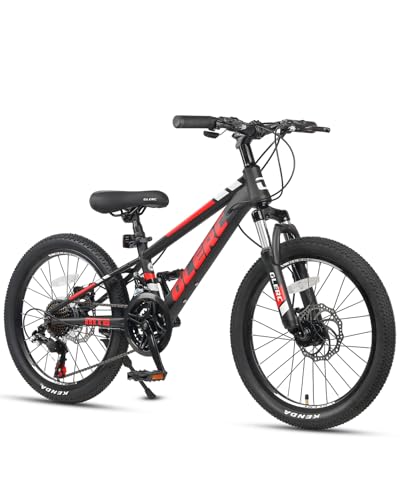
The Glerc 20 Inch Kids Bike is built around a sturdy high-carbon steel frame that stands up to off-road adventures while remaining light enough for young riders to maneuver. Its 21-speed drivetrain provides a wide range of gears, enabling kids to tackle gentle hills and varied terrains as their confidence grows. A front suspension reduces impacts from rough paths, helping maintain control on uneven surfaces, and the disc brakes deliver solid stopping power in diverse conditions, supporting safer, more controlled rides.
This model is designed with simple yet capable handling in mind, emphasizing a beginner-friendly geometry that promotes balance and stability. With a reliable wheel size and robust components, it serves as a versatile platform for kids transitioning from training wheels to more ambitious trail riding, making it a practical choice for growing riders and parents seeking longevity.
DEYGIA 20/24 Inch Kids Mountain Bike

The DEYGIA 20/24 Inch model pairs a suspension fork with a 7-speed drivetrain, designed to help kids handle climbs and mixed terrain with smoother gear transitions. Dual-disc brakes provide strong, reliable stopping power, which is especially valuable on downhill sections or loose surfaces. The bike features 2.35 inch anti-slip butyl tires for better traction across dirt, gravel, and wet pavement, enhancing rider confidence on unpredictable trails. A sturdy steel frame supports daily use and occasional misadventures on family bike days.
In addition to its performance features, the bike includes comfortable handlebars and padded seating to reduce fatigue during longer rides. The 20-inch version suits younger riders, while the 24-inch option provides a growth path for taller children, helping families extend the bike’s usable life as kids grow taller and more capable on the trails.
Bike Handlebar Grips with Tassel Streamers

Note: This item is a replacement accessory and does not pertain to the core frame and drivetrain features of the bikes above. It serves as an example of how accessory upgrades can personalize a ride while maintaining safety standards, such as comfortable grip texture and ergonomic sizing for smaller hands.
Mongoose Argus ST Fat Tire Mountain Bike

The Mongoose Argus ST is built around a lightweight yet durable aluminum frame and 20-inch wheels suitable for kids roughly 4’3″ to 5′ tall. It features 7-speed gearing and fat tires—around 4 inches wide—that provide exceptional traction on dirt, sand, mud, and even light snow. Mechanical disc brakes offer solid stopping power in varied conditions, while the broad tire footprint enhances stability for riders building confidence on more challenging terrains.
This bike emphasizes rugged reliability and beginner-to-intermediate off-road capability, making it a good choice for kids who want to explore a mix of paths, fire roads, and grassy trails. The fat tires also improve balance and floatation on soft surfaces, helping riders feel secure on new adventures without needing advanced riding techniques.
DEYGIA 24/26 Inch Kids Mountain Bike
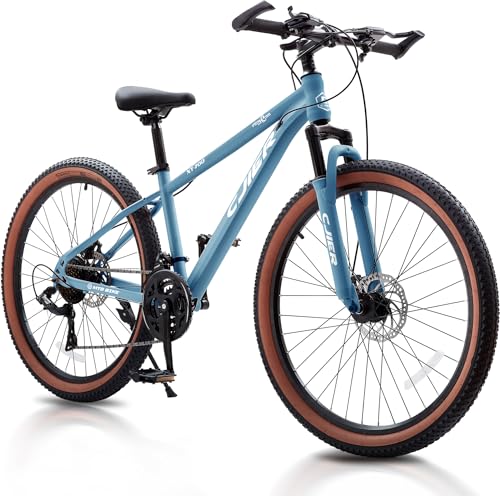
The DEYGIA 24/26 Inch bike targets taller riders with sizes that accommodate growing limbs, featuring 24 or 26-inch wheels and a 21-speed drivetrain for a broad range of terrains. A suspension fork helps absorb bumps on uneven trails, while dual-disc brakes enhance stopping performance and safety on slopes or loose surfaces. The frame’s internal wiring design reduces wind resistance and helps keep cables protected, contributing to a cleaner look and smoother maintenance. The tires are 2.125 inches wide, providing stable traction across different terrains.
With its durable steel frame and thoughtful geometry, this model supports longer rides and more ambitious routes as kids gain confidence. The combination of a robust drivetrain, reliable braking, and comfortable ergonomics makes it a practical long-term option for families who anticipate continued growth and trail exploration over several seasons.
Buying Guide
Fit, Sizing, and Wheel Options
Choosing the right wheel size is essential. Smaller wheels (20 inches) suit younger riders with shorter reach, improving handling and balance, while 24 and 26-inch wheels support taller riders and longer legs. Frame geometry should allow a comfortable reach to the handlebars and a proper knee bend during pedaling. Always verify the rider’s inseam and standing height, and consider a bike with adjustable seat post and handlebar stem to extend usability as children grow.
Gearing and Braking Systems
Gearing ranges vary from 6 to 21 speeds. More gears offer easier climbing and faster cruising on varied terrain, but they add complexity. For younger riders, a modest gear range paired with intuitive shifting reduces cognitive load. Brakes matter for safety; disc brakes (mechanical or hydraulic) generally perform better in wet or muddy conditions than V-brakes. Dual-disc setups provide balanced braking, while single-disc front and rear combinations can be simpler and lighter for beginners.
Suspension and Terrain Adaptability
Front suspension helps absorb rough surfaces and reduces fatigue on longer rides. Full suspension improves comfort on rocky or root-strewn trails but adds weight and cost. For beginners or casual riders, a solid front-suspension bike often offers sufficient protection, while more serious young riders may benefit from dual-suspension models that maintain traction on dappled terrain.
Frame Material, Durability, and Maintenance
Frame material impacts weight, durability, and ride feel. Steel frames are typically strong and affordable, while aluminum frames offer lighter weight and easier handling. Consider weld quality, tube thickness, and finish durability, especially for outdoor adventures where bikes endure mud, dust, and moisture. Regular maintenance—checking brake pads, cables, chain lubrication, and tire wear—extends bike life and keeps performance reliable.
Safety Features and Comfort
Look for age-appropriate sizing, easy-to-operate brakes, and a comfortable saddle. Adjustable seat posts and handlebars help tailor fit as the child grows. Reflectors, proper lighting for dusk rides, and a well-fitted helmet are essential safety components. A lower standover height reduces the risk of falls during mounting and dismounting, especially for younger riders who are still refining balance and control.
Budget Considerations and Value
Prices vary with wheel size, suspension, and gear complexity. A well-built bike with a durable frame and reliable brakes can provide excellent long-term value, especially as a child grows. Balance upfront cost with expected usage—daily school rides or weekend trail adventures—so the bike remains a practical choice for multiple seasons rather than a single growing phase.
Comparative snapshot
- Wheel sizes: 20″ (suitable for younger riders) vs 24/26″ (for taller kids). Choose based on rider height and inseam measurement.
- Suspension: Front or full suspension affects comfort on rough trails and weight; consider rider experience level.
- Gearing: More speeds offer climbing versatility but require more shifting practice; match to the child’s confidence.
- Brakes: Disc brakes provide consistent stopping power in varied conditions; V-brakes are lighter and often simpler to maintain.
- Durability: Steel frames are sturdy and economical; aluminum frames are lighter and easier to handle but can cost more.