Choosing a helmet for a very young rider requires careful sizing and safety considerations. While many infant and toddler helmets cover head circumferences from about 44 cm to 52 cm, sizes and age recommendations vary by brand. For a 6-month-old, fitting can be challenging, and pediatric guidance is advised before riding. This article reviews five infant- and toddler-friendly helmets with small head sizes, adjustable fits, and lightweight designs to help parents and guardians make informed choices. A quick summary table below highlights each product at a glance.
| Product | Brand | Size Range | Notable Feature |
|---|---|---|---|
| Schwinn Teddy Bear Infant Helmet | Schwinn | 44-50 cm | 3D teddy bear design, adjustable dial |
| Schwinn Purple Polkadots Infant Helmet | Schwinn | 44-50 cm | Lightweight shell, multiple vents, integrated visor |
| GLAF Baby Bike Helmet Toddler | Glaf | XS for 18 months+, 18.1″ – 20.0″ | PC shell with EPS foam, adjustable sizing |
| Schwinn Carnival Colors Helmet | Schwinn | 48-52 cm | Vented, lightweight with visor |
| Retrospec Scout Toddler Bike Helmet | Retrospec | Two sizes (adjustable) | Lightweight with 14 vents and Ergoknob-2 dial |
Note: The products listed here target very young children and toddlers, including sizes that may fit around 6 months and up. Always verify head circumference and follow safety guidelines provided by pediatric professionals before use.
Schwinn Teddy Bear Infant Helmet
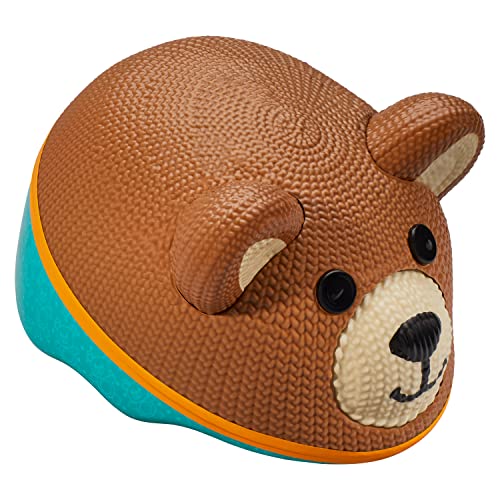
The Schwinn Teddy Bear infant helmet is sized for kids with a 44 to 50 cm head circumference, making it a practical option for very young riders. It features a 360-degree dial fit system with full-range interior padding, providing a snug, secure fit that can grow with your child as their head size changes. The design prioritizes comfort with a lightweight shell and distraction-free fit, helping little riders stay cool and focused during rides.
- Adorable 3D teddy bear design
- 360-degree dial fit system for easy adjustment
- Full interior padding for comfort
- Lightweight shell to reduce fatigue
- Lower molded shell for added protection
As a transitional helmet, it balances cute aesthetics with essential safety features, making it a common first helmet choice for toddlers starting on bikes or trikes.
Schwinn Purple Polkadots Infant Helmet

The Purple Polkadots version mirrors Schwinn’s infant helmet approach with a 44-50 cm size range, ensuring a snug fit for small heads. The 360-degree dial fit system, combined with interior padding, helps secure the helmet as a growing child’s head changes shape. The helmet is engineered to be ultra-lightweight, with multiple air vents to facilitate airflow, helping keep little ones comfortable on longer outdoor sessions. An integrated visor adds sun protection for curious eyes during sunny rides.
- Adorable purple polka dot design
- 360-degree dial fit system and padding
- Ultra-lightweight shell with ventilation
- Integrated visor for eye protection
This model provides consistent comfort and visual appeal, making it a popular pick for early bike adventures and stroller rides alike.
GLAF Baby Bike Helmet Toddler

The GLAF helmet is designed for toddlers aged 18 months and older, with a two-size approach that includes XS (18.1″–20.0″) and a larger option for older kids. The helmet is built with a PC shell and EPS foam, providing robust impact resistance while keeping weight manageable for smaller heads. It’s advertised as suitable for a broad range of activities, including cycling, skating, and inline skating, offering versatility beyond bikes alone. Proper sizing by measuring slightly above the eyebrows ensures a correct fit.
- Two-size system (XS and larger) for growing heads
- PC shell with EPS foam for impact protection
- Multi-sport suitability (cycling, skateboarding, inline skating)
- Suggested sizing notes for accurate fit
Parents can appreciate the simple sizing guidance and the helmet’s modular design, which supports continued use as a child grows into larger head sizes.
Schwinn Carnival Colors Helmet

The Carnival Colors helmet is sized for toddlers with a 48-52 cm head circumference, targeting ages 3-5. It emphasizes ultra-lightweight comfort with multiple vents to promote airflow. An integrated visor helps shield eyes from the sun, reducing glare during outdoor activities. The 360-degree dial fit system ensures a snug, adjustable fit as your child grows, delivering reliable protection during learning-to-ride phases and early bicycle outings.
- Colorful multicolored design
- Lightweight construction with ventilation
- Integrated visor for sun protection
- Adjustable dial fit for growing heads
While aimed at a slightly older age group than the Teddy Bear and Polkadots options, this helmet remains a strong option for children transitioning from toddler to preschool sizes.
Retrospec Scout Toddler Bike Helmet

The Retrospec Scout helmet focuses on premium safety with a lightweight, out-mold PVC shell and EPS foam for impact absorption. It’s designed to fit little riders securely with a no-dig, fully adjustable nylon chin strap and an Ergoknob-2 dial for easy, precise sizing. The helmet features 14 vents to maintain airflow, promoting comfort during active play and longer rides alike. This model emphasizes a balance of safety, comfort, and adjustability in a compact, kid-friendly package.
- Lightweight PVC shell with EPS foam
- Ergoknob-2 dial fit for precise adjustment
- No-dig chin strap for comfort
- 14 vents for enhanced cooling
Retrospec’s Scout helmet provides a versatile, multi-sport shield suitable for biking, skating, and outdoor exploration, with a focus on an approachable fit for younger children.
Buying Guide
Fit First: Measuring and Sizing
Accurate sizing is critical for safety. Start by measuring the child’s head circumference at the widest part of the head, about one inch above the eyebrows. Many helmets for infants and toddlers use a 44-50 cm range, while some extend to 48-52 cm. Adjustable dial systems and multiple interior paddings help accommodate growth within a season or two, but never force a helmet on a head that is clearly too small. If growth spurts occur, consider swapping to a larger size and retaining a snug, secure fit with the adjustment mechanism.
Safety Standards and Certifications
Look for helmets that meet recognized safety standards such as CPSC certification for children’s helmets in the United States. These standards verify impact protection and retention systems appropriate for young riders. Some helmets may also carry additional certifications, but the essential requirement is a reputable safety standard seal. Avoid helmets without verifiable safety certifications, and replace any helmet after a crash or notable impact, even if there’s no visible damage.
Material, Weight, and Durability
A helmet should be light enough for small heads to wear comfortably without becoming fatigued. A PC shell with EPS foam is a common, durable construction that balances protection and weight. Interior padding should be removable and washable to maintain hygiene, particularly for very young children who might drool or sweat more during early bike days. A lower molded shell can add reinforcement in critical areas, contributing to overall safety without significantly increasing weight.
Ventilation and Comfort
Ventilation is more than a comfort feature; it reduces heat buildup and helps keep a child willing to wear the helmet. Helmets with multiple vents and well-designed channeling promote airflow. For very young riders, comfort is essential to encourage consistent wearing during practice sessions, rides around the neighborhood, or stroller-assisted bike outings.
Visors, Coverage, and Aesthetics
Visors can shield eyes from sun glare and wind, particularly during afternoon rides. Integrated visors are commonly found on infant and toddler helmets and can be helpful for outdoor exposure. At the same time, ensure full coverage around the sides and back of the head to protect against impacts from all angles. Aesthetics matter for children, as engaging designs (animals, colors, or patterns) may improve likelihood of consistent helmet use.
Adjustability and Growth
Choosing a helmet with a robust dial-fit system and ample interior padding helps accommodate a growing head. Some helmets offer two-size steps (XS to S or similar), which can extend usability as the child grows. Check that the chin strap is easy to adjust and remains secure without causing chafing behind the ears or under the chin.
Practical Use and Versatility
For very young riders, helmets may be used on bikes, balance bikes, trikes, scooters, or during supervised stroller rides. If your child participates in multiple activities, a helmet with multi-sport compatibility and reliable ventilation can simplify gear management and ensure consistent safety across activities.
Practical Comparisons
- Size coverage: Most 44-50 cm models fit smaller infants and toddlers, while 48-52 cm models fit slightly older toddlers, roughly 3-5 years, requiring attention to growth trends.
- Adjustability: Helmets with 360-degree dial fits and Ergoknob adjustments provide quick, precise fitting, which is especially helpful for rapidly growing children.
- Designs and appeal: Aesthetics such as teddy bears, polka dots, galaxy themes, and colorways influence a child’s willingness to wear the helmet consistently, which is a key safety factor during early years.
In practice, the best option balances a snug, secure fit with comfort, ventilation, and age-appropriate sizing. If a helmet does not stay securely on a child’s head during simple tests (e.g., shaking the head gently), it is not an appropriate size, and a larger model should be considered if the fit is safe and secure.