Choosing the right first bike for a toddler blends safety, growth potential, and simple fun. Balance bikes without pedals help very young riders build confidence, balance, and coordination, setting the stage for confident cycling later. The following five options represent a mix of four-wheel designs, glow features, and multi-mode bikes designed for 12-24 months and up to about three years. Each model prioritizes stability, durable construction, and age-appropriate guidance so parents can watch their little one discover motion with control and joy.
| Product | Brand | Notable Feature |
|---|---|---|
| SEREED Balance Bike for Toddlers | SEREED | Four-wheeled, pedal-free learning with 135° turning limit |
| Gamfeiny Colorful Lighting Balance Bike | Gamfeiny | Glow-in-rear-wheel with no batteries required |
| Umatoll Colorful Lighting Balance Bike | Umatoll | Adjustable seat and glow wheels for engaging practice |
| newyoo 5-in-1 Toddler Bike | newyoo | Five modes: tricycle, balance bike, and bicycle setups |
| Retrospec Cricket Walker Balance Bike | Retrospec | Simple four-wheel beginner design with durable build |
SEREED Balance Bike for Toddlers
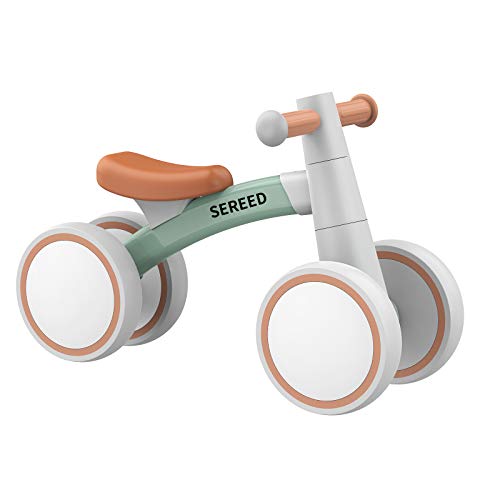
The SEREED Balance Bike is designed to help toddlers transition from walking to riding with safety and confidence. Targeted at ages 12-24 months, this four-wheel, pedal-free design emphasizes balance, steering control, and coordination. Its lightweight aluminum alloy frame keeps the toy sturdy without becoming cumbersome for caregivers to maneuver, while a softly cushioned seat provides comfortable seating during practice sessions. The tires are non-slip and gentle on indoor floors, enabling curious kids to explore movement on a carpet, rug, or smooth pavement. The bike’s conservative footprint makes it ideal for small living spaces and early mobility exploration.
Safety is central to the SEREED model. It features fully widened closed wheels to prevent little feet from getting pinched or caught, and a turning limit of 135 degrees to reduce tipping risk. Gravity steering helps the rider feel stable as they practice leaning into turns, with guidance possible from adults without requiring pedaling. The combination of a robust aluminum frame and wear-resistant wheels supports repeated use indoors or outdoors, making it a practical first ride that can endure everyday play and occasional outdoor adventures. The design encourages exploration while keeping safety expectations clear for busy households.
Gamfeiny Colorful Lighting Balance Bike

Gamfeiny’s balance bike blends visual appeal with developmental value for children aged 10-36 months. The four-wheel, no-pedal setup invites toddlers to push off, balance, and steer, building core motor skills in a fun, low-pressure format. A standout feature is the rear wheel that glows with color when spun, adding engaging sensory feedback without any batteries or charging requirements. This simple glow encourages extended practice as little riders experiment with speed, posture, and balance on a safe platform that supports early walking-to-ride progression.
Safety and design considerations are woven throughout. The bike uses a fully enclosed wheel design to prevent toes from slipping into gaps and a 135° steering limiter to minimize side falls. Non-slip grips on the handlebar and non-slip wheels protect floors and reduce slips on various surfaces. Despite being a playful toy, the frame remains sturdy enough for daily use and gentle wear, ensuring it can withstand repeated sessions as a child learns to trust their balance and gait while transitioning toward a real bicycle.
Umatoll Colorful Lighting Balance Bike

Umatoll adds glow-style appeal to early riding with a four-wheel design that accommodates 12-24 month olds. The rear wheels light up with a spin, creating an inviting incentive for little riders to push off and explore balance. An adjustable seat with three positions grows with your child, helping extend use across several months as the toddler’s leg length increases. The 135-degree steering limit and fully enclosed wheels emphasize safety, reducing the risk of tipping or foot injuries. The TPU handle provides a secure grip, supporting steady learning in multiple environments.
The assembly is straightforward, with a focus on long-term comfort and adaptability. Parents can adjust the seat height to keep feet flat on the ground while experimenting with balance and steering. The combination of a sturdy frame and durable wheels allows for indoor practice on carpets and outdoor use on smooth paths, enabling consistent training opportunities as a child’s confidence and coordination improve. Umatoll’s approach centers on gentle progression and visual engagement as primary motivators for early riding.
newyoo 5-in-1 Toddler Bike

newyoo delivers a versatile, long-term riding solution suitable for children from roughly one to three years old. The bike starts as a three-wheel tricycle and evolves into a balance bike and bicycle mode as balance and coordination progress. A push handle helps caregivers guide younger riders, which can ease transitions during early sessions. The framework is designed for quick transformations, enabling families to switch modes with a single button press and, in some configurations, quick-release pedals for little riders who want to attempt pedal motions sooner than expected.
Durability and safety are emphasized through carbon steel framing, nylon rear legs, aluminum alloy components, EVA wheels, and an environmentally friendly PP seat. EN188 and ASTM certifications reinforce the product’s commitment to safety and longevity. Assembly is simple, with no tools required for everyday mode changes, helping parents get kids riding quickly and confidently. The 5-in-1 setup makes this model a practical investment for families seeking a single, adaptable ride that grows with a child’s abilities and interests across 12-24 months and beyond.
Retrospec Cricket Walker Balance Bike
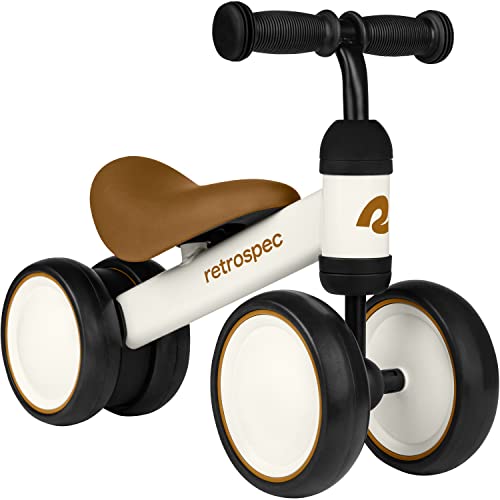
Retrospec Cricket is designed as a beginner-friendly four-wheel walker for toddlers aged 12-24 months. The design emphasizes safe, motion-friendly play, allowing little riders to keep feet on the ground while learning to balance, push, and glide. The sturdy yet lightweight frame supports frequent use, and non-slip wheels protect floors and surfaces from scuffs or damage as confidence builds. This model focuses on gradual skill development and reliable control, providing a dependable first-bike experience that helps kids master pace, stopping, and steering with minimal risk of overexertion or imbalance.
Cricket’s straightforward design prioritizes stability and simplicity. A wide wheelbase and low seat height help kids mount and balance with ease, while the absence of pedals reduces potential foot injuries during early sessions. This approach works well for both boys and girls and serves as a solid springboard into more advanced riding later. The scratch-resistant wheels add durability in homes with busy play areas, and the overall build aims to withstand the curiosity and occasional roughhousing typical of toddler play while fostering foundational motor skills.
Buying Guide
Age and Size Considerations
First bikes should align with a child’s current height and gross motor development. Most models in this round target roughly 12-24 months, with some extending to 36 months depending on seat height and frame length. Look for adjustable seats and handlebar placements to accommodate growth. A bike that can be used for a longer period saves money and reduces the need for multiple purchases as a child develops balance and coordination.
Safety Features to Prioritize
Key safety features include pedal-free designs, wide, enclosed wheels to prevent foot injuries, and a gentle steering mechanism such as a 135-degree limit to reduce tipping. Non-slip handles and durable wheel surfaces protect little ones during indoor and outdoor use. Certifications from recognized standards bodies (for example ASTM or EN71) add assurance that the bike meets safety benchmarks for young riders.
Wheel Configuration and Stability
Four-wheel designs tend to offer greater stability, especially for the newest walkers who may wobble more during initial sessions. Some models incorporate glow features or bright colors to encourage interaction, while others emphasize plain, sturdy frames for serious balance practice. The choice between 3-wheel and 4-wheel configurations often comes down to a child’s confidence level and the user’s preference for indoor versus outdoor use.
Adjustability and Comfort
Adjustable seats and handlebars extend the usable life of a bike. Comfort features such as cushioned seats and soft grips reduce fatigue during longer practice periods. A lightweight frame makes it easier for parents to carry and reposition the bike between rooms or to the yard for outdoor sessions. Consider the ease of adjustments; models that require no tools can save time during quick transitions between sessions.
Materials, Durability, and Maintenance
Common materials include aluminum alloys and steel frames, with durable wheels built to resist scuffs. EVA or rubber tires provide a balance between grip and weight. Check for weld quality and the overall finish, as well as whether components like bearings or axles are sealed against dirt. Regular cleaning and minimal maintenance should be possible to keep the bike safe and functional over many months of use.
Value, Longevity, and Comparisons
When evaluating value, compare the number of modes (for multi-function bikes), the range of seat-adjustment positions, and the potential to grow with the child. Five-in-one bikes may offer the best long-term value by supporting multiple stages of development from early walking to more advanced riding. Read reviews for real-world feedback on how well each model transitions between modes and whether the assembly remains straightforward after repeated use.