On busy roads and shared bike lanes, a reliable bell is a simple, effective safety tool. Road cyclists benefit from a compact, unobtrusive bell that delivers a clear, timely ring without distracting from speed or aerodynamics. The best road bike bells combine durability, weather resistance, and a sound that truly penetrates foot traffic and car noise. This guide examines top options designed for road handlebars, focusing on compact size, adjustability, and audible performance to help riders choose a bell that matches their grip, riding style, and priorities.
| Product | Brand | Key Benefit |
|---|---|---|
| Ravemen Q3 Dual-Hammer Road Bell | Ravemen | Ultra-compact, aero-friendly with 180° adjustability |
| Topcrown Aluminum Road Bell | Topcrown | Hidden design with crisp, loud 110 dB tone |
| EQIIO Road Bike Bell | EQIIO | 100 dB, durable copper shell, 180° swivel |
| Accmor Classic Road Bell | Accmor | Lightweight aluminum with rust resistance |
| Crane E-Ne Road Bell | Crane | Made in Japan, versatile mounting, resonant tone |
Ravemen Q3 Dual-Hammer Road Bell

The Ravemen Q3 is a compact, aero-friendly road bell designed for high-speed riding. It employs a dual-hammer system with one fixed hammer and one flexible hammer, enabling ringing from multiple hand positions while maintaining a low profile on the drop bars. A 180° adjustment range (-90° to 90°) tailors the bell to finger length and riding posture, so riders can reach it naturally without shifting grip. Measuring 55 × 28 × 30 mm and weighing 33.5 g, it stays unobtrusive yet accessible, blending with matte black styling for an integrated look that won’t disrupt control during climbs or sprints.
Topcrown Aluminum Road Bell

Topcrown pairs hidden design with practical functionality, saving space on busy handlebars while delivering a crisp, loud signal. With a voice rated up to 110 dB, the bell is clearly audible in noisy urban environments. Crafted from aluminum alloy, it is lightweight and resistant to rust and aging, making it suitable for daily road cycling and mixed-terrain rides. It fits handlebars from 22.2 to 31.8 mm and includes anti-skid pads to accommodate varied bar shapes. The result is a compact, durable bell that stays out of the wind yet never sacrifices safety.
EQIIO Road Bike Bell

EQIIO emphasizes a loud, clear signal with a durable build. The bell uses a corrosion-resistant copper shell and reinforced nylon base to endure rain and road grime, while a 180° swivel and dual hammers allow ringing from multiple angles without moving the hands off the bars. At about 100 dB, it projects a crisp, penetrating tone suitable for urban streets and light commuting. Its compact form fits 22.2–31.8 mm handlebars, making it a versatile option for road and hybrid bikes alike.
Accmor Classic Road Bell
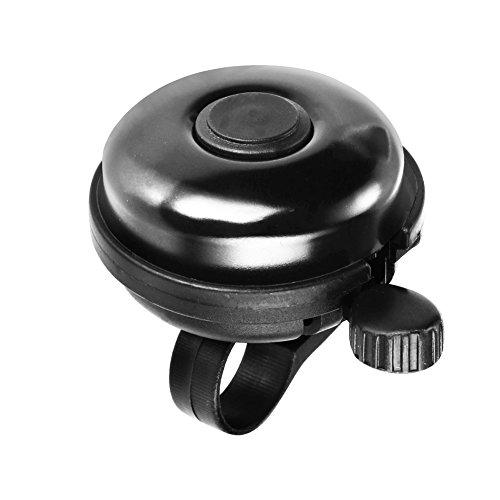
Accmor offers a classic aluminum bell with a modern edge. The combination of aluminum and engineering plastic yields rust resistance and durability suitable for rainy commutes and long rides. It is designed to fit a wide range of road and mountain handlebars, and its crisp ring is audible to pedestrians and drivers. The minimalist build keeps handlebar real estate uncluttered while providing a reliable, everyday warning signal that riders can trust during busy traffic, chicane corners, and urban crossings.
Crane E-Ne Road Bell
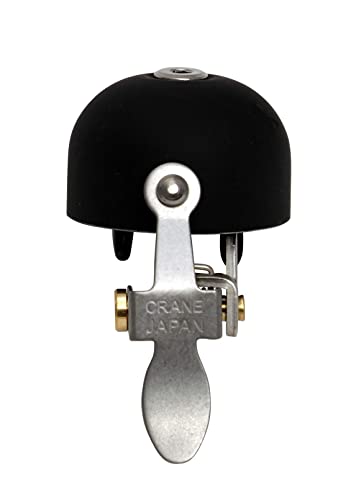
The Crane E-Ne bell is a compact, made-in-Japan option that can be positioned on top of the handlebar or in front of the bar for an aero, less visible profile. It fits 22.2–31.8 mm bars and features a brass or aluminum alloy dome that produces a bright, resonant ring. The model emphasizes craftsmanship and durability, with rust-resistant stainless steel mounts and springs and no plastic parts. Its matte black aluminum dome version offers a modern look, delivering a clear impulse without adding weight to the wheelset or steering.
Buying Guide
Key purchase considerations for road cyclists include compatibility, loudness, and installation ease. First, verify the handlebar diameter your bike uses; most road bikes use 22.2–31.8 mm bars, with some compact options near 28–31 mm. A bell with an adjustable mounting range and anti-skid pads helps ensure a secure fit across different shapes and textures. Loudness matters, but so does tone quality and projection; options range from 90 dB to 110 dB or more, with sharper tones often preferred for urban riding.
Material choices influence durability and weather resistance. Aluminum bells are lightweight and rust-resistant, while brass bells may offer a warmer tone and longer sustain. Copper or alloy shells can deliver crisp rings, but they should be paired with corrosion-resistant mounts. Another consideration is the number of hammers and adjustability: a dual-hammer or 180° swivel design provides flexibility for riders with different grip positions or riding postures.
Size, weight, and aerodynamics are important for performance-focused riders. Ultra-compact bells minimize drag and visual clutter on the handlebars, while larger bells may be easier to reach for riders with longer fingers. Aesthetics can also matter for some riders who prefer a concealed look that blends with the bike’s lines. Finally, installation should be straightforward, with clear mounting instructions and minimal tools required.
For diverse rider needs, consider a mix of bells in your kit: a compact option for sprinting and on-the-fly signaling (such as the Ravemen Q3), a louder all-around model for urban streets (Topcrown or EQIIO), and a robust, weather-ready choice for daily commuting (Accmor or Crane). This approach ensures you have reliable audible signals across varying road conditions, traffic densities, and weather scenarios.