Choosing a first bike for a toddler means balancing safety and fun while encouraging balance and confidence. This guide highlights five popular options designed for two-year-olds and older, spanning balance bikes, tricycles, and 2-in-1 designs. Each option emphasizes stability, adjustable sizing, and durable materials for indoor and outdoor play. Use the summary table to compare basics at a glance, then dive into full product details below to help identify the best fit for your child’s growth and space.
| Product | Brand | Age Range | Type | Why It Stands Out |
|---|---|---|---|---|
| SEREED Baby Balance Bike | SEREED | 12-24 months | Balance Bike (no pedals) | Promotes balance and confidence with safe, pedal-free design |
| KRIDDO Toddler Balance Bike White | KRIDDO | 24 months-5 years | Balance Bike | Removable customizable plate and strong carbon-steel frame |
| newyoo Toddler Bike TR007 | newyoo | 1-3 years | 4-in-1 Tricycle/Toddler Bike | Five modes for growth and adjustable steering |
| YGJT 3 In 1 Tricycle | YGJT | 2-5 years | Tricycle to Balance Bike | Foldable design and multi-mode versatility |
| KRIDDO 2-In-1 Tricycle And Balance Bike | KRIDDO | 18 months-3 years | 2-in-1 Tricycle / Balance Bike | Pedal storage and adjustable settings |
SEREED Baby Balance Bike
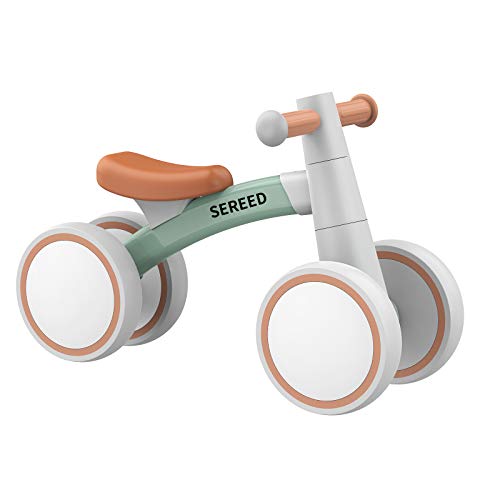
Designed for toddlers between 12 and 24 months, this no-pedal balance bike helps children develop balance, steering, and coordination while building early confidence. Its lightweight aluminum frame reduces fatigue during practice sessions, and the widened, non-slip wheels provide stability on varied surfaces. The 135-degree turning limit and gravity steering keep kids upright and in control as they learn. With a pedal-free design, tiny feet stay safe while the child pushes and glides indoors or outdoors. Comfort is enhanced by a soft seat and secure grips, encouraging longer play sessions.
- Age suitability: 12–24 months
- No-pedal balance design for safe practice
- Lightweight aluminum frame with non-slip wheels
KRIDDO Toddler Balance Bike White
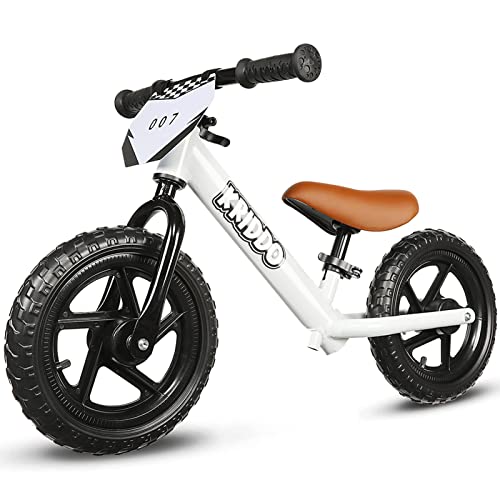
This balance bike targets children from 24 months up to about 5 years old, featuring a sturdy carbon-steel frame that supports substantial weight and durability. It comes with a removable customizable plate so kids can personalize their ride using stickers or drawings. The bike includes soft PU seating and soft-grip handlebars for comfortable handling as little riders push, balance, and steer. Parents will appreciate the high build quality and stability that help kids transition to a pedal bike smoothly as they mature.
- Removable customizable plate
- Soft-grip handlebars and PU seat
- Strong, durable carbon-steel frame, high weight limit
newyoo Toddler Bike TR007

The 5-mode design makes this a versatile choice for growing toddlers: Push Tricycle, Push Balance Bike, Tricycle, Balance Bike, and Bike modes. It features a 135-degree rotating parent steering handle to control speed and direction, with adjustable height for both handlebar and seat to accommodate changing heights. Pedals can be folded away or adjusted as needed, allowing a smooth transition from a guided ride to independent pedaling as kids gain confidence. The setup supports 1–3 year-olds with a focus on safety and growth.
- Five modes for growing riders
- 135-degree parent steering for safe guidance
- Adjustable handlebar and seat with pedal options
YGJT 3 In 1 Tricycle
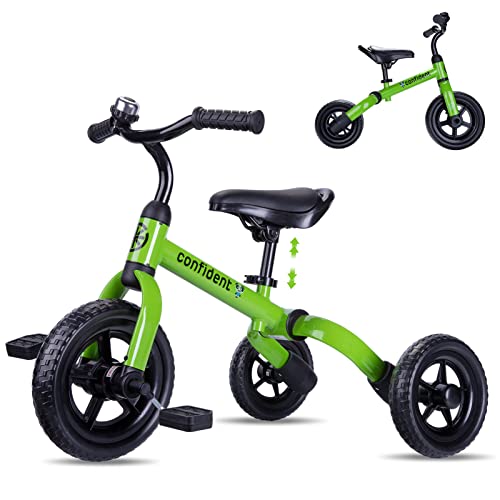
This 3-in-1 option fits children aged 2–5 years and transitions from a pedal-less balance bike to a pedal-equipped ride-on as they grow. It features a folding, portable design for storage and travel. With a durable carbon steel frame and EVA wheels, it handles a variety of outdoor terrains. The seat is adjustable from 15.7 to 18.5 inches, and the pedals are detachable for easy conversion between modes, offering a long life span across several stages of early development.
- Three-to-five-year growth versatility
- Foldable design for simple storage
- Adjustable seat and detachable pedals
KRIDDO 2-In-1 Tricycle And Balance Bike

This innovative 2-in-1 design combines a tricycle and a balance bike in one versatile frame, ideal for toddlers from about 18 months to 3 years. It includes a built-in pedal mounting that enables easy transition to a classic balance bike by storing or detaching pedals, and stowable training wheels for added stability during early practice. With a carbon steel frame and thoughtful geometry, it balances safety with growth, letting caregivers adapt to a child’s developing riding skills.
- 2-in-1 mode: trike and balance bike
- Pedal storage and detachable/ stowable wheels
- Adjustable components for growing riders
KRIDDO Tricycles For Toddlers Green

This KRIDDO tricycle supports children ages approximately 24 to 48 months with a focus on developing steering skills, balance, and coordination. Its widened wheelbase helps prevent tipping during early rides, and the ergonomic seat and non-slip grips provide comfort for prolonged play. The design is aimed at helping kids gain confidence as they explore outdoor spaces, while remaining sturdy and easy for parents to manage during setup and storage.
- Wide wheelbase for stability
- Ergonomic seat and non-slip grips
- Easy to carry and store
Buying Guide
Safety First: Design And Stability
For toddlers, safety is the top priority. Look for pedal-free balance bikes or bikes with broad wheelbases and protective edges. Rounded frames, soft grips, and non-slip contact points reduce injury risk. A low starting seat height helps kids reach the ground easily, while wide, stable bases prevent tipping during practicing sessions.
Sizing, Adjustability And Growth
Children grow quickly, so adjustable components matter. Seats and handlebars that adjust without tools (quick-release mechanisms) let the bike match height as your child grows. Some models offer substantial seat height ranges (for example from around 12.6 to 17.1 inches) and adjustable handlebar heights, enabling years of use from a single purchase.
Pedals, Modes And Transitioning To Pedals
Balance-only bikes teach balance first; many families prefer 2-in-1 designs that can convert to pedal bikes later. Pedal storage options and removable pedals reduce the risk of losing parts when switching modes. If you anticipate teaching coordinated pedaling later, choose a model with easy conversion, stable gearing, and intuitive mode changes.
Indoor Or Outdoor Use And Storage
Consider where your child will ride most often. Indoor-friendly bikes typically have non-marking wheels and smooth tires, while outdoor models handle uneven pavement and grass. Foldable frames and compact designs simplify storage for apartments or day trips, making the bike convenient to bring along on errands or vacations.
Durability, Materials And Maintenance
Look for sturdy frames—aluminum for light weight or carbon steel for durability—and reliable brakes or footrests appropriate to the design. Regular maintenance includes checking fasteners, lubricating moving parts, and inspecting wheels and grips for wear. Heavier frames tolerate rough play and last longer with minimal upkeep.
Comparative Considerations For Growing Toddlers
Balance bikes without pedals are excellent for early balance and confidence, but 2-in-1 models offer a longer lifecycle, letting kids progress from pushing to pedaling under supervision. If space is limited, multi-mode designs with foldable capabilities provide versatility without requiring multiple separate toys. For younger toddlers closer to two, models with a lower starting seat and simple controls often yield faster skill development.