Choosing a 2-in-1 balance bike and scooter option helps kids build balance, confidence, and coordination while growing with their abilities. The following picks offer a mix of traditional balance bikes, 2-in-1 trike options, and electric variants that blend pedal-free riding with added features. Each model emphasizes safety, adjustable design, and kid-friendly components to support early riders from age 1 through pre-school years. The list prioritizes versatility, durability, and indoor/outdoor usability for American families.
| Product | Brand | Key Benefit |
|---|---|---|
| Scoot & Ride Highwaykick 1 | Scoot & Ride | Seated to standing conversion; built-in safety pad; adjustable height; tool-free adjustments |
| KRIDDO 2-in-1 Tricycle And Balance Bike | KRIDDO | Dual modes with pedal storage; detachable pedals; stowable training wheels |
| KRIDDO 2-in-1 Balance Bike And Tricycle | KRIDDO | Front light option; pedal storage; removable pedals; dual-mode versatility |
| SEREED 4-Wheel Toddler Balance Bike | SEREED | No pedals; wide wheels; strengthens balance for early walkers; indoor/outdoor use |
| JoyRydz Electric Balance Bike With Bubble Machine | JoyRydz | Electric and non-electric modes; bubble machine and lights; remote control option |
Scoot & Ride Highwaykick 1: 2-in-1 Toddler Scooter

The Highwaykick 1 transitions from a seated ride-on to a standing scooter, offering two enjoyable ways for a child to move. It is designed to grow with the child, featuring three height settings on both the seat and handlebar for continued use as they get taller. No tools are required to adjust, enhancing convenience for busy families. Safety remains a priority with a built-in safety pad to help prevent forward tipping during early rides. This model suits toddlers who want both a seated experience and a push scooter in one compact unit.
Key features at a glance include a convertible ride-on to scooter design, adjustable heights, and an emphasis on stability and balance as kids transition from floor-level play to independent scooting. The platform supports indoor play and outdoor adventures, making it a versatile option for daily use. Lightweight materials help with portability, and a simple setup encourages kids to practice balance without supervision being a constant necessity.
KRIDDO 2-in-1 Tricycle And Balance Bike

KRIDDO’s 2-in-1 Tricycle And Balance Bike offers dual-mode operation to support a young rider’s progression. In trike mode, it provides stability and safety as beginners develop their balance and pedaling skills. When the child is ready, pedals store away neatly under the rear seat, allowing a switch to balance bike mode without losing essential parts. The design also includes a stowable training wheel option, enabling gradual independence as the child grows confident in steering and balance. This versatility minimizes the need for multiple devices in early childhood.
The bike’s setup emphasizes safety and convenience: a built-in pedal mount prevents misplacement, and detachable pedals simplify transitions between modes. The compact footprint makes it suitable for small spaces, while the sturdy frame and non-slip grips support comfortable learning sessions. Parents can expect a product that adapts to a child’s changing abilities without requiring additional purchases.
KRIDDO 2-in-1 Balance Bike And Tricycle

This KRIDDO model blends a balance bike with a second-trike configuration, designed to engage children from ages two to five. A notable feature is the exclusive front light, which adds visibility during dusk rides and early evening sessions, fostering safer play experiences. The dual modes help kids learn balance and steering, while the pedal storage and detachable pedals offer flexibility as riding skills evolve. Training wheels can be removed for a classic balance-bike experience, providing a smooth transition for riders graduating from assisted trikes to pedal-free balance.
The design supports growth with adjustable components and a sturdy frame. Lightweight materials balance durability with maneuverability, while the front light adds an additional safety element for transitional riding environments. This model is well-suited for families seeking a long-lasting, adaptable option that evolves with a child’s improving coordination and confidence.
SEREED 4-Wheel Toddler Balance Bike
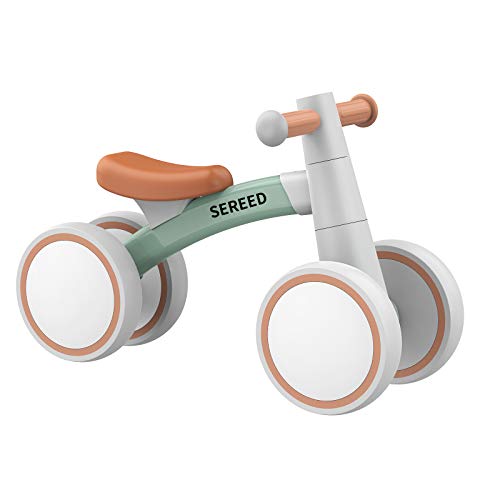
This SEREED balance bike emphasizes balance development without pedals, featuring a wide, sturdy aluminum alloy frame and a 12.6 inch starting seat height. The fully widened closed wheel design reduces risk of foot clamping and provides stability with a 135° turning radius and gravity steering that keeps the bike grounded during initial maneuvers. The design uses non-slip TPU handles and a softly cushioned seat, suitable for early walkers up to toddlers up to about 24 months. It’s built for both indoor and outdoor use, offering a secure way to practice balance and coordination on different surfaces.
Wheels are designed to be wear-resistant and gentle on floors, minimizing scuffs on hardwood or tile. The lack of pedals allows children to focus on leg strength, core balance, and basic negotiating skills before advancing to pedal bikes. The lightweight frame and simple construction support easy transport by caregivers, whether at home, the park, or a friend’s backyard.
JoyRydz Electric Balance Bike With Bubble Machine

The JoyRydz balance bike blends a non-pedal balance experience with electric propulsion options. Suitable for ages roughly from 12 to 48 months, it offers two modes: non-electric propulsion and an electric mode, enabling parents to tailor riding experiences to the child’s comfort and energy levels. The design includes bubble devices, light effects, music, and whistles to engage children during play. Remote control keeps caregivers in command, while the plastic construction makes the toy lightweight and easy to store. The wheels are non-slip and gentle on floors, suitable for indoor and outdoor rides.
Safety and development intersect here through leg strengthening and coordination as kids explore propulsion options. The electric mode introduces an exciting element while maintaining balance-focused play. Parents should consider supervision needs and battery maintenance, but the dual-mode setup offers extended usability as children grow more confident behind the handlebars.
Buying Guide
Key purchase considerations
Age and development stage guide the choice. Younger toddlers often benefit from balance-focused devices without pedals, while older preschoolers may need a 2-in-1 or trike that transitions to a stand-up scooter or pedal-ready bike. Look for adjustable seats and handlebars to extend usability as kids grow. A stable wide base, non-slip handles, and a comfortable seat height help prevent fatigue and maintain interest during practice sessions.
2-in-1 versatility versus single-purpose bikes
2-in-1 models reduce the need for multiple purchases, supporting growth from early balance play to independent riding. They can save space in small homes and encourage longer use. However, some children may prefer simpler designs initially. For families prioritizing long-term use, a model with easily detachable pedals, stowable training wheels, or a switch from seated to standing modes provides flexibility across years of riding.
Safety and build quality
Solid frames, secure fastenings, and reliable braking or steering systems are essential for safety. Look for rounded edges, non-slip grips, and footrests with adequate padding. Weight capacity matters—many toddler models support around 55 to 110 pounds. Check that wheels are durable and suited to both indoor and outdoor surfaces. A low seat height improves balance initiation and reduces tipping risk during early sessions.
Adjustability and maintenance
Choose options with tool-free height adjustments where possible to simplify rapid changes as your child grows. Removable or detachable pedals, adjustable handlebars, and foldable components can ease storage and transportation. Regular cleaning and lubrication of moving parts help extend the life of the bike or scooter. Consider models with accessible spare parts or readily available replacement components for long-term maintenance.
Portability and storage
Size and weight influence how easily you’ll move the unit between rooms or take it on trips. Lightweight frames and compact foldable designs are beneficial for apartment living. Some 2-in-1 models offer quick conversions, reducing the need for extra space. If you have stairs or limited storage, consider a unit that can be disassembled or tucked away without requiring tools.
Price versus value
Budget often correlates with features such as adjustable components, built-in lights, or electric modes. While entry-level models provide essential balance practice, higher-priced options may deliver longer-term versatility and better durability. Weigh the expected lifespan against the initial cost, especially if you anticipate multiple children using the same bike or scooter.
Comparison at a glance
| Model | Best For | Standout Feature |
|---|---|---|
| Scoot & Ride Highwaykick 1 | 1- to 3-year-olds | Seated-to-scooter versatility |
| KRIDDO 2-in-1 Tricycle And Balance Bike | Progressive riders | Pedal storage with detachable pedals |
| KRIDDO 2-in-1 Balance Bike And Tricycle | Older toddlers to preschoolers | Front light option |
| SEREED 4-Wheel Balance Bike | Young beginners | No pedals; wide stable wheels |
| JoyRydz Electric Balance Bike | Active play with tech | Electric mode with bubbles and remote |
In short, the best choice depends on your child’s current abilities and your family’s goals for growth. If you want one device that covers multiple stages, a true 2-in-1 model with detachable pedals or a suspension-ready stand-alone scooter option can provide extended play value. For families prioritizing balance development first, a no-pedal balance bike may be the simplest and most focused starting point. Consider space, usage environment, and the level of caregiver involvement you want to maintain as your child learns to ride.