Choosing the right balance bike for girls means balancing safety, comfort, and growth. The following five bikes offer a range of wheel sizes, adjustable components, and vibrant styles that appeal to young riders while supporting early balance and motor skills. From trusted, traditional designs to no-pedal options with pink accents, these picks emphasize lightweight frames, durable construction, and easy adjustments so a bike can grow with your child. This guide prioritizes ease of use, safety features, and practicality for families seeking a long-lasting option on two wheels.
| Product | Brand | Wheel Size | Recommended Age/Height | Notable Feature |
|---|---|---|---|---|
| Schwinn Elm And Koen Balance Bike | Schwinn | 12-20 inch | 30″ – 54″ tall | Adjustable seat; single-speed; grows with child |
| KRIDDO Toddler Balance Bike Pink | KRIDDO | Balance design (no-pedal) | 24 months – 5 years | Includes stuffed animal buddy; wide footrest |
| Bobike Toddler Balance Bike Pink | Bobike | Balance design (no-pedal) | 2-5 years | Adjustable seat and handlebar; durable frame |
| Viribus 14-Inch Balance Bike Pink | Viribus | 14 inch | 3-7 years | Adjustable seat and handlebars; basket included |
| Bicystar 16 Inch Balance Bike | Bicystar | 16 inch | 5-9 years | Lightweight; quick-height release; adjustable |
Schwinn Elm And Koen Balance Bike
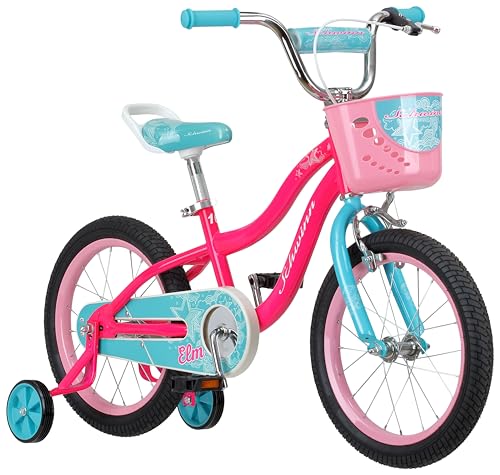
The Schwinn Elm and Koen balance bike blends classic balance training with options that support a gradual transition to pedal riding. With 12-20 inch wheels, the bike accommodates kids from roughly 30 inches to 54 inches tall, offering a wide growth window. It can function as a training-wheel setup or as a true balance bike, which makes it a flexible choice for families who want a single bike that adapts as skills improve. The setup emphasizes stability and simplicity, helping kids focus on balance rather than complex gear adjustments.
A straightforward, single-speed drivetrain keeps riding uncomplicated for beginners, while Schwinn’s SmartStart ergonomic design minimizes awkward wrist angles and promotes a natural riding posture. This helps young riders maintain balance without fatigue and simplifies steering control as confidence grows. The design also supports a smoother progression to pedaling, with predictable handling that reduces surprises during early rides. Seat adjustments are tool-free, enabling quick changes as a child grows, which is especially helpful for households with siblings sharing a single bike.
Durability and trust are part of Schwinn’s appeal, and this model is built to withstand consistent use. Its adjustable seat and lightweight frame are designed for frequent seat height changes, making it easier for caregivers to accommodate growth spurts. For families seeking a versatile bike that will keep pace with a child’s development, this Schwinn option offers a balanced blend of learning-friendly geometry and reliable construction.
KRIDDO Toddler Balance Bike Pink

KRIDDO’s toddler balance bike is crafted for early learners, typically ages 2 to 5. The design emphasizes pushing, standing, and gliding as foundational skills for balance and coordination. With a sturdy frame suited for small explorers, this no-pedal bike helps children practice weight shifting and foot placement before pedaling, reducing the fear factor that often accompanies the first riding attempts. Its compact footprint makes it suitable for indoor play spaces and outdoor explorations alike.
Among its features is a playful pink aesthetic that appeals to many young riders, along with practical learning aids such as a quick-access footrest to help kids lift their feet and balance more easily. The bike’s well-balanced construction provides a stable riding feel while children push along, which supports confidence-building and motor-skill development without the complexity of gears or brakes.
The KRIDDO balance bike also emphasizes safety in its design, encouraging steady balancing through a low center of gravity and a frame that remains stable as new riders practice. A kid-friendly push experience fosters independence and curiosity, making this model a solid choice for families focusing on growth through play and gradual skill acquisition.
Bobike Toddler Balance Bike Pink

Bobike’s toddler balance bike is designed for children roughly ages 2 to 5, focusing on teaching balance, walking, and the early steps toward riding. The bike uses a strong carbon steel frame and an adjustable seat and handlebar to grow with your child. The absence of pedals allows for a straightforward learning curve, while the two-wheeled design keeps the ride simple and intuitive for tiny riders who are just discovering balance and steering skills.
The assembly process is quick, typically requiring only a few minutes with common tools. The no-pedal approach reduces risk by keeping feet closer to the ground during initial rides, and the sturdy construction provides long-lasting durability for active toddlers. The pink color option also makes it a visually appealing choice for caregivers seeking a cute, age-appropriate design without compromising safety.
As a growth-focused option, Bobike offers an adjustable seat and handlebar that can accommodate a child as they gain height and confidence. Its compact size, durable materials, and simple ride dynamics make it a reliable first balance-bike choice for many families seeking a friendly introduction to two-wheeled mobility.
Viribus 14-Inch Balance Bike Pink

Viribus presents a 14-inch balance bike designed for kids roughly age 3 to 7, with a focus on balance development and coordinated movement. The bike’s frame is made from carbon steel, delivering strength while keeping the overall weight manageable at about 16.3 pounds. The design supports riders up to 66 pounds, which helps the bike remain useful as a child grows taller and more confident on two wheels.
Adjustability is a key feature of this model; the seat height adjusts between 15.3 and 17.7 inches, and the handlebars follow suit to offer a comfortable fit year after year. A practical basket adds a playful touch and a place to carry small treasures on rides. This combination of sturdy construction, growth-friendly adjustments, and kid-friendly styling makes it a compelling option for young girls who want a pink, approachable ride.
The Viribus bike emphasizes safety through a stable geometry and smooth steering. The design aims to minimize wobbles during early glides, helping children cultivate confidence as they master balance and steering control before transitioning to a pedal bike.
Bicystar 16 Inch Balance Bike

The Bicystar 16 Inch Balance Bike is aimed at kids aged roughly 5 to 9 years, with a compact yet capable 16-inch wheel setup. Height adjustability is a standout feature, with seat height ranging from 17 to 24 inches and handlebar height from 25 to 28 inches, making it suitable as a long-term ride for a growing child. At about 10.8 pounds, it’s light enough for young riders to manage on their own, which supports independence and confidence on two wheels.
The bike’s quick-height release simplifies adjustments as your child grows, while its balanced, pedal-free design keeps the focus on balance, steering, and coordination. The frame’s strength and the low stand-over height help new riders plant their feet confidently, reducing the risk of slips and encouraging longer practice sessions. This model blends growth potential with a straightforward learning curve and a clean, kid-friendly aesthetic.
Overall, Bicystar’s balance bike provides a practical route to independent riding as kids transition from balancing to pedaling. For parents seeking a mid-range wheel size with adjustable height and a lightweight frame, this bike offers a solid balance of durability and growth flexibility.
Buying Guide
Key purchase considerations
Size and fit are the top priorities. Choose a balance bike that allows your child to touch the ground with flat feet while sitting on the saddle, so they can push off easily and stabilize themselves. Look for adjustable seat heights and, if possible, adjustable handlebar height to accommodate growth. Weight matters too; lighter frames are easier for kids to maneuver, while sturdier builds offer longer durability as riding sessions extend.
Balance vs. no-pedal design
Balance bikes without pedals help kids learn steering, balance, and coordinated leg movement before pedaling. A few bikes in this guide can function as true balance bikes, while others provide a transitional experience with optional training wheels. Consider your child’s current skill level and temperament when choosing between a straightforward no-pedal design and a hybrid that can evolve into a standard bicycle.
Adjustability and growth potential
Growth-friendly features—tool-free seat height adjustments, adjustable handlebars, and lightweight frames—extend the usable life of a bike. The ability to transition from a mini cruiser to a bigger ride is valuable for families planning to reuse the bike for siblings or multiple children. Always check the maximum height range and weight limit to ensure the bike remains appropriate as your child grows.
Safety features and ease of use
Look for designs with a stable geometry, rounded edges, and protective components that reduce pinch points. A low stand-over height, footrests, and enclosed wheel designs minimize the risk of injury during early rides. Simple, intuitive controls and a predictable steering experience help children build confidence faster and enjoy longer practice sessions without frustration.
Style preferences and color options
While color and style should not be the sole decision factor, many young riders are drawn to bright colors and appealing aesthetics. Pink variants and girl-friendly designs are common in balance-bike options, but it’s essential to balance style with fit, weight, and durability. A bike that resonates with a child’s interests is more likely to encourage regular riding and experimentation with new skills.
Maintenance and value
Durability and ease of maintenance influence long-term value. Consider bikes with simple assembly, fewer exposed parts, and durable frames that can withstand frequent use. If you’re deciding between models, factor in potential resale value or the ability to share the bike among siblings, which can maximize your investment over several years of growth.