3D-printed bike saddles are redefining rider comfort by enabling precise zone-specific cushioning, reduced weight, and enhanced ventilation. This guide highlights five top-rated 3D-printed saddles available on Amazon, selected for a balance of comfort, durability, and value across road, mountain, and gravel bikes. Each option uses innovative 3D-printed structures paired with carbon fiber or nylon components to support different riding styles and widths. Whether you value airy ventilation, short-nose stability, or ultra-lightweight builds, these picks cover varied preferences and budgets for American cyclists.
| Product | Brand | Key Feature |
|---|---|---|
| Samassi 3D Printed Bike Saddle | Samassi | Adaptive 3D printing with zone comfort |
| Fizik Vento Argo R3 Adaptive Short-Nose | Fizik | Carbon Digital Light Synthesis cushioning |
| Samassi 3D Printed Bike Saddle (Variant 2) | Samassi | Lightweight carbon fiber rails; breathable design |
| Exceedhub 3D Printed Carbon Fiber Saddle | Exceedhub | Full carbon fiber structure with precise sizing |
| EVOSID 3D Printed Bike Saddle 150mm | EVOSID | Honeycomb 3D print with carbon rails |
Samassi 3D Printed Bike Saddle
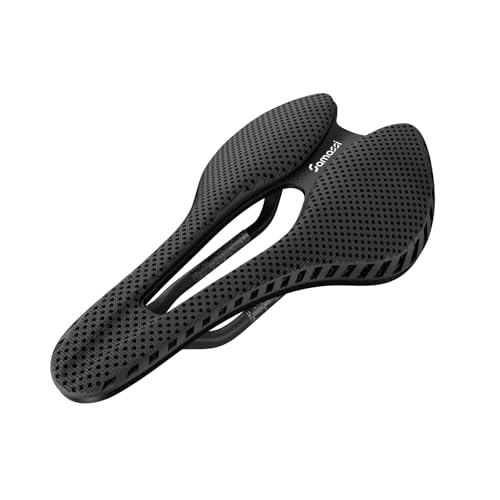
The Samassi saddle uses advanced 3D printing to tailor hardness and elasticity across different zones, delivering noticeable shock absorption for long rides. A nylon base paired with carbon fiber rails reduces weight while maintaining structural integrity for stable handling at speed. The hollow, leaf-like design promotes airflow, helping keep the saddle dry and comfortable during extended sessions.
Riders benefit from zone-specific support that adapts to pedal forces and seating position. The carbon fiber rails contribute to a lighter overall profile compared with traditional alloy rails, while the breathable hollow construction minimizes heat buildup. This combination suits riders who value a responsive yet comfortable ride on both road and mountain bikes.
Fizik Vento Argo R3 Adaptive Short-Nose
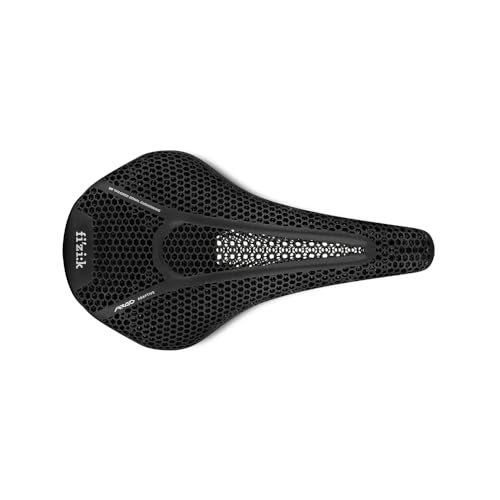
The Vento Argo R3 uses Carbon Digital Light Synthesis 3D printing to deliver seamlessly engineered zonal cushioning, helping distribute load more evenly across the saddle. Its Argo short-nose shape promotes stability and reduces pressure on soft tissue, which is especially beneficial for riders who sit aggressively or ride in sprint positions. The shell is a ride-ready combination of carbon-reinforced nylon with a Kium hollow rail, offering impressive strength-to-weight characteristics for durability and performance.
In practice, this design prioritizes stability and comfort on longer tempos, while maintaining a responsive feel during changes in cadence. The short nose helps prevent chafing on long climbs or fast descents, and the beamed beaded shell provides consistent support across varied terrains. Riders seeking a high-end, performance-oriented saddle with precise cushioning will find this a compelling option.
Samassi 3D Printed Bike Saddle
This second Samassi variant emphasizes the same core attributes: 3D-printed zones for tailored comfort, a lightweight carbon fiber rail, and a breathable hollow structure for better air circulation. The combination is designed to support endurance riding and daily commutes with predictable feedback and reduced fatigue. The saddle aims to balance stiffness for efficient power transfer with enough give to prevent hotspots on longer rides.
With its carbon-based construction, the saddle remains robust under varied riding stresses, while the breathable design helps manage moisture. The features are especially relevant for riders who spend hours in the saddle and require reliable ventilation and consistent support across terrains.
Exceedhub 3D Printed Carbon Fiber Saddle
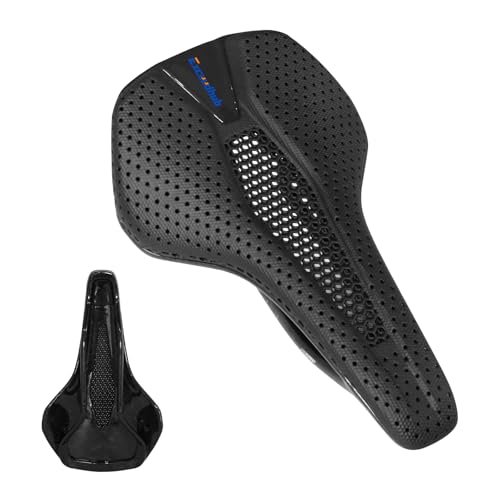
Exceedhub offers a 3D-printed saddle with a full carbon fiber structure designed to reduce overall weight without compromising stiffness. The seat cushion measures 245×140mm with a 7×9mm rail, emphasizing a compact profile suitable for a wide range of frames and clamp standards. The design emphasizes precise weight distribution and durability, making it a viable option for road, mountain, and gravel bikes where a lean, sturdy saddle is preferred.
Before purchasing, confirm your seat clamp compatibility with the 7×9mm rails and ensure the overall width matches your saddle area. The carbon fiber construction supports aggressive riding and mixed-terrain use, while the beehive-like structure contributes to even load transfer and comfortable long-distance riding.
EVOSID 3D Printed Bike Saddle 150mm
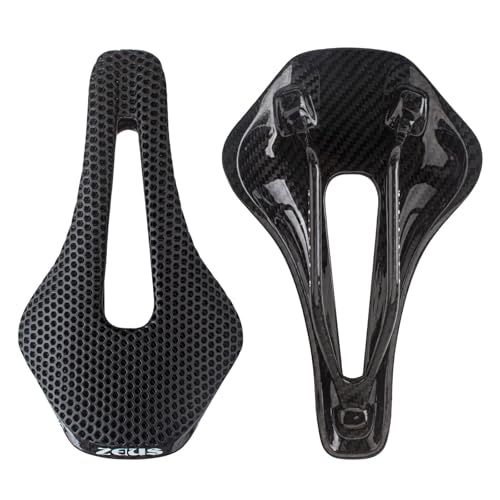
EVOSID’s saddle features a universal fit and easy installation, with a full carbon 7x9mm rail and a 255×150mm seat size. Weighing roughly 165g, it uses carbon fiber plus a 3D-printed honeycomb structure to deliver a light, quiet, and highly supportive ride. The beehive-like design aims for balanced weight distribution, improved cushioning, and preserved stability across riding conditions, making it suitable for city, mountain, road, and gravel use.
Riders should measure their rail compatibility and seat post dimensions before purchasing. The combination of carbon fiber and honeycomb structure typically yields good stiffness-to-weight performance, which can translate to efficient power transfer while maintaining adequate comfort for mixed-terrain adventures.
Buying Guide
Size And Compatibility
3D-printed saddles often come with specific rail sizes and shell widths. Common rail sizes include 7×9mm, and many saddles are designed to fit standard seat posts. Before buying, measure your current saddle width and compare it with the rail and clamp specs listed by the manufacturer. Short-nose designs may suit riders who need quicker weight transfer during sprints, while longer saddles can improve support on extended rides.
Materials And Weight
Expect combinations of carbon fiber, nylon, and carbon-reinforced shells. Carbon components typically reduce weight and improve stiffness, aiding power transfer, but can be pricier. Nylon-based shells with carbon rails strike a balance of durability and lightness. When evaluating a saddle, consider the overall weight, stiffness, and how the materials feel against your body during different riding positions.
Comfort Features
Look for zonal or lattice cushioning that targets pressure points. 3D-printed honeycomb or beehive structures often provide airflow and moisture management, which helps during hot days or long endurance sessions. Short-nose designs can improve knee clearance and stability for aggressive riding, while longer shapes may offer broader support for casual cruising.
Durability And Maintenance
Carbon rails and reinforced shells tend to last longer under heavy use, but 3D-printed elements require proper care to avoid cracks or damage from sharp impacts. Regular cleaning with mild soap and water helps prevent buildup, and avoid exposure to harsh solvents. Check mounting clamps and rail ends for wear and tighten as needed according to manufacturer guidance.
Value And Warranty
3D-printed saddles are often premium-priced due to advanced manufacturing. Assess whether the comfort gains and weight savings justify the cost for your riding style. Review warranty terms and replacement policies to ensure you can receive support if the saddle develops material or structural issues within the covered period.