Riding often demands cameras that can adapt to changing light, fast motion, and rugged conditions. A 360 camera designed for bikes captures immersive, all-around footage with dependable stabilization and straightforward mounting to handlebars or helmets. Below are five top picks that balance image quality, battery life, weather resistance, and ease of use. Each option supports 360-degree capture in a way that fits different riding styles, from aggressive mountain trails to city commutes. Use this guide to compare how these cameras perform on the road, trail, or track, and choose the one that best matches your riding goals.
| Product | Brand | Highlights |
|---|---|---|
| Insta360 X4 8K Bundle | Insta360 | 8K/5.7K60fps capture, AI reframing, invisible selfie stick |
| DJI Osmo 360 Camera | DJI | 1-Inch imaging, built-in storage, 8K video |
| Insta360 X3 5.7K 360 Camera | Insta360 | 5.7K 360, Active HDR, AI editing, touchscreen |
| Insta360 X5 Motorcycle Bundle | Insta360 | 8K30fps, dual sensors, triple AI chips, invisible selfie stick |
| Fitense Bike Camera 360 | Fitense | 10000mAh, IP67, 130°–100° adjustable view |
Insta360 X4 8K Bundle

The Insta360 X4 Motorcycle Bundle pushes 360 capture into the 8K realm, delivering 360° footage in 8K or 5.7K60fps. This level of detail is particularly valuable for biking where action unfolds rapidly and lighting can shift dramatically. Active HDR helps preserve color fidelity across bright sun and deep shadows, so your footage remains natural rather than washed out. The compact form and waterproof design support helmet or handlebar mounting, enabling versatile shooting setups for different riding environments.
Post-production on the X4 is designed for speed. The camera supports easy reframing after capture through the AI-powered Insta360 app, letting you shoot first and choose angles later. The invisible selfie stick effect provides a natural third-person perspective without the stick appearing in frame, which enhances immersion on on-bike footage. With about a 135-minute battery life, the system is well suited to day trips or longer sessions, and a straightforward mounting setup reduces setup time between rides.
DJI Osmo 360 Camera

The DJI Osmo 360 Camera delivers advanced 360 imaging with a native 1-inch sensor, which helps deliver strong detail and color, particularly in challenging light. This larger sensor design supports better performance in low-light riding, such as dawn patrols or dusk sessions, making it a strong choice for riders who frequently encounter variable lighting. The camera emphasizes high-quality panoramas and practical field usage, helping cyclists capture smooth, cinematic sequences as they ride through changing environments.
Storage and endurance are integral to on-bike filming. The Osmo 360 offers built-in storage of 105GB and can record 8K video for up to 100 minutes, with a broad viewing angle of about 170°. These specs make it a capable option for riders who want high-resolution footage without frequent recharging during long sessions. Its rugged profile supports outdoor use, making it a dependable choice for sports and extreme riding where durability matters as much as image quality.
Insta360 X3 5.7K 360 Camera

The Insta360 X3 blends 5.7K 360 capture with the convenience of a traditional action camera, offering flexible creative potential on the move. Its Active HDR preserves color accuracy across dynamic scenes, which is particularly helpful on rides with rapid shifts in light. The camera also emphasizes post-capture flexibility, allowing reframing and editing after the fact through its AI-assisted workflow, which helps riders quickly assemble share-ready footage from a single ride.
A user-friendly 2.29-inch touchscreen simplifies framing and control, making it practical for on-the-go adjustments. The X3 is designed to be compact for biking setups, enabling stable footage and straightforward post-processing without heavy gear. Its emphasis on AI-assisted editing helps speed up production, so riders can review, share, and revisit their routes with minimal hassle after each ride.
Insta360 X5 Motorcycle Bundle
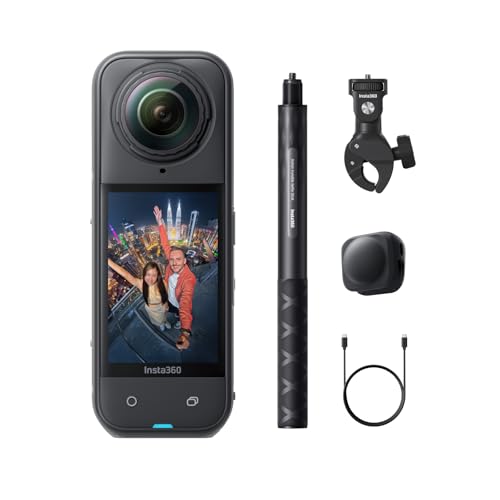
The Insta360 X5 Motorcycle Bundle is built for high-end, immersive 360 capture with 8K30fps video and dual 1/1.28″ sensors. The dual-sensor setup improves detail, dynamic range, and low-light performance, enabling riders to capture expansive landscapes and fast action with sharper results. Its triple AI chip design supports advanced noise reduction and image processing, delivering clearer footage in challenging lighting. An invisible selfie stick option lets riders achieve dramatic third-person perspectives without visible hardware, keeping the scene immersive and clean.
Riders who want long sessions without constant charging will appreciate the on-request endurance and the camera’s rugged design. The X5 bundle also emphasizes practical mounting versatility for bike setups, enabling reliable footage from several angles. This combination of high resolution, stabilization, and creative options makes it a strong choice for riders seeking cinematic 360 footage from their adventures.
Fitense Bike Camera 360
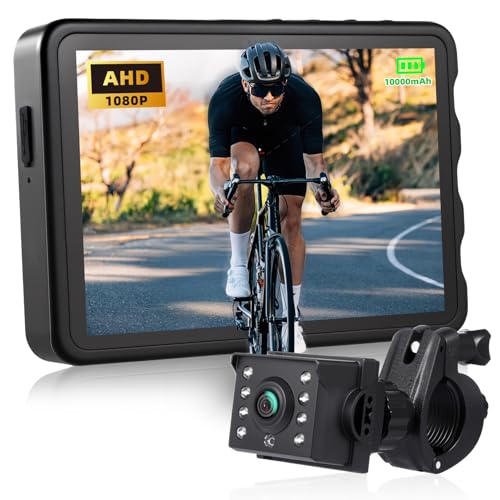
The Fitense bike camera centers on endurance and practical mounting. It features a large 10,000mAh rechargeable battery, enabling 10–12 hours of use after a 5–6 hour charge, which is advantageous for long rides or multi-day trips. Its IP67 waterproof rating adds peace of mind in variable weather conditions, making it suitable for riders who encounter rain or splashes on mixed terrains.
Fitense emphasizes flexible attachment and handlebar compatibility, noting an ability to fit 20–30mm handlebars. The system supports a 360° stand and includes a 3-meter cable and 12 straps for versatile positioning. With a 130° adjustable field of view down to 100°, riders can tailor perspective to their route and avoid distortion on tight turns, providing a robust all-around biking solution at a practical price point.
Buying Guide
When selecting a bike 360 camera, consider the following to find the best fit for your riding style and environment:
- Video resolution and frame rate: Higher resolutions like 8K/5.7K offer richer detail, while 4K or 5.7K can provide smoother playback. Frame rate matters for speed and action shots; choose based on how you ride and edit.
- Stabilization and processing: Look for systems with advanced stabilization (such as FlowState or AI-based stabilization) to keep footage smooth during bumpy rides or fast descents.
- Battery life and charging: Longer battery life reduces mid-ride interruptions. Check whether the camera has a built-in battery with a practical runtime or allows external power options.
- Weather sealing and durability: An IP rating (IP67 or higher) means better protection from rain, dust, and mud—critical for mountain biking and all-season use.
- Mounting flexibility: Ensure the camera can mount on handlebars within the range of 20–30 mm, and consider compatibility with helmets, stems, or dedicated mounts for your bike.
- Display and app features: A built-in touchscreen can simplify framing on the move, while AI editing and post-processing help you quickly assemble compelling footage.
- Storage and file management: Consider devices with robust onboard storage or easy ways to transfer footage to your phone or computer, especially if you shoot lengthy rides.
- Audio capture: Some models prioritize video quality, while others offer better audio. If wind noise is a concern, choose a camera with wind protection or a microphone accessory.
- Weight and size: Heavier cameras can affect handling, so balance your need for top-end image quality with the practicalities of mounting on a bike.
- Cost and value: Higher-end models offer better image quality and features, but assess whether the extra capability aligns with your riding goals and editing workflow.
For riders deciding between these options, the strongest all-around performers tend to balance resolution, stabilization, and battery life with flexible mounting and reliable software. If you want ultra-high-resolution footage and sophisticated post-processing, Insta360 X4 or X5 packages shine. For reliable low-light performance and a robust feature set, the DJI Osmo 360 is a compelling alternative. If you favor 5.7K with AI-based reframing and a compact form, the X3 offers a strong mix of convenience and quality. For longer sessions and tougher weather, Fitense delivers endurance and ruggedness that suit daily riding.