Choosing the right 26-inch dirt jump gear means balancing strength, weight, and compatibility with your bike. This guide highlights five highly relevant products—ranging from sturdy wheelsets and forks to rugged tires and a durable frame—so riders can assemble a capable 26-inch dirt jump setup. Each item is described with core features, practical uses, and key considerations to help you compare performance and value.
| Product | Brand | Focus | Notable Benefit |
|---|---|---|---|
| Alaudark 26-Inch Wheelset | ALAUDARK | Wheelset for Dirt Jump | 6-bolt discs, robust 6061 T6 rim, tubeless-ready |
| Manitou Circus Expert Fork | Manitou | 26-Inch Dirt Jump Fork | 100mm travel, Straight Steerer, 20mm Hexlock |
| Michelin Pilot Slope Tire 26×2.25 | MICHELIN | Tire for Dirt Jump | Tubeless-ready, optimized rubber for grip |
| Maxxis Holy Roller Tire 26 | Maxxis | Dirt Jump Tire | Inverted tread design, versatile dirt-to-pavement use |
| QHIYRZE Dirt Jump Frame 26er | QHIYRZE | Frame | 12×148 Boost, internal routing, tapered head tube |
Alaudark 26-Inch Wheelset for Dirt Jump Bikes

The Alaudark wheelset is built for performance in dirt jumps and park runs. The hub assembly includes two sealed stainless steel bearings in the front and four in the rear, with six-bolt disc brake compatibility and a 6-pawl, 57-tooth engagement driver body. The wheelset uses a 32-hole rim with an ERD of 533.3mm and offers front footprints of 100mm or 110mm and rear options of 135mm, 142mm, or 148mm. Rim dimensions include an inner width of 30mm and outer width of 35mm, with a depth of 21mm. A 6.5mm Presta valve and J-bend spokes are standard, with a weight range of 810–975g per wheel.
Constructed with sleeved 6061 T6 aluminum rims and stainless steel spokes, the wheelset promises stiffness and stability under aggressive landings. The shell uses 6061 aluminum with a 7075 T6 forged axle to resist deformation and corrosion, helping riders maintain true spokes and braking reliability on varied surfaces. It supports tube and tubeless tires and includes a redesigned seal ring to reduce the risk of components loosening during rough rides. A notable, rider-oriented feature is an upgraded pawl system designed for reliable engagement even during high-frequency use.
Manitou Circus Expert Dirt Jump Fork for 26″ Bikes

The Manitou Circus Expert Dirt Jump Fork is designed to handle park and dirt jump demands on 26-inch bikes. It emphasizes a robust chassis suitable for aggressive riding, with 100mm travel that helps absorb landings from intermediate to advanced lines. The fork features a Straight Steerer configuration and a 20mm Hexlock axle system, aiming to improve stiffness and steering precision. Riders can expect reliable performance across rock gardens and jump lines, aided by solid crown and stanchion construction intended to resist impact damage in freeride environments.
In practice, this fork provides a straightforward upgrade path for riders seeking a more controlled front end. Compatibility with 26-inch wheels makes it a popular choice for upgrading budget builds or converting hardtails into dirt jumpers. While the product listing is concise, the emphasis on 100mm travel and Hexlock compatibility suggests a focus on durability, quick serviceability, and predictable handling during technical sections and high-air tricks.
Michelin Pilot Slope Dirt Jump Tire 26×2.25
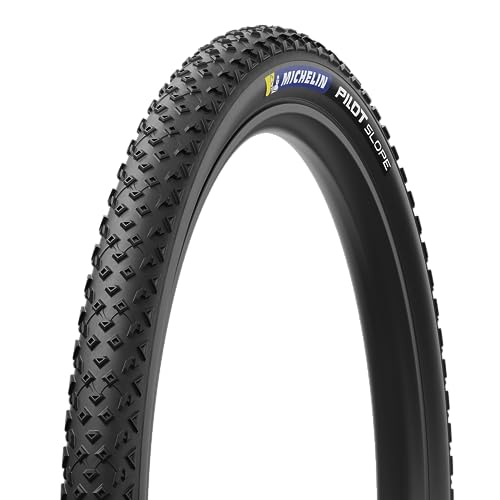
Michelin’s Pilot Slope is tuned for BMX street and dirt jump riders who want a dependable all-around tire. The tire uses an optimized rubber compound and a tubeless folding design to enhance rolling efficiency while trimming weight. Its rugged tread pattern delivers solid grip on rocky and uneven surfaces, making it a strong choice for aggressive jumping and smooth freestyling. The 26 x 2.25 size offers a versatile fit for a wide range of BMX and mountain bikes, combining assertive traction with predictable handling for both street sections and off-road runs.
Riders should note tubeless compatibility is a key advantage for minimizing punctures and running lower air pressures for better grip. Michelin emphasizes durability and grip, which makes this tire suitable for park days, slopestyle sessions, and pump-track practice. The Pilot Slope’s design aims to balance durability with performance, helping riders push lines with confidence while maintaining ride quality across varied terrain.
Maxxis Holy Roller Dirt Jump Tire 26

The Maxxis Holy Roller is a staple for dirt jump and pump-track riders seeking versatility on multiple surfaces. Featuring an inverted tread design, this tire is optimized for lively transitions and stable landings in dirt jumps, skateparks, and mixed-terrain sessions. The tire uses a single rubber compound to simplify manufacturing and ensure predictable wear. Maxxis backs the design with a one-year manufacturer’s warranty, providing assurance for riders who log frequent jumps and heavy cornering on varied surfaces.
The Holy Roller line often emphasizes a balance between grip and speed, making it a practical choice for park days and street features. This 26-inch version is suitable for riders upgrading from stock tires to a more aggressive tread pattern without sacrificing speed on smoother sections. For riders who value a tire that can handle a range of dirt-to-pavement scenarios, the Holy Roller offers a reliable option with straightforward service and replacement parts.
QHIYRZE 26er Dirt Jump Frame
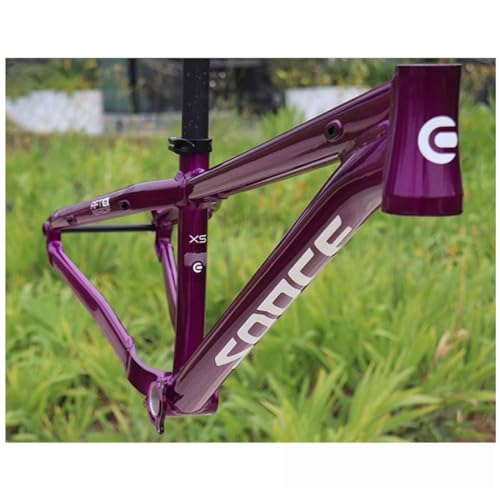
The QHIYRZE 26er dirt jump frame is designed for enthusiasts building a dedicated dirt jump bike around a 26-inch wheel size. The frame features a 12×148 Boost through-axle configuration, which is common in modern dirt jump and trail bikes for improved stiffness and wheel alignment under jumps. The frame height is listed at 310mm, and it supports disc brakes with internal routing for clean cable management. A tapered head tube range of 44–56mm accommodates both straight and tapered forks, while an accommodating seat post diameter of 30.9mm and seat clamp of 34.9mm enhance fit flexibility for riders with different saddle setups.
Key compatibility notes include mounting for 2.6-inch tires on the rear and a boost-ready spacing system to pair with modern hub standards. Internal routing helps reduce cable clutter, and the 12×148 through-axle design supports higher stiffness and precise handling on big airs and rough landings. This frame is positioned for riders who want a dedicated platform to customize with their preferred wheels, brakes, and components to optimize a 26-inch dirt jump experience.
Buying Guide for 26-Inch Dirt Jump Bikes
When selecting components for a 26-inch dirt jump bike, consider how each part influences handling, durability, and ride quality. A balanced setup pairs a strong frame with a dependable fork, a capable wheelset, and grippy tires. Below are practical considerations to help you compare options and build a cohesive DJ rig.
Key Purchase Considerations
- Wheel and hub compatibility: 26-inch wheels commonly use 100mm front and 135/142/148mm rear spacing. Look for 32-hole rims, a robust ERD, and durable hubs with reliable engagement for quick acrobatics and consistent braking.
- Frame and through-axle standards: Many dirt jump frames use Boost 12×148 with a tapered head tube. Ensure fork compatibility (straight or tapered) and tire clearance for rear stays and chainstays.
- Fork travel and axle type: A 100mm fork with a 20mm hexlock axle enhances stiffness and steering precision. Check compatibility with your front wheel and tire clearance.
- Tire selection and tubeless readiness: Tubeless-ready tires reduce pinch flats and allow lower pressures for grip. Choose widths that fit your frame and rim width without rubbing.
- Durability and warranty: Dirt jump riding subjects components to heavy impacts. Look for reinforced rims, robust bearings, and warranties that cover common wear.
- Weight vs. strength: Lighter wheels and frames improve maneuverability, while heavier, tougher parts offer longevity on rough terrain. Balance for your skill level and typical riding environment.
- Maintenance accessibility: Components that are easy to service—like accessible hubs and straightforward brake mounting—save time during practice and events.
Component-by-Component Comparisons
- Wheelset vs. frame: Wheelsets influence spin-up, braking stability, and jump consistency, while frames determine overall stiffness and geometry. A stiff wheelset plus a rigid frame provides precise landings and stable airtime.
- Fork vs. tires: A compliant but supportive fork helps absorb landings, while aggressive tires maximize grip on varied surfaces. Matching tire width to fork clearance is essential to avoid rubbing.
- Brakes and disc compatibility: Six-bolt discs offer broad compatibility and easy rotor replacements. Ensure your hub and frame support your preferred rotor size and braking style.
- Tubeless vs. tubes: Tubeless setups reduce flats and enable lower pressures for traction, but require careful tire bead seating and rim tape. Weigh the maintenance trade-offs against the performance gains.
Sizing and Fit Considerations
- Frame geometry: Standover height, reach, and stack affect control during high jumps. A well-fitting frame helps maintain balance and control through complex maneuvers.
- Wheel size and compatibility: Confirm that your fork, frame, and brake calipers accommodate the 26-inch wheels you choose. Ensure tire clearance remains adequate at full compression.
- Saddle height and cockpit setup: The seat height and handlebar position should support aggressive lines without compromising pedal clearance or control on landing.
Durability and Maintenance
- Material choices: Aluminum rims and frames offer a blend of stiffness and lightness, while reinforced spokes and robust hubs support frequent jumping.
- bearings and seals: Sealed bearings reduce maintenance frequency but require periodic inspection and lubrication for peak performance.
- Warranty considerations: A solid warranty protects against common failures in park environments and helps justify upgrades to higher-end components.
Performance Scenarios
- Park and street lines: A balanced setup with a stiff frame, reliable fork, and grippy tires excels in high-velocity, high-air lines.
- Rough terrain and landings: A tunable tire choice and a fork with adequate travel improve stability over varied landing surfaces.
- Transition and pump-track days: Lightweight wheelsets and efficient hubs can improve acceleration and pacing through repetitive sections.
By weighing these considerations against your local riding style, skill level, and maintenance preferences, you can select a 26-inch dirt jump configuration that offers predictable handling, reliability, and performance across park, trail, and street lines. The five items highlighted above cover a spectrum of roles—from the wheelset and fork to tires and frame—allowing riders to craft a tailored setup that aligns with their goals and budgets.