Choosing the right rear rim or wheel for a 26-inch bike involves balancing strength, weight, compatibility, and durability. This guide highlights five solid options that cover steel and aluminum rims, as well as double-wall designs, focused on easy installation, compatibility with common brakes and freewheels, and long-term reliability for daily riding. The quick-reference table below helps you compare core specs at a glance, while detailed sections provide practical context for installation and maintenance.
| Product | Brand | Rim Material | Key Features |
|---|---|---|---|
| Wheel Master Rear Bicycle Wheel 26″ (Bolt On) | WheelMaster | Steel | Bolt-on, 36 spokes, 25mm inner width, compatible with 5/6/7/8-speed freewheels; not disc brake compatible |
| CyclingDeal MTB 26″ Wheelset | CyclingDeal | Alloy 6061-T6 | Double-wall rims, 18 mm internal width, caliper brakes, 36 holes, JOYTECH hubs |
| DONSP1986 26″ Rear Rim | DONSP1986 | Aluminum Alloy | 12-gauge, 48 spokes, double-wall, disc brake compatible |
| BBR Tuning 26″ Rear Rim | Flying Horse | Steel | 12-gauge, 1.25″ width, coaster brake ready, durable construction |
| Wheel Master 26″ Rear Wheel, 1.75/2.125 | WheelMaster | Steel | Bolt-on, 36H, 14g spokes; compatible with 5/6/7-speed freewheels |
Wheel Master 26-Inch Rear Wheel Review

The Wheel Master rear wheel is designed specifically for 26-inch tires and is built around a sturdy steel rim with a single-wall profile. It uses a bolt-on axle, not a quick-release, which can enhance security for riders who frequently ride on rougher roads or trails. This wheel supports thread-on freewheels across 5, 6, 7, or 8 speeds, making it a versatile choice for older or budget drivetrain setups. With 36 spokes and a durable 14-gauge ED black steel construction, the wheel aims to balance strength with modest weight. The 25mm inner rim width can provide a stable base for mid-width tires, though it’s not compatible with disc brakes.
Installation is straightforward for riders with standard bolt-on hubs and 135mm over locknut spacing. The included axle nuts facilitate a secure fit, and the wheel’s all-steel construction helps resist impacts from potholes and rough surfaces. If you rely on rim brakes, this wheel’s compatibility makes it a practical replacement option when upgrading a 26-inch bike that uses a bolt-on rear hub. Potential buyers should note that quick-release axles and disc brakes are not supported, so this wheel is best suited to older or budget setups that rely on threaded freewheels and rim braking.
CyclingDeal 26-Inch Wheelset Review
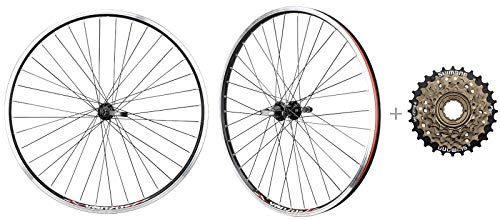
This CyclingDeal wheelset offers a modern aluminum rim with double-wall construction, engineered to reduce weight while maintaining strength for everyday riding. The internal width of about 18 mm supports a wide range of 26-inch clincher tires, and the double-wall design contributes to durability and better tire retention. The set is positioned for caliper braking systems and uses ED black steel spokes with brass nipples, which helps resist corrosion and provides stable spoke tension over time. Front and rear QR axles are typical for this style, with rear spacing suited to 135 mm standard frames. It’s a practical upgrade for riders seeking modern rims with reliable braking performance.
Compatibility highlights include the 6-speed drivetrain context implied by the included freewheel compatibility. While the wheelset is designed for 26-inch tires and standard clincher tires, verify your specific brake type (caliper vs. disc) and ensure your current fork and frame can accommodate the wheelset’s specifications. Assembly is relatively straightforward for home mechanics, and the JOYTECH hubs are known for smooth operation in many daily riding scenarios. If you ride varied terrain, the lightweight aluminum rims offer a good balance of efficiency and durability without excessive weight.
DONSP1986 26-Inch Rear Rim Review

The DONSP1986 rear rim is designed for heavy-duty use, featuring a 12-gauge aluminum alloy construction with a double-wall profile and 48 spokes. Its dimensions indicate compatibility with 26×2.35″ to 3.5″ tires, and the hub diameter is sized for a standard 135 mm spacing. The rim is suitable for disc-brake systems, which broadens its use across various mountain bikes and touring bikes. The aluminum alloy build reduces weight relative to a full steel wheel, while maintaining sturdiness against impacts and rough terrain. Mounting a rear tire and tube is straightforward, provided you choose compatible tire width and brake type.
In practice, this rim supports a robust riding experience, particularly for riders who prioritize durability and the ability to handle wider tires. The 570 mm stated rim diameter aligns with common 26-inch wheel standards, and the double-wall design helps resist denting under load. If you plan to upgrade your rear wheel for trail use or heavy daily commuting, this DONSP1986 option offers a resilient platform for both rim and disc brake configurations. As with any upgrade, confirm axle type and freewheel compatibility with your existing drivetrain before purchase.
BBR Tuning 26-Inch Rear Rim Review

The BBR Tuning rear rim emphasizes heavy-duty reliability with a 12-gauge steel construction, designed for 26-inch wheels and non-disc brake setups. The 1.25-inch width positions this rim for a stable ride with a balance between stability and maneuverability. The coaster brake design mentioned in the listing indicates straightforward braking mechanics, which is helpful for commuters or riders who prefer a simple, maintenance-light setup. The rim’s robust construction supports regular riding across mixed surfaces, particularly when paired with compatible tire widths and tubes. As with any steel rim, weight is higher than aluminum options, but the long-term durability can be advantageous for budget-conscious riders.
Installation is typically straightforward for rear rims with standard 26-inch sizing and a bottom-line approach to compatibility. Riders should verify hub spacing, brake type, and freewheel compatibility to ensure that a new rim can be integrated with their existing wheel or frame. This rim is well-suited for riders who want a durable, low-maintenance option that can withstand everyday commuting and weekend rides without frequent replacements.
Wheel Master 26-Inch Rear Wheel 1.75/2.125 Review

This Wheel Master rear wheel focuses on versatility with a 26-inch size and a bolt-on design. The 1.75/2.125 tire range indicates support for a broad spectrum of tire widths, from narrower commuter tires to some wider mountain bike profiles. The wheel uses 36 black spokes and a chrome finish on the wheel’s exterior, which can complement a range of bike aesthetics. It’s compatible with 5/6/7-speed freewheels and is designed for rear mounting with a bolt-on axle. The combination of robust spokes and a reliable hub setup makes it a strong option for riders who need a durable rear wheel that can handle varied road conditions.
As with other bolt-on wheels, installation is best performed with the correct tools and torque specification for the axle nuts. The absence of quick-release and the emphasis on a bolt-on connection can be advantageous for riders seeking a secure, slip-free mounting. This wheel is suitable for bikes that already use a bolt-on rear hub and for riders who prioritize a straightforward, rugged setup for daily riding or mixed-terrain trips.
DONSP1986 26-Inch x 1.85″ Heavy Duty Rear Rim Wheel Set

This DONSP1986 rear wheel rim set provides a heavy-duty, double-wall aluminum alloy construction with a 12-gauge spoke configuration and a wide 1.85-inch rim width. The 48 spokes contribute to a robust, stiff wheel that can handle higher loads and rough surfaces. The rim’s measurements indicate compatibility with 26×2.35″ to 3.5″ tires, and the hub spacing aligns with commonly used 135 mm rear hubs. The listing notes both disc brake and caliper compatible configurations, increasing versatility for riders who may upgrade or switch brake systems over time. These features position the wheel set as a durable option for demanding rides, including daily commuting and light trail use.
When upgrading to this rim set, check tire width compatibility with your frame clearance and ensure your disc brake caliper alignment remains correct after installation. The aluminum alloy construction helps reduce unsprung weight compared with steel rims while maintaining good rigidity under load. This option is especially attractive for riders seeking a long-lasting rear rim with broad brake compatibility and a robust wheelset for varied riding conditions.
Buying Guide
Rim Material and Construction
Rim material significantly affects weight, durability, and cost. Aluminum rims are lighter and resistant to corrosion, making them popular for performance-oriented bikes. Steel rims tend to be heavier but can offer exceptional durability and lower cost, which suits budget builds or commuters who ride rough surfaces. Double-wall rims provide added strength to resist denting and maintain true alignment, especially on 26-inch bikes used on variable terrain. Consider how you ride most often and whether you prioritize light weight or long-term ruggedness when choosing between steel, aluminum, or double-wall designs.
Brake Type Compatibility
Rim compatibility with brake type is critical. Caliper brakes work well with many alloy rims and double-wall designs, while disc brakes require wheels and rims that are explicitly compatible with disc rotors and hubs. If your bike currently uses a bolt-on rear hub or a quick-release system, verify that the wheel you select matches your axle type and spacing (commonly 135 mm for many 26-inch bikes). For riders using coaster brakes or traditional rim brakes, ensure the rim is appropriate for those systems and that the brake calipers align correctly for effective stopping power.
Spoke Count and Spoke Gauge
Spoke count and gauge influence wheel stiffness and weight. A common setup for 26-inch rear rims is 36 spokes with a 14-gauge wire for strength and resilience. Higher spoke counts can improve rigidity, particularly on heavier riders or rough roads, while thicker spokes add to weight. If you anticipate frequent impact from potholes or off-road use, a higher spoke count paired with a robust rim can reduce the risk of denting and spoke loosening over time.
Width and Tire Compatibility
Rim inner width affects tire profile and stability. Narrow rims (like 18 mm or similar) tend to suit narrow tires, while wider rims accommodate wider tires and can improve traction and ride comfort on rough roads. When selecting a rear rim, consider your typical tire width and whether you want to run standard clinchers or more balloon-like tires. Wider rims may require frame clearance checks to avoid rubbing, especially on older frames with tighter stays.
Installation Considerations
Bolt-on vs quick-release axles influence installation and security. Bolt-on axles tend to be more secure for off-road or stop-and-go riding, while quick-release systems offer easier maintenance and wheel removal. When upgrading, confirm that your hub spacing, axle type, and freewheel compatibility align with the new rim or wheel. Reading the manufacturer’s installation notes and using the correct torque for axle nuts or quick-release skewers helps prevent wheel misalignment and braking issues.
Use Case and Budget
Rims and wheels vary in cost based on materials, construction, and brand. For daily commuting, a durable double-wall aluminum rim or a robust steel rim with a secure bolt-on hub often delivers a favorable balance of price and longevity. For riders who tackle light trails or want improved efficiency, lighter alloy rims with optimized internal width can offer performance gains. Define your typical riding conditions and budget to guide your choice, recognizing that more durable rims often justify higher upfront costs through longer service life.