Choosing a helmet for an 18-month-old requires a snug fit, lightweight design, and safety features that grow with a child. The helmets below are sized for toddlers and early preschoolers, with XS or adjustable back-dial systems to accommodate heads around 18 to 22 inches. Each option supports multiple activities, from biking to scooting to skateboarding, and prioritizes airflow and easy cleaning. The list blends recognizable brands with kid-friendly designs to help parents find a reliable model that stays in place during play. Review the five picks, then use our buying guide to compare fit, safety, and comfort.
| Product | Brand | Size Range | Notes |
|---|---|---|---|
| GLAF 18-Month-Old Toddler Helmet | Glaf | XS 18.1″–20.0″; M 20.4″–22.0″ | Two adjustable sizes; PC shell + EPS foam; multi-sport use |
| Lemmeko Adjustable Toddler Helmet | Lemmeko | 18.9″–20.5″ (Size 1); 19.3″–21.7″ (Size 2) | Back adjustment knob; 11 vents; removable inner pads |
| Schwinn Purple Polkadots Helmet | Schwinn | 44–50 cm (about 17.3″–19.7″) | 360-degree dial fit; lightweight; integrated visor |
| Schwinn Teddy Bear Design Helmet | Schwinn | 44–50 cm (about 17.3″–19.7″) | 3D teddy bear design; dial fit; lightweight padding |
| XJD Toddler Helmet X-Small | XJD | 18.11″–20.08″ (46–51 cm) | 14 vents; injection-molded shell; bug mesh; soft padding |

GLAF 18-Month-Old Toddler Helmet
GLAF’s helmet is designed with toddlers in mind, offering two size options appropriate for ages around 18 months and up. The XS range spans 18.1″ to 20.0″, with a second size from 20.4″ to 22.0″ to accommodate growing heads. The outer shell is constructed from polycarbonate (PC), paired with EPS foam to help dissipate impact energy. The design supports a variety of activities—from skateboarding and cycling to inline skating and scooters—and is suitable for both boys and girls. The measurement guidance advises scanning just above the eyebrows to determine the correct size for a secure fit. The helmet emphasizes durability and comfort with a soft interior and robust shell.
- Adjustable sizes: XS 18.1″–20.0″ and M 20.4″–22.0″
- Multi-sport use: skating, cycling, BMX, scooters, and more
- Protection: PC shell plus EPS foam for impact absorption
Lemmeko Adjustable Toddler Helmet

Lemmeko’s toddler helmet provides reliable head protection with a hard PC outer shell and an EPS inner foam layer. It is designed for ages from 1 up to about 8 years, with 11 vents that help keep small heads cool during play. The soft, sweat-absorbent inner padding is removable for easy cleaning, aiding in hygiene and comfort. A back adjustment knob enables a customizable fit across a broad range of head circumferences, including 18.9″ to 20.5″ and 19.3″ to 21.7″ depending on the size setting. The chin strap is adjustable to secure the helmet firmly without sacrificing comfort during active sessions.
- Protection: PC outer shell with EPS inner foam
- Ventilation: 11 vents to reduce sweating
- Removable inner padding for easy cleaning
- Back dial adjustment plus adjustable chin strap
Schwinn Classic Kids Helmet, Purple Polka Dots

Schwinn’s Purple Polka Dots helmet is sized for toddlers aged 1–3 with a 44–50 cm head circumference. It features a 360-degree dial fit system for a snug, secure adjustment that grows with your child. The helmet is designed to be ultra-lightweight with multiple air vents to promote airflow, helping to keep little heads cool on hot days. An integrated visor offers sun protection without bulky additions. This design blends cuteness with practicality, making it a popular choice for everyday rides and short trips to parks or playgrounds.
- Head circumference: 44–50 cm
- 360-degree dial fit for growth
- Lightweight with ample vents and visor
Schwinn Teddy Bear Design Helmet
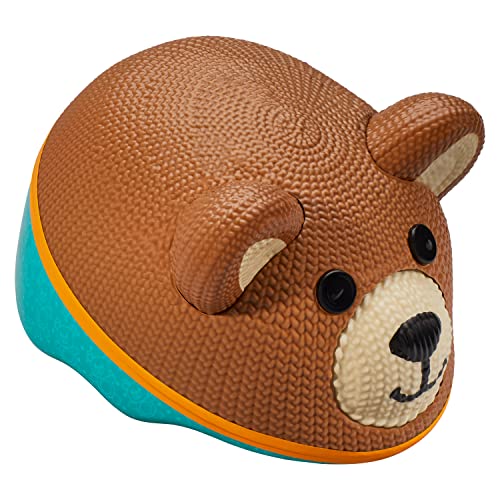
This Schwinn helmet features a whimsical 3D teddy bear design that young riders often find appealing, while maintaining toddler-focused sizing (44–50 cm). The 360-degree dial fit system allows for a customizable, secure fit as your child grows, supported by full-range interior padding. The lightweight construction helps prevent fatigue during longer rides, and the overall design prioritizes a distraction-free fit so children can focus on enjoying their ride. The teddy bear motif adds a playful touch without compromising safety or comfort.
- Adorable 3D teddy bear design
- Head circumference 44–50 cm; 360-degree dial
- Lightweight shell with comfortable interior padding
XJD Toddler Helmet X-Small 18–20 in (Black)

XJD’s X-Small helmet is tailored for ages 1 and older with a precise 18.11″–20.08″ (46–51 cm) fit. It combines a robust injection-molded outer shell with EPS foam inside to manage impact energy effectively. The helmet features 14 vents for ample airflow and a front bug mesh to minimize debris during active play. Soft Velcro padding around the chin area enhances comfort, and the back of the helmet includes an adjustability option to accommodate growth. This model is well-suited for cycling, skating, scootering, and other outdoor activities that toddlers enjoy.
- Shell: Injection-molded outer; EPS inner
- Head size: 18.11″–20.08″ (46–51 cm)
- Ventilation: 14 vents; bug mesh; soft padding
Buying Guide
Key Purchase Considerations
When selecting a helmet for an 18-month-old, prioritize size compatibility, safety certifications, and adjustable fit features. Look for models with a true toddler or infant rating and a sizing system that can grow with your child. Certifications such as CPSC compliance indicate adherence to recognized safety standards for children’s head protection. A lightweight design reduces fatigue, while adequate ventilation prevents overheating. You’ll also want a helmet with removable padding for cleaning and a secure chin strap that sits comfortably under the chin without pinching. Finally, designs that offer multi-sport use can extend the helmet’s usefulness as your child transitions to bikes, scooters, and beyond.
Fit And Sizing guidance
Most 18-month-olds require XS sizing or an adjustable system that spans roughly 18 inches to 21 inches in head circumference. To determine the right size, measure the circumference around the head about one inch above the eyebrows. The helmet should sit level on the head and feel snug but not tight. A dial-fit or back-button adjustment helps fine-tune the fit as the child grows. If you’re between sizes, err on the smaller side to ensure the helmet stays in place during movement and play. Always verify that the straps form a V under the ears and that the chin strap grips securely without causing discomfort.
Ventilation, Padding, And Comfort
Good ventilation reduces heat buildup during long play sessions. Look for models with multiple vents (the five helmets above range from about 11 to 14 vents). Removable, washable inner padding makes maintenance simple and is especially helpful for toddlers who tend to sweat. Soft padding around the chin strap improves comfort and reduces irritation behind the jaw. Some helmets include a built-in visor to shield eyes from sun or glare, which can be a useful feature for outdoor activities in bright conditions.
Durability, Materials, And Safety Features
Most toddler helmets use a PC or polycarbonate outer shell paired with EPS foam for energy absorption. This combination offers strength against impacts while remaining lightweight. Check for a sturdy strap system, a secure buckle, and rounded edges that minimize risk of snagging. Visors are optional but can provide additional sun protection. If the helmet faces rough play or frequent falls, a model with a higher quality shell and reinforced foam will hold up longer under everyday use.
Design, Comfort, And Longevity
Design matters for kids, but safety must come first. Choose a style the child enjoys to encourage consistent wear, but avoid overly decorative elements that could compromise fit or create snags. An adjustable back dial or multi-size system helps the helmet scale as the child grows from 18 months to older toddler stages. For households with multiple children, models with easily adjustable sizing reduce the need for new purchases as growth occurs.
Maintenance And Usage Tips
Regular inspection is essential: check for cracks, dents, or damaged straps after falls. Remove and wash padding as needed to prevent skin irritation. Store helmets in a cool, dry place away from direct sunlight to protect the shell and foam. If the helmet sustains a significant impact, replace it even if there’s no visible damage, because the internal structure could be compromised. Keep the strap and adjusters clean to maintain smooth operation in daily use.
Quick Comparison At A Glance
- Size availability: All five options offer XS or back-dial sizing suitable for 18‑month‑olds, with ranges that accommodate growing heads.
- Ventilation: Most models provide between 11 and 14 vents for airflow; Teddy Bear and Polka Dots designs are lightweight and breathable.
- Adjustment systems: Dial-fit and back-knob adjustments provide secure, scalable fits across a range of head sizes.
- Materials: Common construction includes PC outer shell with EPS foam; some models emphasize additional padding or removable liners for cleaning.
- Design variety: From polished solid colors to playful themes (polka dots, teddy bears, and multi-sport graphics) to appeal to different preferences while maintaining safety standards.
Selecting the right helmet involves balancing fit, protection, and comfort. For an 18-month-old, prioritize models with snug, easily adjustable sizing and a lightweight build to minimize fatigue. The five helmets highlighted here cover a spectrum of safety-focused design and kid-friendly aesthetics, ensuring a secure experience during bike rides, scooter sessions, and playground adventures alike.