Choosing a first bike helmet for a growing toddler requires comfort, protection, and a fit that stays secure as your child learns to ride. The helmets below are designed for 12 months and older, offering adjustable sizing, lightweight construction, and ample ventilation to keep young riders cool. This guide highlights key features and considerations to help parents pick the best option for early childhood biking, skating, or scooter adventures.
| Product | Brand | Age Range | Key Features |
|---|---|---|---|
| GLAF XS Matte Black Helmet | Glaf | 18 Months+ | 2-size adjustable system; PC shell with EPS foam; lightweight and durable |
| GLAF XS Matte Pink Helmet | Glaf | 12 Months+ | 2-size adjustable; PC shell with EPS foam; comfortable for all-day wear |
| Schwinn Purple Polka Dots Helmet | Schwinn | 1-3 Years | 360-degree dial fit; lightweight with multiple vents; sun visor |
| MOUNTALK Galaxy XS Helmet | MOUNTALK | 1-3 Years | XS sizing; adjustable strap; designed for toddlers and small kids |
| Schwinn Teddy Bear Helmet | Schwinn | 1-3 Years | 3D teddy bear design; dial-fit system; comfortable interior padding |
GLAF XS Matte Black Helmet

The GLAF XS Matte Black Helmet offers a two-size adjustment system, making it suitable for children around 18 months and older. Small sizing covers approximately 18.1 to 20.0 inches, while the medium fits 20.4 to 22.0 inches. This capability helps parents extend helmet use as a child grows. The helmet combines a PC shell with EPS foam for impact protection and a soft interior for comfort during rides, skates, or scooters. Light weight reduces strain on young necks, and the sturdy shell provides durable everyday use.
GLAF XS Matte Pink Helmet

The GLAF XS Matte Pink Helmet mirrors the Black variant with a 12-month-plus size path. It features two adjustable sizes (18.1–20.0 inches and 20.4–22.0 inches), a PC shell, and EPS foam for impact absorption. The design supports common toddler activities like skateboarding, cycling, inline skating, scooters, and tricycles. Its dual-size approach helps ensure a secure, comfortable fit as a child grows, while the durable construction withstands daily use by active toddlers and preschoolers.
Schwinn Purple Polka Dots Helmet

This Schwinn helmet combines a playful purple polka-dot design with practical safety features for toddlers aged 1–3. It uses a 360-degree dial fit system and interior padding to ensure a snug, secure feel as your child grows. The helmet is designed for comfort with a lightweight shell and multiple vents to promote airflow. An integrated visor helps shield eyes from the sun during outdoor rides, making it suitable for sunny days on walks, bike paths, or neighborhood adventures.
MOUNTALK Galaxy XS Helmet
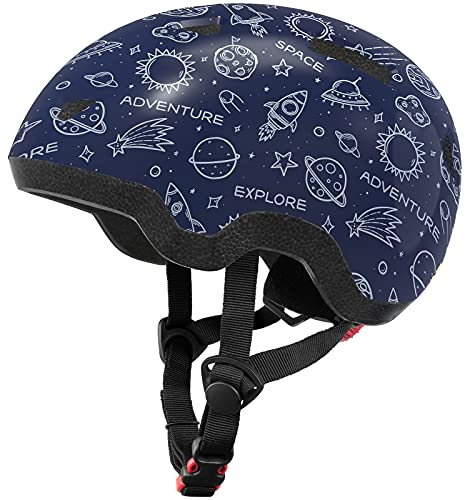
The MOUNTALK Galaxy XS helmet targets very young riders with an XS sizing range suitable for infants and toddlers, roughly 1–3 years old. It emphasizes a secure fit through adjustable straps and a practical design that accommodates small heads. While specific vent counts aren’t detailed here, the helmet’s compact profile is intended to balance protection with comfort for active toddlers, whether on a scooter, tricycle, or bicycle. The design philosophy centers on keeping little explorers protected during everyday play.
Schwinn Teddy Bear Helmet
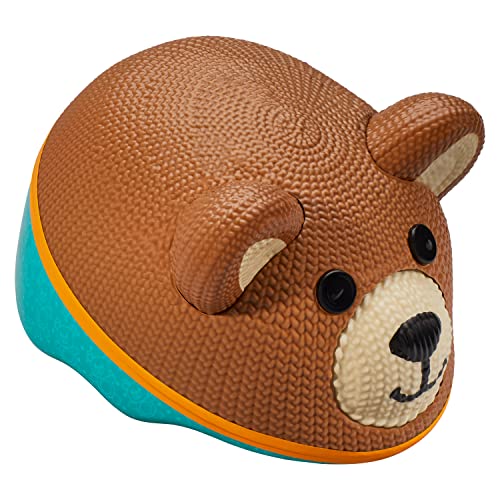
The Schwinn Teddy Bear helmet features a charming 3D teddy bear design that appeals to young children, ages 1–3. It includes a 360-degree dial fit system and interior padding to provide a snug, secure fit as kids grow. The lightweight shell helps keep rides comfortable, while the kid-friendly design encourages safe wearing during bike time or outdoor play. This helmet blends visual appeal with practical sizing and adjustability for early childhood riders.
Buying Guide
Key considerations help ensure you pick a helmet that fits well, protects reliably, and endures daily use by a growing child. Start with fit and sizing: look for adjustable systems such as 360-degree dials or two-size options that cover a range like 18.1–20.0 inches and 20.4–22.0 inches. Accurate head measurements should guide choice, with a snug yet comfortable feel that doesn’t pinch or wobble.
Safety standards and certifications are essential in the United States. Choose helmets that meet CPSC (Consumer Product Safety Commission) bicycle safety requirements, and verify there are no missing straps or damaged padding. Lightweight construction, typically a PC shell with EPS foam, provides protection without placing undue strain on a toddler’s neck during early rides.
Ventilation and comfort influence continued use. Multiple vents promote airflow to reduce sweating on warm days, while interior padding should be soft and easy to replace as kids grow or as hygiene needs arise. Some models include a visor to shield eyes from sun glare, which can help during outdoor play and family bike trips.
Design and style can impact willingness to wear a helmet. Playful shapes, bright colors, and familiar characters (such as teddy bears or polka dots) often encourage consistent use. For 12-month-olds and older, consider models with secure, easy-to-use chin straps and quick-release buckles to simplify on/off as children become more independent.
Practical durability matters for the long term. Look for helmets with impact-absorbent liners, reinforced shells, and replaceable pads. If your child outgrows a helmet quickly, you’ll appreciate a design that offers adjustable sizing or growth-friendly features to extend usable life without sacrificing safety.