Power meters help MTB riders quantify effort, optimize climbs, and tailor interval workouts to real-world terrain. For mountain biking, pedal-based meters often win on versatility, letting riders swap bikes without changing the sensor core, and supporting SPD-style cleats common on trail and gravity setups. The following five models emphasize rugged build quality, accurate watt measurements, and seamless pairing with popular devices and apps. Each option is well-suited for MTB riders who want reliable data on muddy uphill grades, rock gardens, and fast descents alike.
| Product | Brand | Type | Notable Benefit |
|---|---|---|---|
| Favero Assioma PRO MX-1 Pedal Power Meter | RiseUP | Pedal-based (Left Sensor) | SPD compatibility; swap pedal bodies for road/MTB setups |
| Garmin Rally XC100 Pedal Power Meter | Wearable4U | Pedal-based (Left Sensor) | SPD cleats; upgradeable to dual-sensing; Garmin ecosystem ready |
| Magene P715 S Power Meter Pedals | Magene | Pedal-based | ±1% accuracy; long battery life; quick install |
| Favero ASSIOMA PRO MX-1 Pedal Power Meter Bundle | Wearable4U | Pedal-based | Includes power bank; broad compatibility |
| Favero Assioma Uno Pedal Power Meter | Wearable4U | Pedal-based (Left Sensor) | True left power data; easy bike-to-bike transfer |
Favero Assioma PRO MX-1 Pedal Power Meter

Favero Assioma PRO MX-1 is a pedal-based power meter designed for MTB and gravel riding, featuring a left-side power sensor and 100% SPD compatibility. The system uses the provided cleats or Shimano SM-SH51 cleats, and its modular design lets you swap pedal bodies to switch between road and MTB setups while preserving the same power sensor across MX-1 and MX-2 pedal bodies. Installation is straightforward: install and move the meters like a regular pedal, with Bluetooth and ANT+ pairing to bike computers, GPS units, and smartphones. Automatic Temperature Compensation (ATC) maintains accurate watt readings from -10°C to 55°C, ensuring consistent data across a wide range of trail environments.
In practice, the Assioma PRO MX-1 emphasizes reliability in variable MTB conditions and quick bike-to-bike transfers. The left-sensor design simplifies calibration, while compatibility with common cleats helps riders keep their existing shoe setup. The pedal’s electronics are integrated into a compact spindle, reducing snag points on rough terrain and enabling predictable power data whether you’re climbing switchbacks or sprinting on fire roads.
Garmin Rally XC100 Pedal Power Meter

The Garmin Rally XC100 is a single-sensing power meter pedal that measures power and cadence on the left side, compatible with Shimano SPD cleats for MTB use. The single-sensing approach provides reliable watt data while keeping weight and complexity low, and it’s designed to transfer easily between bikes, which is ideal for riders who train on multiple machines or travel frequently. The XC100 is positioned to be durable and rugged, built to withstand the rigors of muddy trails and high-intensity sessions on varied terrain.
With seamless Garmin ecosystem integration, XC100 data can be shared across Garmin watches, Edge cycling computers, and compatible apps via Bluetooth and ANT+. It supports software updates and offers a path to upgrade to dual-sensing in compatible configurations, enabling richer analytics for advanced riders who want to quantify left/right balance alongside total power.
Magene P715 S Power Meter Pedals

Magene P715 S Power Meter Pedals deliver ±1% power accuracy, aided by advanced strain gauges and temperature compensation. They provide a long battery life of up to 120 hours and promise a quick installation, described as a one-minute setup to get you riding with accurate watts fast. The pedals support ANT+ and Bluetooth, ensuring compatibility with most bike computers and training apps, making them a practical choice for riders who want solid data with minimal setup time on MTB adventures or long endurance sessions.
In addition to precision and ease of use, Magene emphasizes reliability and compatibility with a broad range of bikes. The P715 S pedals are designed for riders who want dependable performance across training rides, gravel loops, and MTB climbs, with data that can be easily shared across devices and app ecosystems to support structured workouts and progress tracking.
Favero ASSIOMA PRO MX-1 Pedal Power Meter Bundle

The Favero Assioma PRO MX-1 bundle includes essential components for a ready-to-roll MTB power meter setup, featuring a left pedal with the power sensor and a right pedal without the sensor, along with MTB-compatible SPD cleats, washers, a charging connector, and a micro USB charging cable. The bundle also includes a power bank for on-the-go charging and universal compatibility via Bluetooth and ANT+. This setup allows riders to install and transfer the power meter between bikes as easily as a normal pedal, delivering consistent data across all sessions.
In the box, riders receive the hardware needed to maintain, calibrate, and transfer the sensor between bikes. The MX-1 design supports MTB use with SPD shoes, making it a flexible solution for riders who alternate between trail and cross-country setups, seeking reliable power metrics for climbs, sprints, and sustained efforts.
Favero Assioma Uno Pedal Power Meter
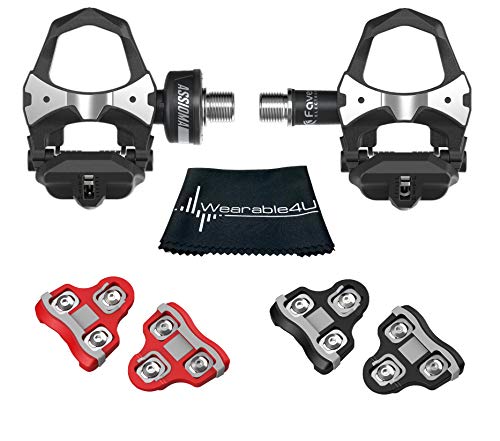
The Favero Assioma Uno Pedal Power Meter relies on a sensor in the left pedal to deliver true left-power data, paired with an easy installation that mirrors a standard pedal swap. This setup makes it straightforward to move the meter between bikes and start collecting watts without complex calibration. The UNO bundle includes two types of cleats and a cleaning cloth, offering flexibility for riders who want to tailor float and cleat choice to their riding style while maintaining accurate power readings.
As a budget-friendly, pedal-based option, the UNO emphasizes simplicity and reliability for MTB riders who want a single-sensing solution that provides actionable data, particularly for endurance rides and technique-focused workouts. The left-side data can still be highly informative when paired with cadence and ride analytics in compatible apps and devices.
Buying Guide: Key Purchase Considerations for MTB Power Meters
- Pedal-based vs crankset-based meters: Pedal meters (like the Assioma and Magene pedals) offer easy bike-to-bike transfer and are ideal for riders who switch frames or use multiple bikes. Crankset meters provide a different data profile and may suit riders already upgrading cranks, but aren’t as portable between bikes.
- Single-sensing vs dual-sensing: Single-sensing pedals measure power on one leg only, which provides a good baseline and is often lighter and cheaper. Dual-sensing meters capture left/right balance and total power, offering deeper insights for advanced training and injury prevention.
- Cleat compatibility and MTB suitability: For MTB use, ensure SPD or SPD-compatible cleats are supported, as these are standard on mountain bikes. Some models also support SHIMANO SPD-SL (road) cleats, which may be less common on MTB rigs but useful for mixed setups.
- Installation and transfer: Look for meters designed to install like regular pedals and to transfer between bikes without specialized tools. Quick swapping reduces downtime between bikes and bikes you ride on different days.
- Data metrics and ecosystem: Assess whether you want just power and cadence or a broader data set (left/right balance, pedal smoothness, torque metrics). Consider compatibility with Garmin, Wahoo, Strava, and other apps, plus data transfer via Bluetooth and ANT+.
- Battery life and durability: MTB riding can be harsh, with mud and water exposure. Battery life (hours) and IP-rating or ruggedness influence reliability on long trail rides and seasonal weather.
- Maintenance and calibration: Confirm how easy it is to calibrate, clean, and service the pedal sensors, particularly after muddy rides or rain-soaked days.
- Price-to-value balance: Pedal-based meters vary in price; weigh sensor accuracy, durability, transferability, and included accessories (cleats, charging cables, power banks) when evaluating overall value.