Choosing a balance bike for a two-year-old focuses on safety, adaptability, and ease of use. The right glider-style bike helps kids learn balance, steering, and confidence without pedals. Below are five top options from trusted brands that suit growing children, emphasizing adjustable seats and handlebars, lightweight frames, and durable tires. The quick-reference table at the top offers a fast comparison to help you decide which model fits your child best, before diving into deeper product details.
| Product | Brand | Key Feature |
|---|---|---|
| Lilian&Gema 12” Balance Bike | Lilian&Gema | Adjustable height, luminous wheel, sturdy frame |
| JOYSTAR 10 Inch Balance Bike | JOYSTAR | Pedal-free design, lightweight, tool-free adjustment |
| KRIDDO 12 Inch Toddler Balance Bike | KRIDDO | Customize plate, adjustable seat/handlebar |
| Banana Bike LT Balance Bike | banana bike | Lightweight aluminium frame, adjustable |
| KRIDDO 2-in-1 Tricycle | KRIDDO | Two modes, detachable pedals, stowable training wheels |
Lilian&Gema 12” Balance Bike

The Lilian&Gema balance bike is designed around a sturdy carbon steel frame that withstands active play. It features an adjustable seat and handlebar, enabling you to tailor the fit as your child grows from toddlers toward preschool ages. A standout feature is the luminous rear wheel that lights up with every rotation, adding excitement without requiring batteries. The bike uses a non-slip TPU grip and a softly cushioned PU saddle for comfort and safety during longer sessions. Puncture-resistant tires offer a smooth ride on grass, pavement, or indoor floors, making this a versatile choice for varied surfaces.
For parents seeking growth-friendly design, this model offers a longer useful life due to height adjustability. The 12-inch wheel size suits many two-year-olds, while the rugged frame supports continued use up to around five years old, provided the rider’s height fits the setup. The combination of safety-conscious components and engaging lighting can encourage daily practice without sacrificing stability. Overall, the Lilian&Gema balance bike balances fun and function, making it a reliable first glider bike for curious toddlers.
JOYSTAR 10 Inch Balance Bike
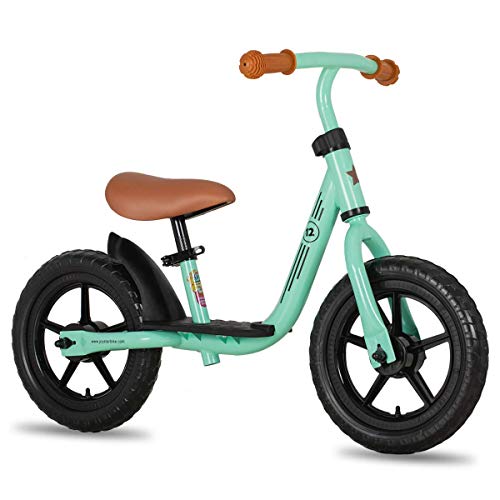
The JOYSTAR 10 Inch Balance Bike provides a pedal-free introduction to riding, helping toddlers grasp balance and steering early. Its lightweight design, with an approximate weight around 2.75 kg, makes it easy for little riders to maneuver. Height adjustment for the seat and handlebars is straightforward, facilitating a growing child as they move from 18 months up to around age four. A quick-release seat clamp supports tool-free adjustments, enabling quick transitions between children or growth spurts. The bike’s low step-through frame adds to ease of mounting and dismounting, which can boost confidence on the first rides.
Safety and simplicity converge in this model. The lightweight frame reduces fatigue for both child and caregiver, while the sturdy construction supports safe riding on different terrains like sidewalks or dry lawns. Because there are no pedals initially, kids focus on balance first—a foundation that eases later transitions to a pedal bicycle. The JOYSTAR balance bike is a practical, low-stress option for families seeking a dependable starter bike that scales well with a child’s development.
KRIDDO 12 Inch Toddler Balance Bike

This KRIDDO model emphasizes a blend of balance-focused design with personality, featuring a 12-inch wheel size that suits toddlers transitioning from assisted rides to independent gliding. A removable, customizable plate comes with three sticker sets, letting kids personalize their bike and express creativity while learning balance. The frame is built to be sturdy enough to support kids as they grow, with a wide, comfortable saddle and rubber grips to enhance control. The design supports early confidence-building activities outside and on smooth indoor surfaces, helping little riders gain momentum toward independent biking.
The bike’s weight-supporting capacity reaches up to 110 pounds, underscoring durability for a broad range of young riders. While not all adjustable components are described in the listing, the balance-focused geometry and the option to customize help maintain continued interest as a child approaches the upper end of the target age. This KRIDDO model blends creativity with core balance training in a reliable, beginner-friendly package.
Banana Bike LT Balance Bike

The Banana Bike LT Balance Bike prioritizes a lightweight aluminium frame with alloy components, making it easy for small riders to handle and control. Its low center of gravity supports stability, helping kids master balance more quickly. The bike is designed to grow with the child through an adjustable seat and handlebar setup, accommodating growing torsos and leg lengths. EVA tires provide a cushioned, durable ride with reduced punctures, suitable for indoor floors and outdoor paths alike. A 22-inch wheelbase positions the rider for confident gliding while maintaining safe clearance for learners.
For families seeking a straightforward, durable glider that emphasizes balance practice, the Banana Bike LT offers a well-rounded option. The combination of a lightweight frame, adjustable components, and low-maintenance tires makes it a practical choice for everyday use, park visits, and quick neighborhood rides. It’s particularly appealing for parents who want a simple, reliable starting point that grows with their child’s abilities over time.
KRIDDO 2-in-1 Tricycle

The KRIDDO 2-in-1 Tricycle combines a stable tricycle mode with a switchable balance-bike setup, offering flexibility as your child progresses. In trike mode, the design emphasizes stability and safety, helping toddlers develop steering skills and confidence. When ready, parents can switch to balance-bike mode by detaching or storing pedals in a dedicated slot under the rear seat, providing a smooth transition without buying a second bike. The stowable training wheels add an extra layer of support, meeting needs during early rides and then being removed as balance improves. This multi-mode option can extend the bike’s usefulness longer than single-mode designs.
Durability and practical design features stand out in this model: a robust frame and comfortable seating support extended ride sessions. The built-in pedal storage minimizes misplacement of components, an often-overlooked detail that helps families stay organized. For households seeking a versatile, growth-oriented option, the KRIDDO 2-in-1 Tricycle offers a bridge between early walking-balance practice and independent biking, making it a compelling choice for active toddlers who are still exploring their balance capabilities.
Buying Guide
The best glider bike for a two-year-old balances safety, growth potential, and ease of use. When evaluating options, consider how the bike will fit as your child grows from toddler to preschooler. Prioritize models with adjustable seat height and handlebar position to ensure a proper, comfortable fit as leg length and reach change. Look for low-step frames and wide, grippy handlebars to support stable, confident steering, especially on uneven surfaces.
Wheel size matters for balance progression. Smaller wheels (around 10–12 inches) offer quicker, more stable starts, while larger wheels can better accommodate taller children and longer limbs. Pedal-free bikes are excellent for early balance training; however, some families may prefer a model with pedal storage or a two-in-one design to transition between stages without purchasing multiple bikes. Lightweight frames reduce fatigue for both child and caregiver during practice sessions and park outings.
- Safety and durability: Opt for sturdy frames (carbon steel or aluminium), non-slip grips, and comfortable saddles. Ensure tires are puncture-resistant or easy to inflate for reliability across different surfaces.
- Adjustability: Favor bikes with adjustable seat height and handlebar height so the bike can grow with your child. Quick-release clamps simplify changes between riders or growth spurts.
- Balance-first vs two-in-one options: Pedal-free設 balance bikes promote core balance skills faster, while two-in-one tricycles offer a gentle introduction to steering with the option to add pedals later.
- Weight and portability: Lighter bikes are easier for a child to maneuver and for parents to transport between locations. Consider storage space at home or in a car trunk.
- Maintenance and accessories: Look for easily replaceable components and optional customization plates or stickers that encourage ownership and ongoing interest in riding.
In practice, the best picks combine adjustable sizing, durable construction, and kid-friendly features like easy mounting, stable frames, and engaging elements such as lights or customizable plates. For families seeking ease of use, a pedal-free design with a light frame often provides a smoother first riding experience. If a child shows rapid growth or interest in personal expression, models with customization plates or multi-mode configurations can offer extended value. Ultimately, observe your child’s comfort and balance as you test different bikes, ensuring they enjoy the learning process while staying safe.