Best 3 in 1 bikes blend balance training with pedal learning, helping children progress from toddler riders to confident little cyclists. This guide features five top picks that align with the 3 in 1 concept: a balance bike that converts into a pedal bike and a tricycle, adjustable seats, removable pedals, and sturdy frames built to handle outdoor adventures. Each model emphasizes safety, durability, and ease of use, so families can choose a machine that grows with a child’s abilities and fits compact storage needs. The quick overview table below aids fast comparison.
| Product | Brand | Age Range | Key Features |
|---|---|---|---|
| YGJT 3 in 1 Tricycle (Green) | YGJT | 2-5 years | Three modes, foldable, adjustable seat, detachable pedal, up to 55 lb |
| XPIY Tricycle 3 in 1 (Blue) | XPIY | 2-5 years | Balance bike mode, pedal or pedal-less tricycle, adjustable seat, foldable |
| Balance Bike 3 in 1 (Bikeboy) | bikeboy | 2-6 years | Fast switch between modes, pedal option, sturdy carbon steel |
| YGJT 3 in 1 Lighting Tricycle (Blue) | YGJT | 2-5 years | Colorful lighting wheel, foldable, adjustable seat, removable pedal |
| bikeboy Balance Bike 3 in 1 (12-14 In) | bikeboy | 2-6 years | Dual use, pedals included, shock absorbers, safe and adjustable |
YGJT 3 in 1 Tricycle Green
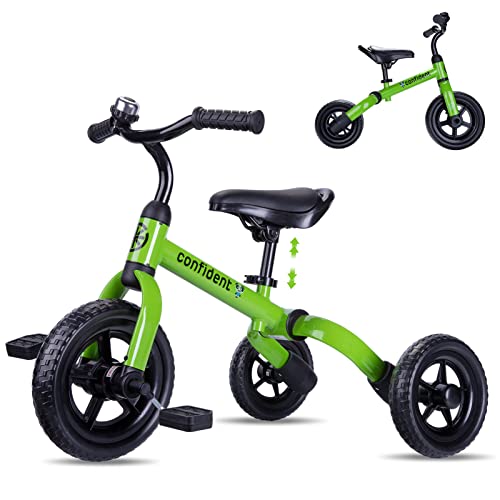
The YGJT 3 in 1 Tricycle in green is designed to grow with a child. It supports a pedal-less three-wheel training mode for toddlers aged 24 to 32 months and transitions to a two-wheel balance bike or a pedal-equipped tricycle for ages 2 to 5. An adjustable seat range from 15.7 to 18.5 inches accommodates height growth, while a maximum load of 55 pounds ensures durability as kids age. The foldable frame aids outdoor play and storage, and a non-slip handlebar with detachable pedals adds safety and flexibility for beginners. The carbon steel frame and EVA wheels enhance stability on varied surfaces.
Parents should note that this model emphasizes progressive riding skills. In early use, the pedal-less mode helps with balance and coordination before pedaling is introduced. When transitioning to a pedal mode, it’s beneficial to supervise and guide steering and braking to reinforce safe riding habits. The compact fold and lightweight components also make it easier to transport on family trips. Overall, this tricycle offers a steady path from first scoots to more confident rides.
XPIY Tricycle 3 in 1 (Blue)
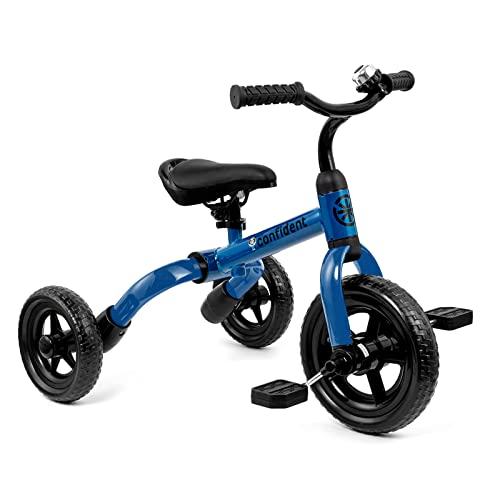
The XPIY 3 in 1 tricycle for toddlers blends balance riding with pedal capability and pedal-less modes, making it adaptable from ages 2 through 5. Seat height adjusts from 15.7 to 18.5 inches, letting the bike grow with the child. Built with durable carbon steel and puncture-resistant EVA wheels, it handles diverse outdoor terrain while reducing maintenance. The tricycle’s foldable design enables easy storage and transport. Non-slip handle grips contribute to secure steering, and the detachable pedal feature supports early balance practice before pedaling is introduced.
For parents, a key benefit is a single frame that supports multiple stages of learning—balance, steering, and pedal power—without needing a separate toy. The design emphasizes stability and simple transitions between modes, which can reduce hesitation during early riding. As with any growing toy, ensure the child’s feet reach the pedals safely and supervise use on uneven surfaces to minimize tip-overs.
bikeboy Balance Bike 3 in 1 (12-14 In)

The bikeboy Balance Bike 3 in 1 model supports a quick switch between toddler balance bike and a traditional kids bicycle. Available in a 12-14 inch size range, it’s designed for children from about 2 to 6 years old. The frame uses carbon steel for strength, with rubber puncture-proof tires and a 360-degree steering capability. It includes a soft seat and adjustable height, plus a hand brake for older kids who are learning braking skills. The unit is CPSIA, ASTM safety certified, underscoring a safety-conscious build for growing riders.
This model emphasizes learning progression, enabling a child to focus on balance first, then pedal power, with the option to practice steering and braking in a controlled sequence. The included pedals and optional training accessories help children build confidence as motor skills refine. Because the bike is built for multiple ages, parents should check weight limits and adjust components as the child grows to maintain safe handling and optimum balance.
YGJT 3 in 1 Lighting Tricycle Blue

This YGJT Lighting Tricycle combines playful design with practical growth features. Suited for ages 2 to 5, the tricycle offers a pedal-less three-wheel training mode for younger toddlers and a two-wheel balance bike/three-wheel pedal mode for older children. The seat height adjusts from 15.7 to 18.5 inches, ensuring comfort as kids grow taller. A foldable framework and non-slip handlebar contribute to user-friendly handling, while the pedal is detachable to simplify initial balance exercises. The colorfully lit rear wheel adds an engaging element during evening rides, encouraging longer outdoor play.
From a safety perspective, the lighting feature is incidental to normal use and does not require batteries, relying on wheel motion to activate glow. Parents should supervise at all times and ensure a steady grip on the handlebars during transitions between modes. This model offers a visually appealing option for families seeking a durable, space-conscious learner bike with multiple riding configurations.
Exercise Bike 3 in 1 (BODIOO) Folding Stationary Bike

The BODIOO 3 in 1 folding stationary bike is designed for adults and home gym workouts rather than a child’s bike, but its 3 in 1 framing demonstrates the versatility of multi-use equipment. It features eight levels of magnetic resistance, an LCD monitor to track time, speed, distance, calories, and heart rate, plus a device holder for entertainment during workouts. The foldable design and 265 lb weight capacity make it practical for home use. While not a child’s toy, this model illustrates how 3 in 1 concepts extend across fitness gear and supports understanding of multi-purpose design in a broader sense.
Buying Guide
Choosing a 3 in 1 bike for a child involves matching features to developmental milestones and practical needs. The following considerations help families select a model that balances growth with safety and value.
- Growth and adjustability: Look for adjustable seats and handlebars that accommodate height changes through toddlerhood and early schooling years. Longer seat rails and adjustable pedals support longer use.
- Mode transitions: A smooth and reliable switch between balance, pedal-less, and pedal modes reduces frustration and builds confidence. Verify that components allow quick, intuitive changes without tools.
- Weight capacity and frame material: A strong frame (often carbon steel or similar alloys) supports more aggressive rides and longer use. Check the weight limit and ensure it aligns with the child’s growth expectations.
- Wheels and tires: EVA or puncture-resistant tires minimize maintenance and flats. Consider whether wheels perform well on sidewalks, driveways, and light trails, and whether they are suitable for indoor use on smoother surfaces.
- Safety features: Non-slip handlebars, secure seat clamps, and reliable brakes are essential. CPFS or ASTM-certified products provide an added level of safety assurance for parents.
- Foldability and storage: If space is limited, prioritize a model with a compact fold and lightweight design. A foldable bike is easier to transport in cars and to store in closets or small apartments.
- Maintenance and replacement parts: Check availability of replacement pedals, tires, and seats. A widely supported model with accessible spare parts reduces ownership friction.
- Weight and portability: Lighter bikes are easier for caregivers to carry during travel or when transporting to parks. Balance between lightness and structural integrity is key.
- Price-to-value balance: Compare features across models to determine which offers the best long-term value. A slightly higher upfront cost may save money later on replacements and upgrades.
- Intended use: Outdoor rough terrain and outdoor storage considerations influence material choices. For frequent park use, a durable frame and more robust wheels are beneficial.
Comparisons And Quick Tips
When weighing five options, note how each model handles the core stages of riding development. Models with adjustable seat heights and detachable pedals ease transitions between stages. Light-weight foldable designs save space but must retain enough rigidity to feel secure as children ride faster. Balance-bike-first models typically foster better brain–muscle coordination, while pedal-enabled modes help children practice pedaling sooner. If a child is closer to the 2-year mark, a pedal-less/training mode may yield quicker confidence. Lastly, confirm that all components align with safety standards and weight requirements before purchase.
In summary, the top five picks surveyed here emphasize adjustable configurations, durable constructions, and easy transitions between learning modes. Each product supports growth from early scooting and balancing to independent pedaled riding, which can shorten the learning curve and reduce parental coaching time. By focusing on the child’s age, height, and motivation, families can select a model that delivers reliable progress, durable use, and compact storage for busy American households.